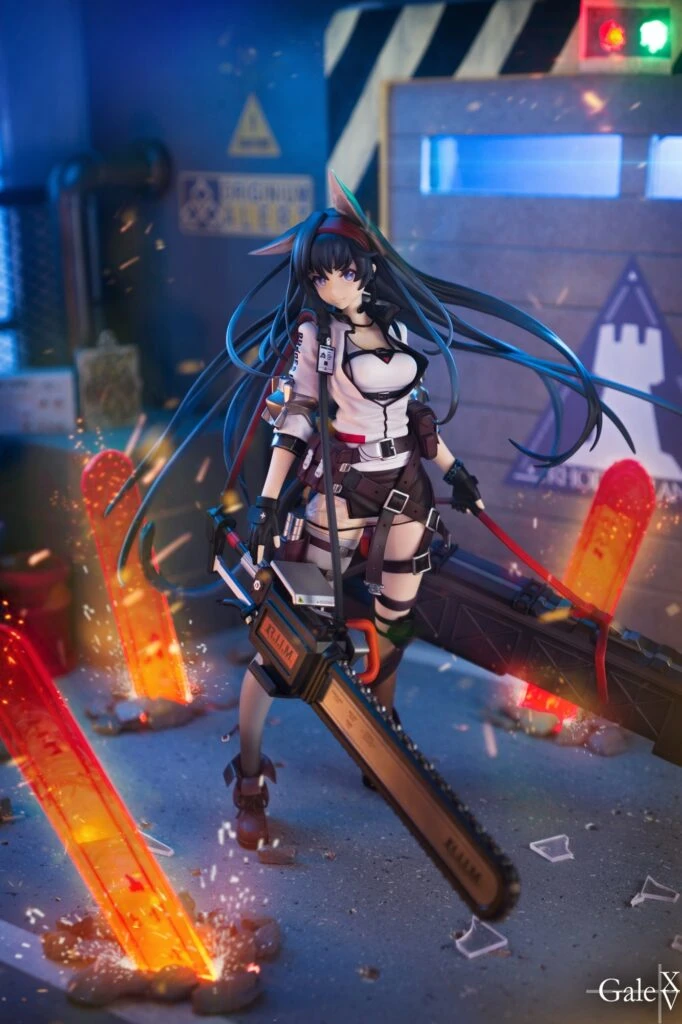
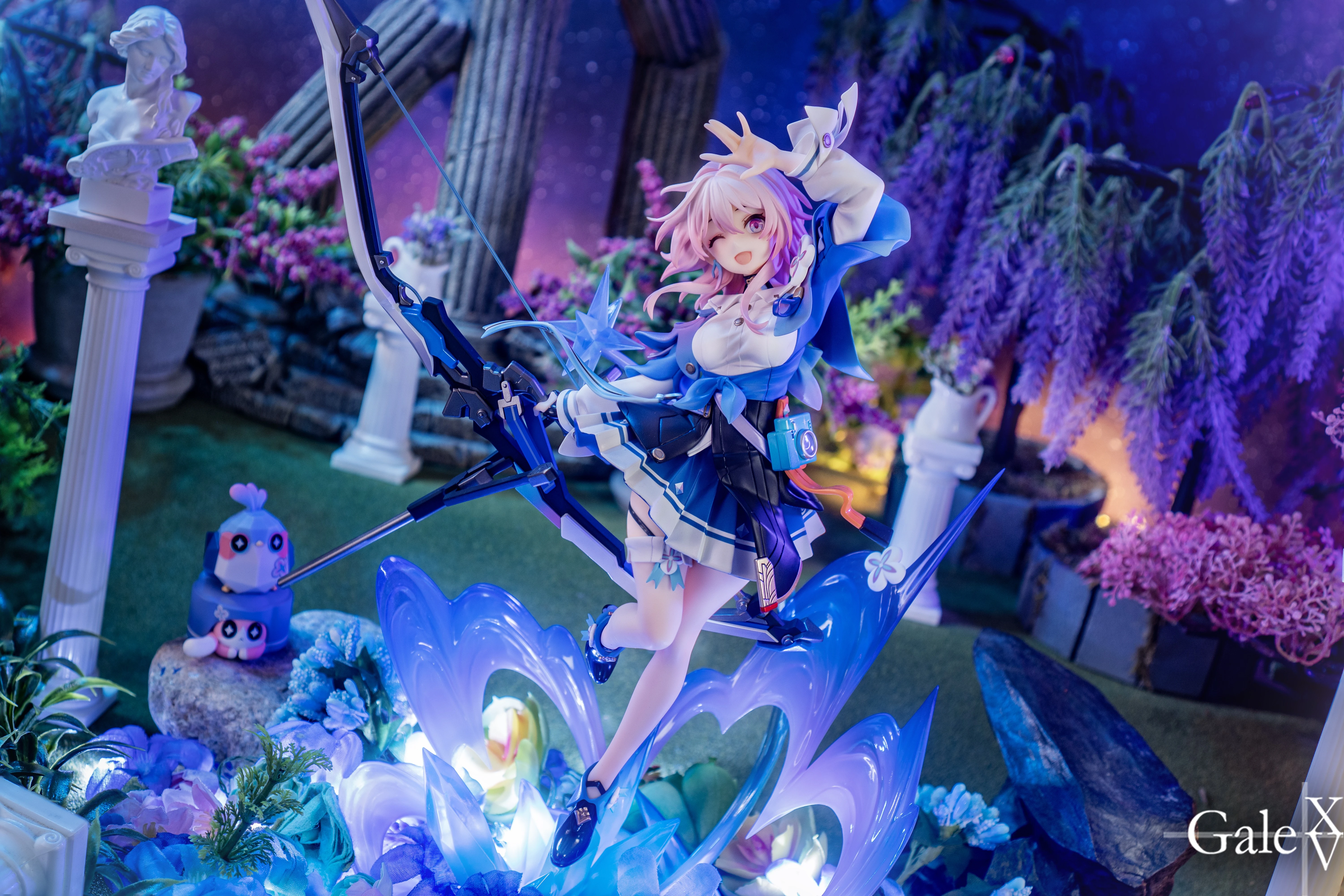
A great number of otaku are familiar with the conflict between wanting an anime figurine and the need to spend money responsibly. At times the choice is stark: “Can I afford to eat?” versus “The newest Magia Baiser figure looks fantastic—who’s selling it and when?” Humans are drawn to what we see; if something catches our eye, we desire it. Anime producers recognize this tendency, which is why they invest considerable effort into showcasing their merchandise through photographs. For many enthusiasts, however, photographing Nendoroids and other figures quickly becomes an independent pastime. In this niche, few creators arrive at the level of Gale XV’s skill.

Born in Toronto, Gale XV is a name that frequently appears when enthusiasts explore the world of anime figurine and Nendoroid photography. The team at Anime Corner was able to speak with them about their origins, the equipment they employ, and the methods they use.

Some portions of this interview were trimmed and corrected for conciseness and grammatical accuracy.
Q: What initially sparked your interest in photographing Nendoroids and anime figures?
A: My involvement began in 2015 while I was assembling and modifying Gundam models. I always wanted the completed kits to appear lively in photographs, which led me to discover figure photography that included full backgrounds on DeviantArt. That discovery ignited my curiosity, and I eventually became fully engaged in the hobby.
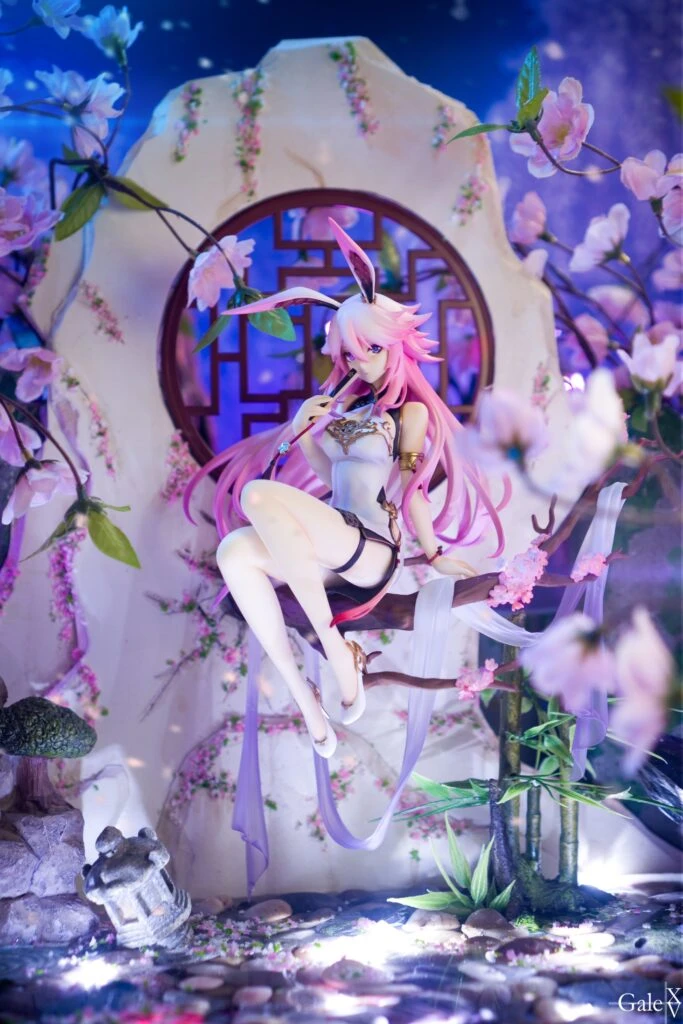
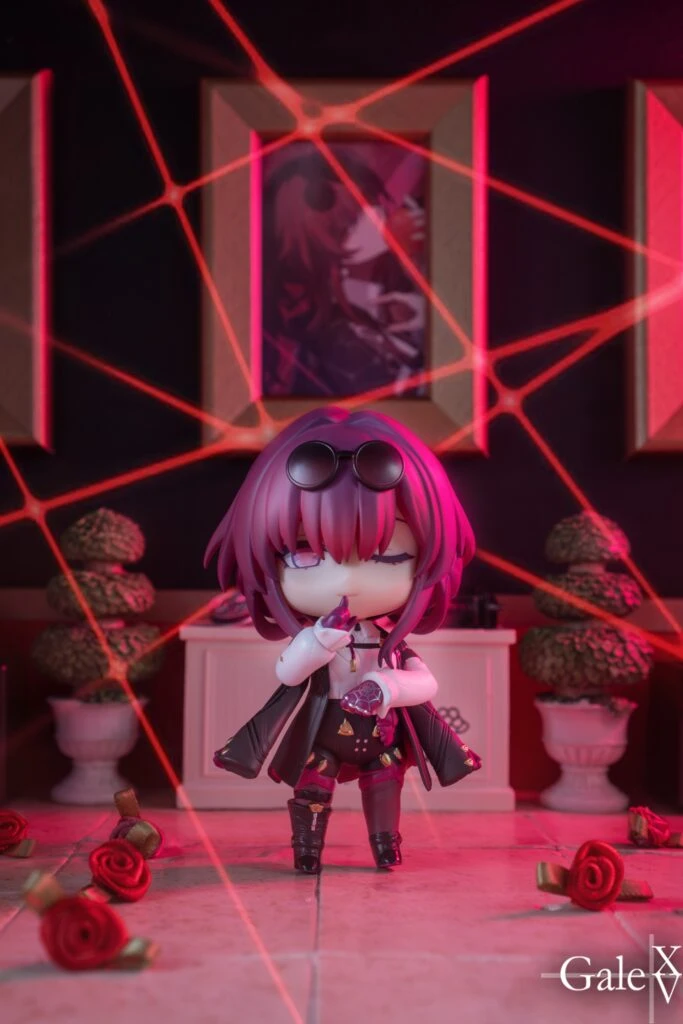
Q: Could you provide an overview of the equipment you use?
A: When I first entered this field, my primary camera was a Nikon D3100.
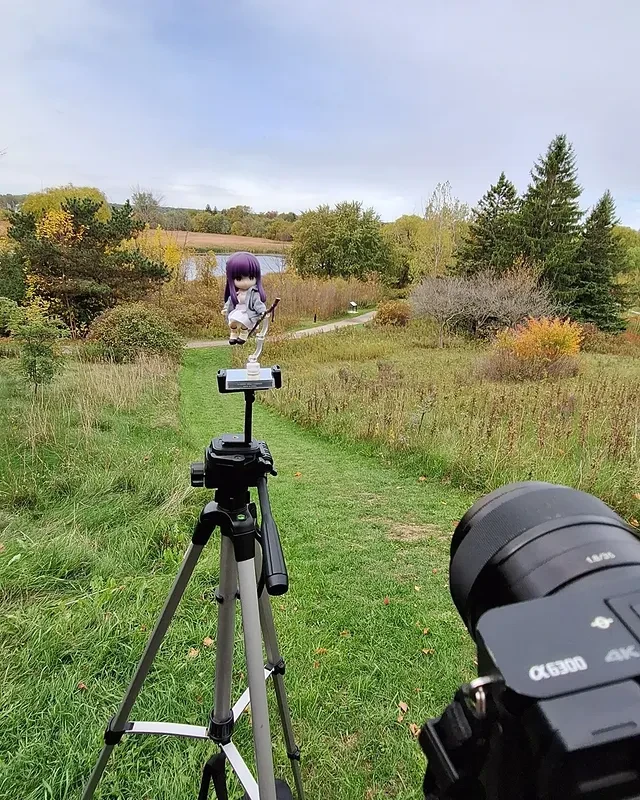
Presently, I rely on a Sony A6300, which has been my principal camera since 2019. Depending on the scenario of a shoot, I employ various lighting solutions, including desk lamps covered with tissue paper to achieve a soft glow.
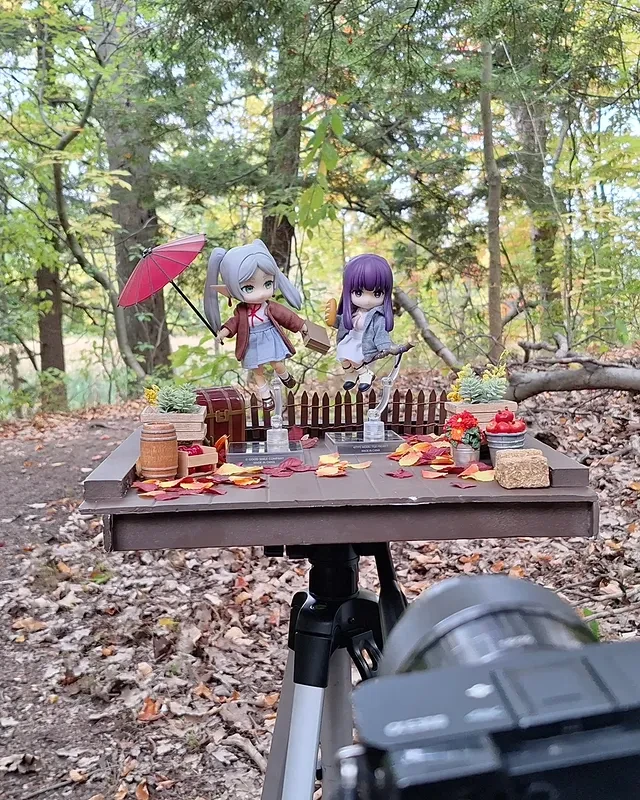
In addition, I possess a set of soft lights and a comprehensive lighting kit. My toolkit also contains a reflector, a light frame that functions as a reflective surface, and a specialized flash designed for hard‑to‑reach areas. I maintain two tripods: one for my main camera and another for portable platforms used during outdoor sessions.
Q: Would you suggest the same gear to someone just starting out?
A: Not necessarily. I advise beginners to start with whatever camera they have on hand, whether it’s a smartphone or a used entry‑level model—exactly what I did when I first began. This allows them to become comfortable with the basics of photography.
When it comes to lighting, simple desk lamps work well; even inexpensive flashlights with adjustable brightness can be useful. Initially, equipment doesn’t need to be costly; as finances allow, one can upgrade. Nevertheless, I always stress the importance of a solid tripod.
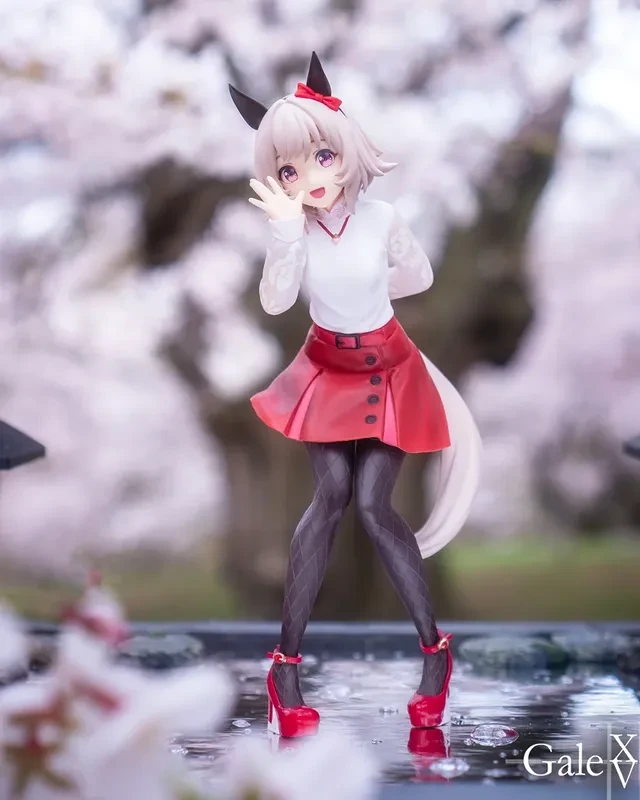
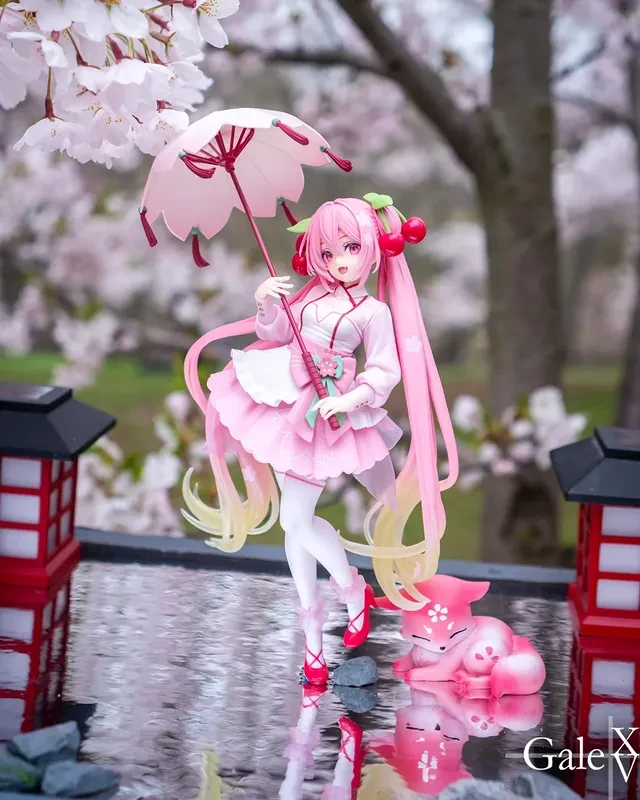
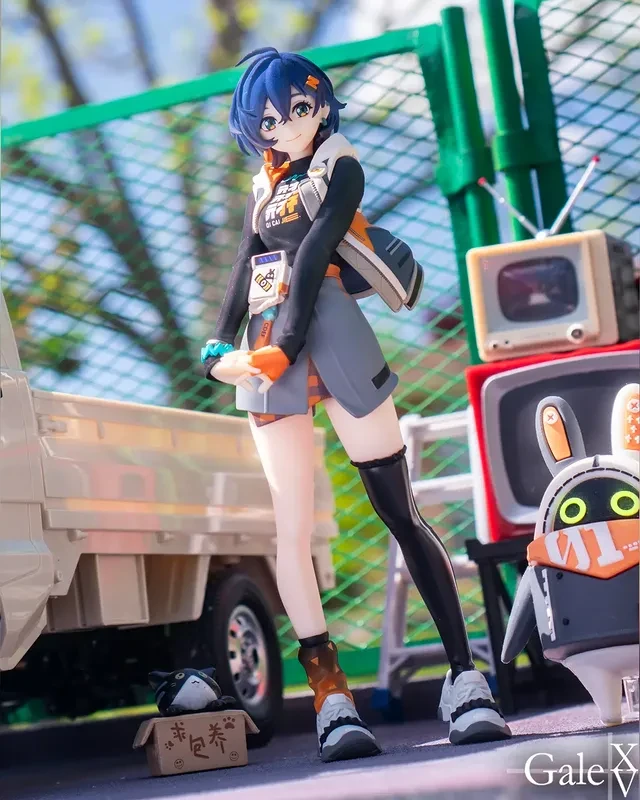
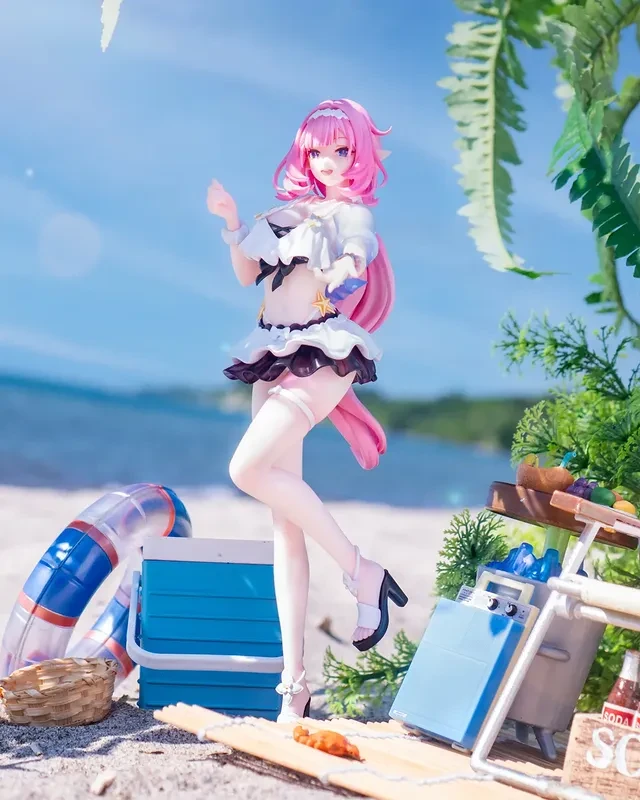
Q: Many assume that photographing a figure is simple, but it’s actually more complex. Since anime figures and Nendoroids have limited facial expressions, a photographer can’t rely on a subject’s variability like with a person. How do you consistently capture a character’s essence or mood?
A: That’s an insightful query.
A: My approach begins with thorough character research. I typically browse multiple illustrations by different artists to gather inspiration and study their lighting techniques and composition. Understanding a character well makes it easier to sense their vibe, creating a feeling of connection that guides the atmosphere I aim to portray in the final photo.
In practice, I adjust lighting, composition, and apply post‑processing edits to complement the figure’s facial expression and pose.
Music also plays a role in my workflow. While setting up a shoot, I sometimes play tracks related to the character, the series, or the scene being depicted. For the Mayano Top Gun project, I listened to the “Danger Zone” theme from the film and “Tokimeki Scramble,” which helped me capture the intended mood.
Q: Your images often include props. Do you create these items yourself or purchase them?
A: My prop collection includes both items I craft and ones I acquire ready‑made. For the handmade aspects, I construct dioramas for the figurines and also create larger elements like furniture, vehicles, or buildings. Previously, I’ve repurposed and repainted existing props, such as Barbie‑style furniture and accessories. In essence, anything I can get my hands on can be transformed into something new—for example, I once turned a water bottle into the Astral Express from Honkai: Star Rail.
The pre‑made props I use are mostly miniatures I’ve gathered. They are typically from 1/12 scale or smaller figures, including Nendoroids, and I favor collections from Re‑Ment and Ashland. Additionally, I incorporate garden and aquarium decorations into my setups.
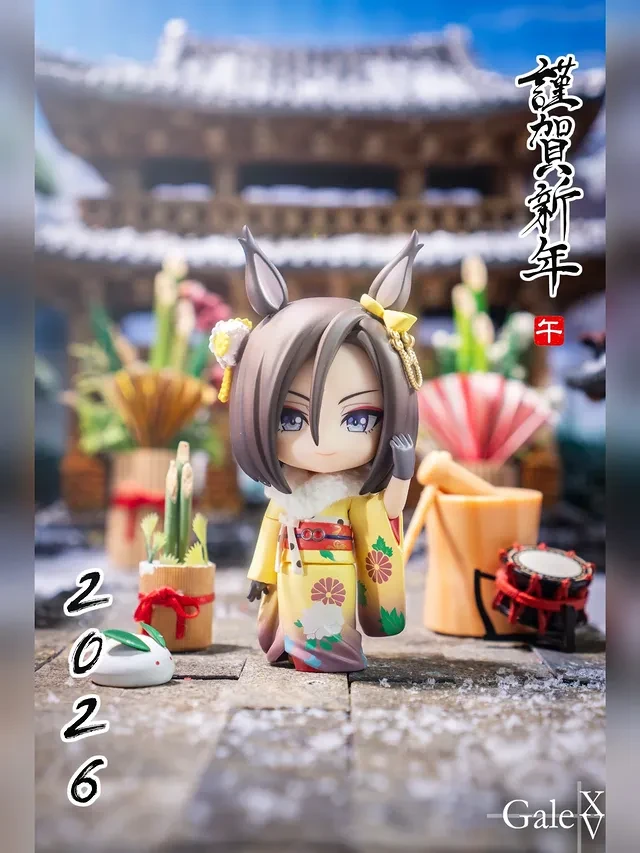
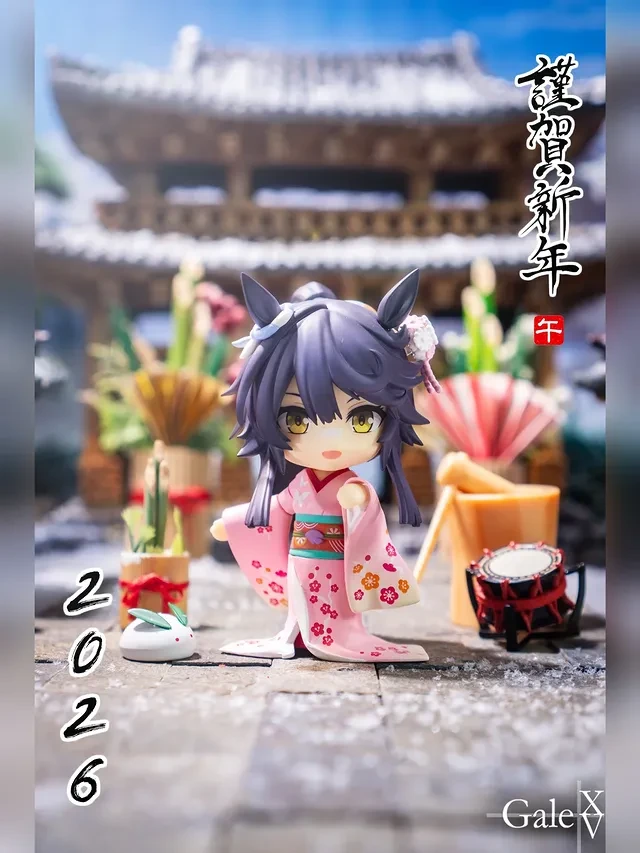
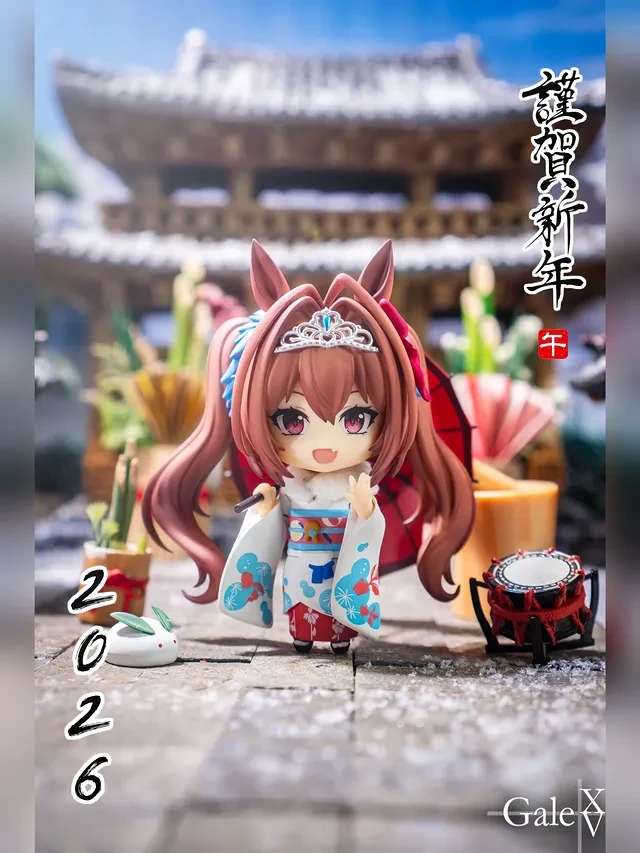
Q: Does photographing small figurines pose distinct challenges compared to other photography disciplines?
A: The primary difficulty I encounter is ensuring the figurines remain upright. Nendoroids are particularly troublesome because they tend to be heavier and possess larger heads, which can affect stability. Another persistent issue is the limited space available for lighting arrangements, leading to considerable trial and error when positioning lights within the dioramas.
Creating Nendoroid photographs is a time‑intensive process, given the numerous poses and scenes that must be captured. Occasionally, a single shoot can consume up to six hours to complete.
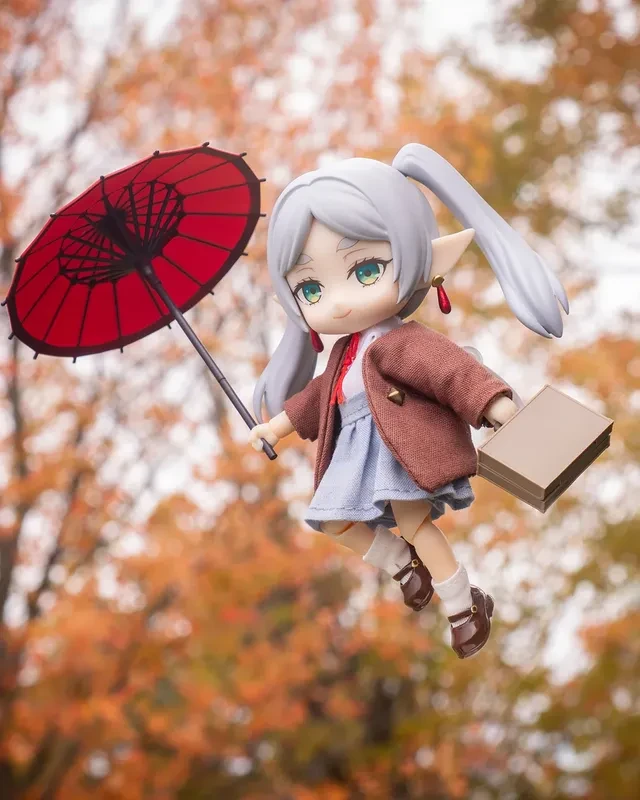
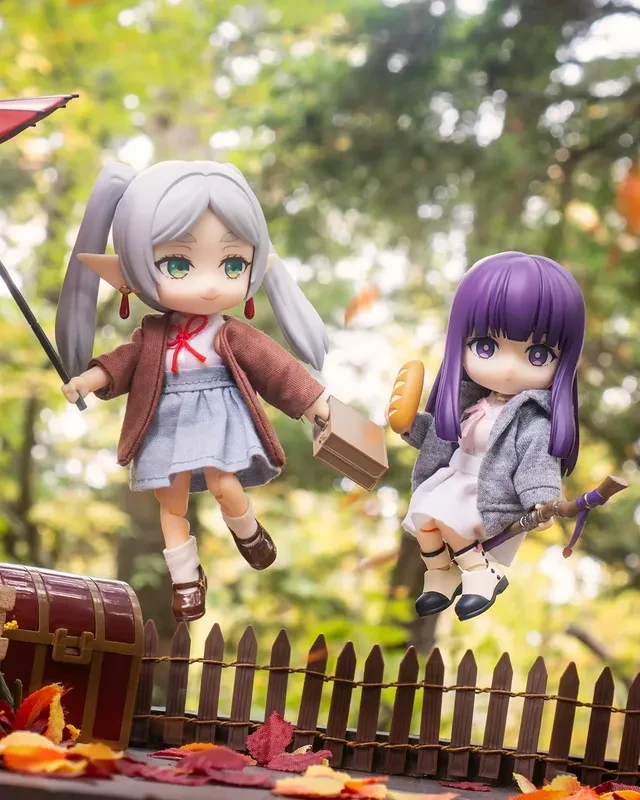
Q: With experience collaborating with manufacturers and promoting many figures, your background and lighting choices are highly regarded. How do you determine which background and lighting combination is most effective?
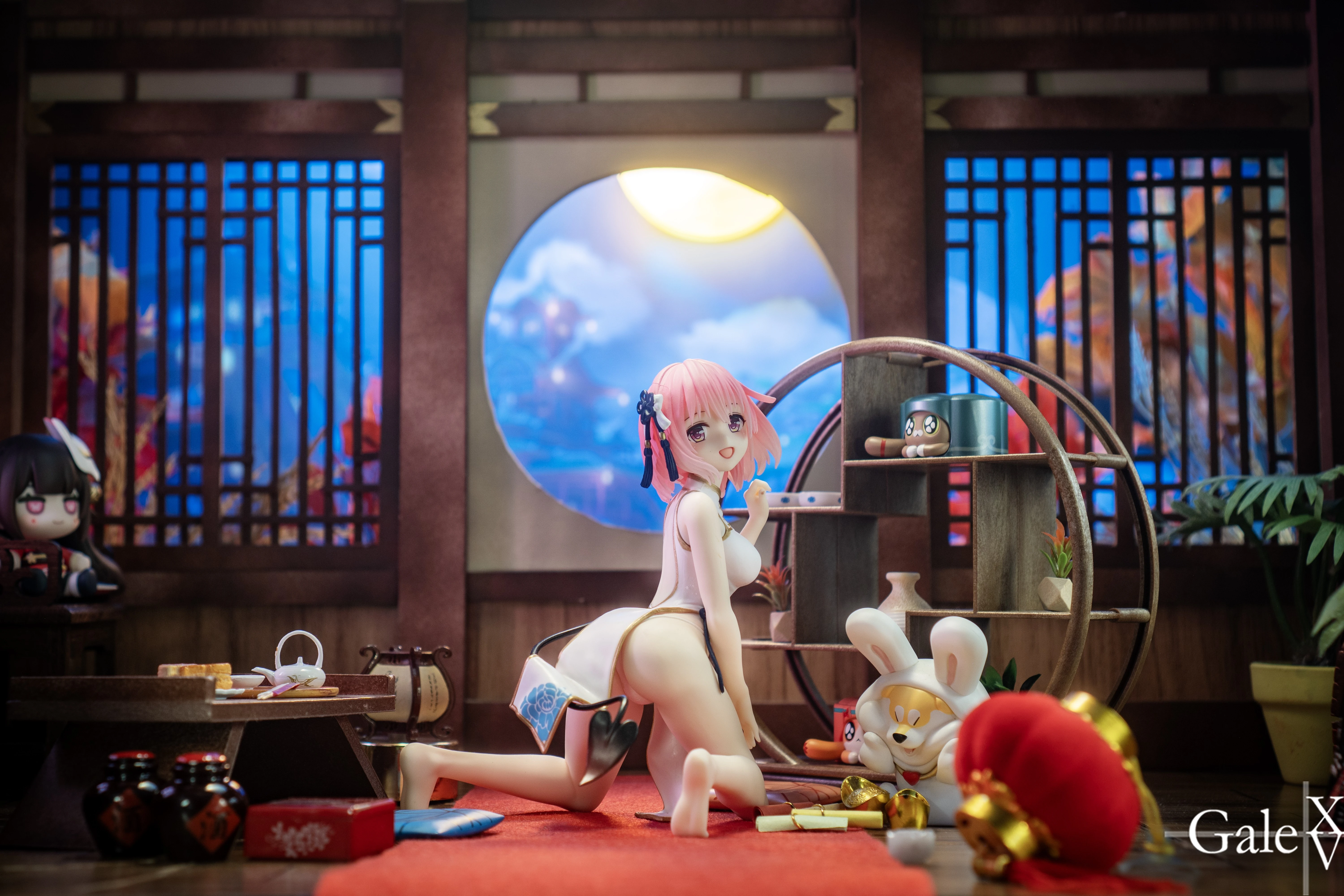
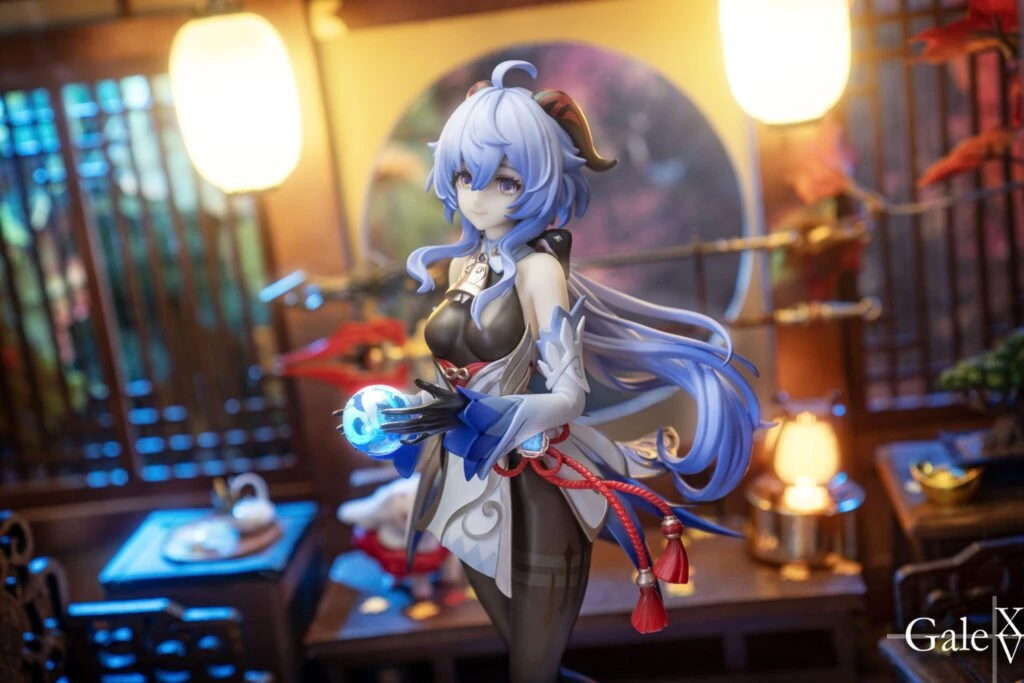
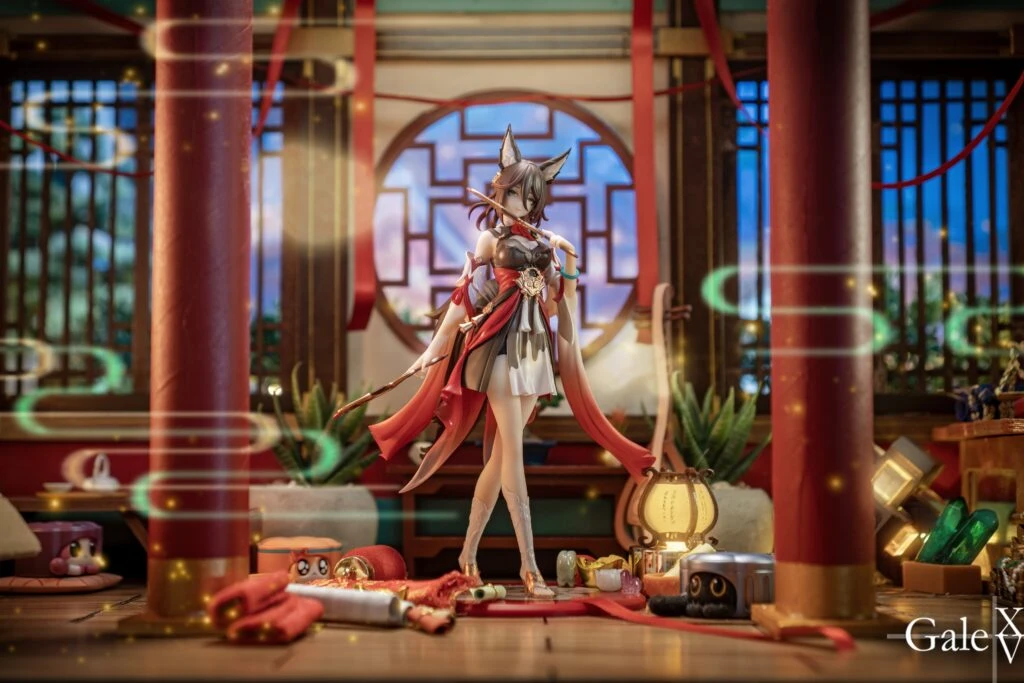
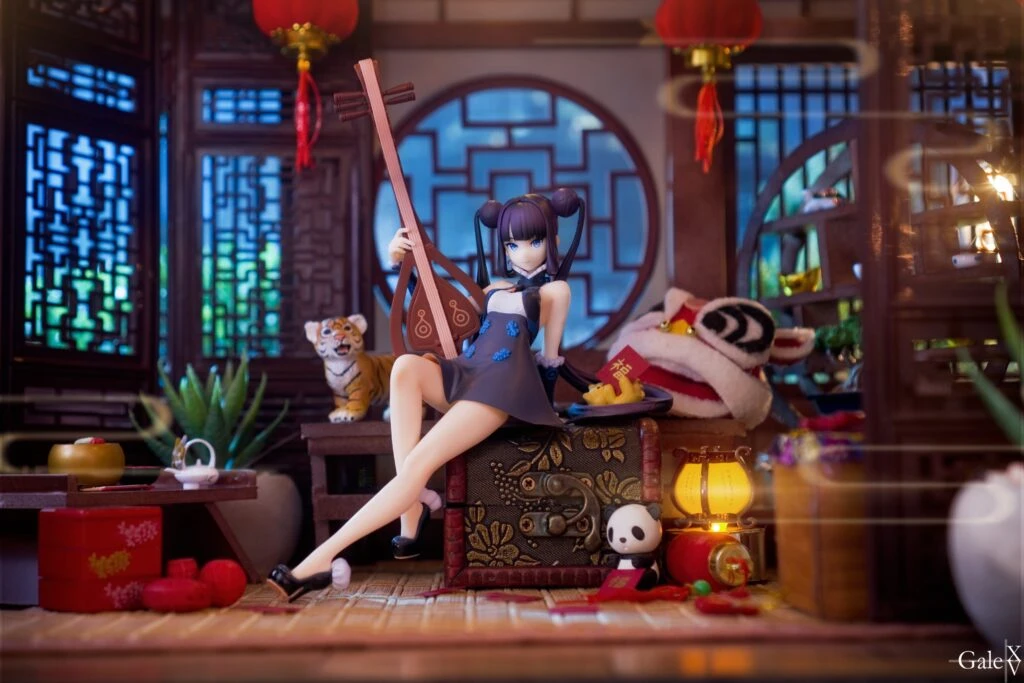
A: The choice of backdrop and illumination hinges on the effect I wish to achieve. Occasionally I aim to spotlight the environment and select figures that complement it. At other times I opt for generic settings, which provide greater flexibility when deciding which characters to include. For instance, Momo’s diorama from To Love Ru showcases a traditional Chinese interior; this can later serve as a stage for other figures bearing Chinese cultural themes.
Q: How important is post‑processing in your workflow, especially after showing before‑and‑after examples from a Top Gun/Umamusume shoot? Could you walk us through creating a shot like that?
A: Post‑processing primarily serves to refine images, adjusting exposure, color balance, and other settings. Occasionally I erase stray objects, but the main task is often to erase Nendoroid support stands and bases that appear in the frame.
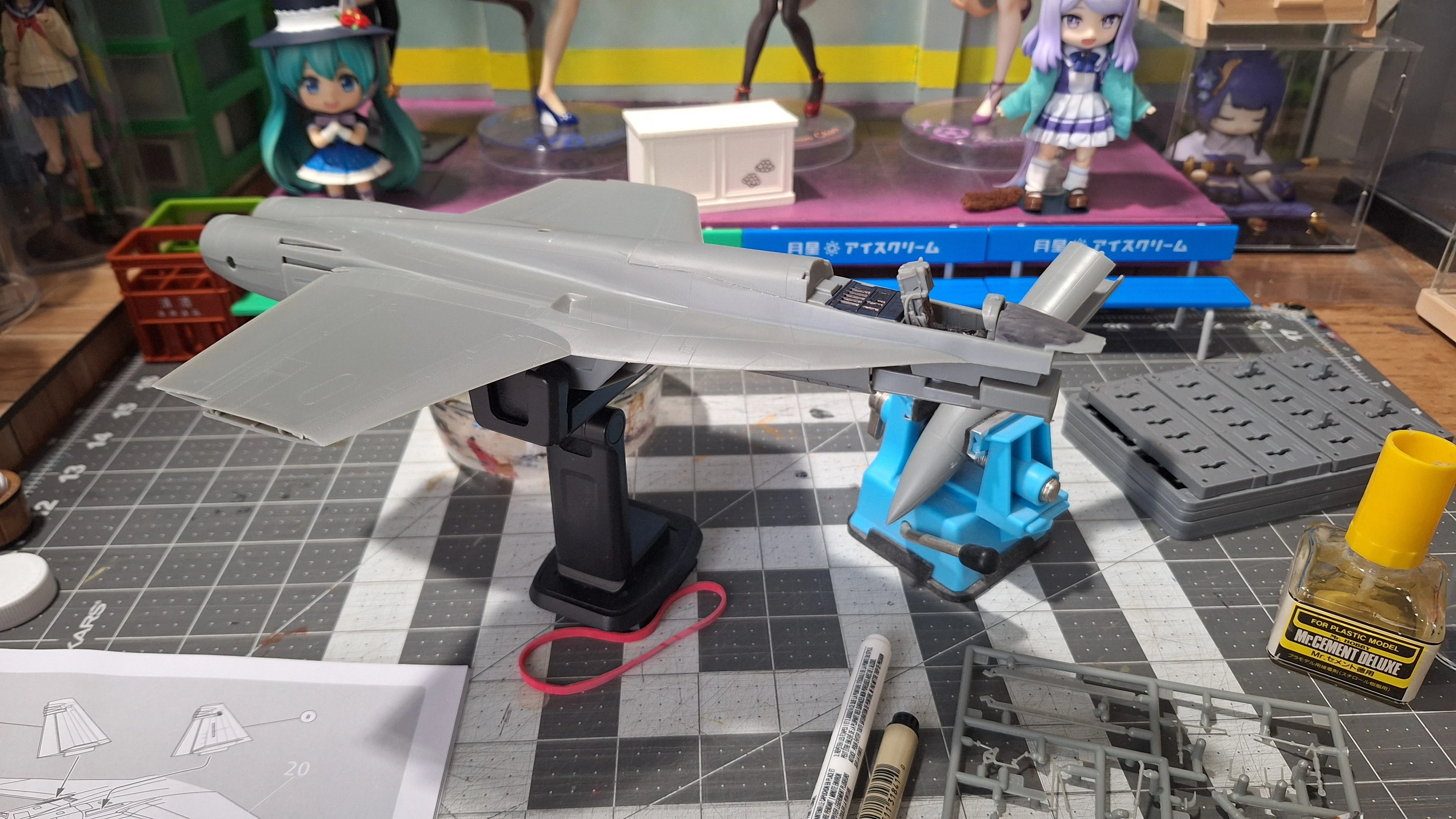
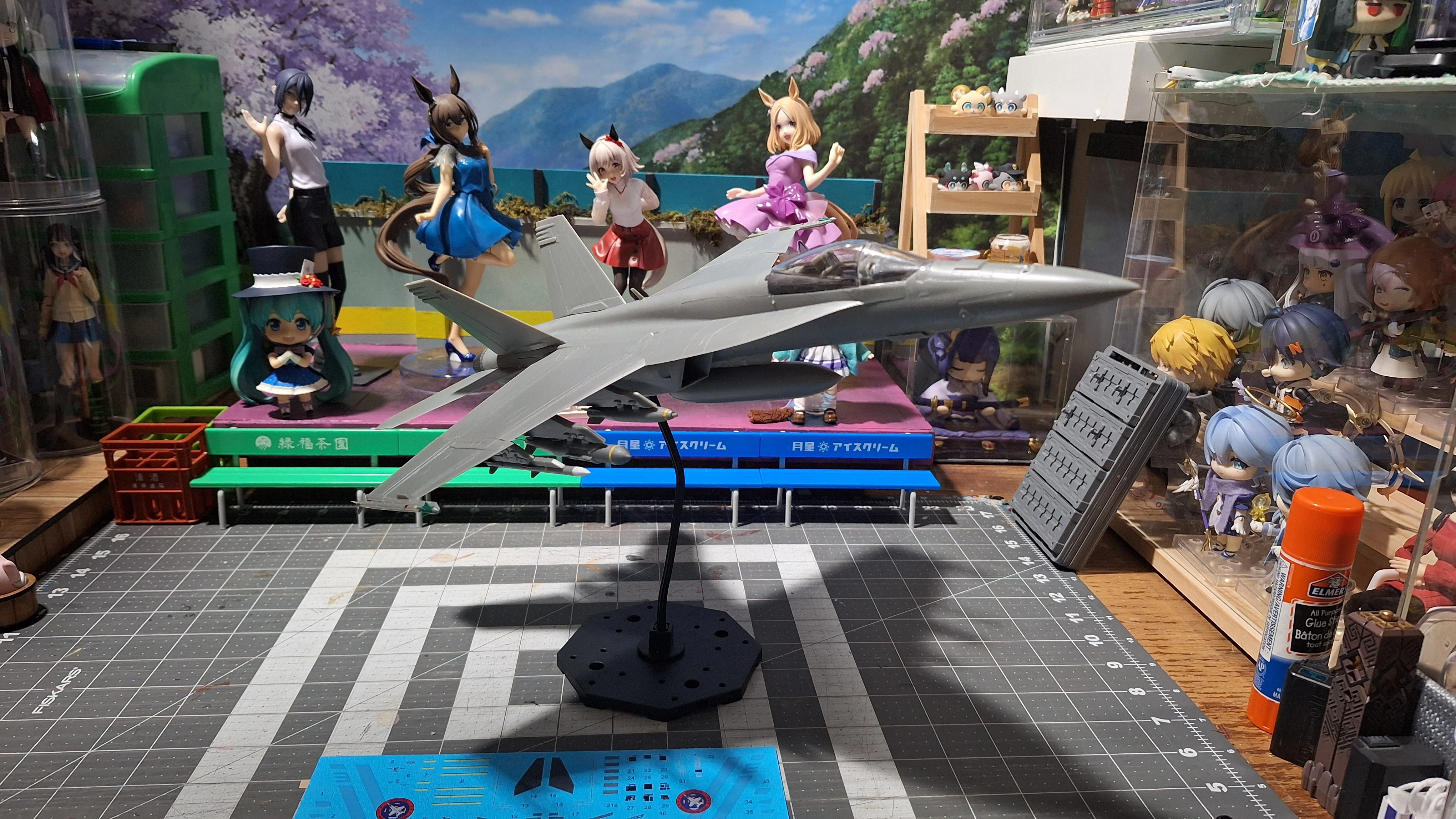
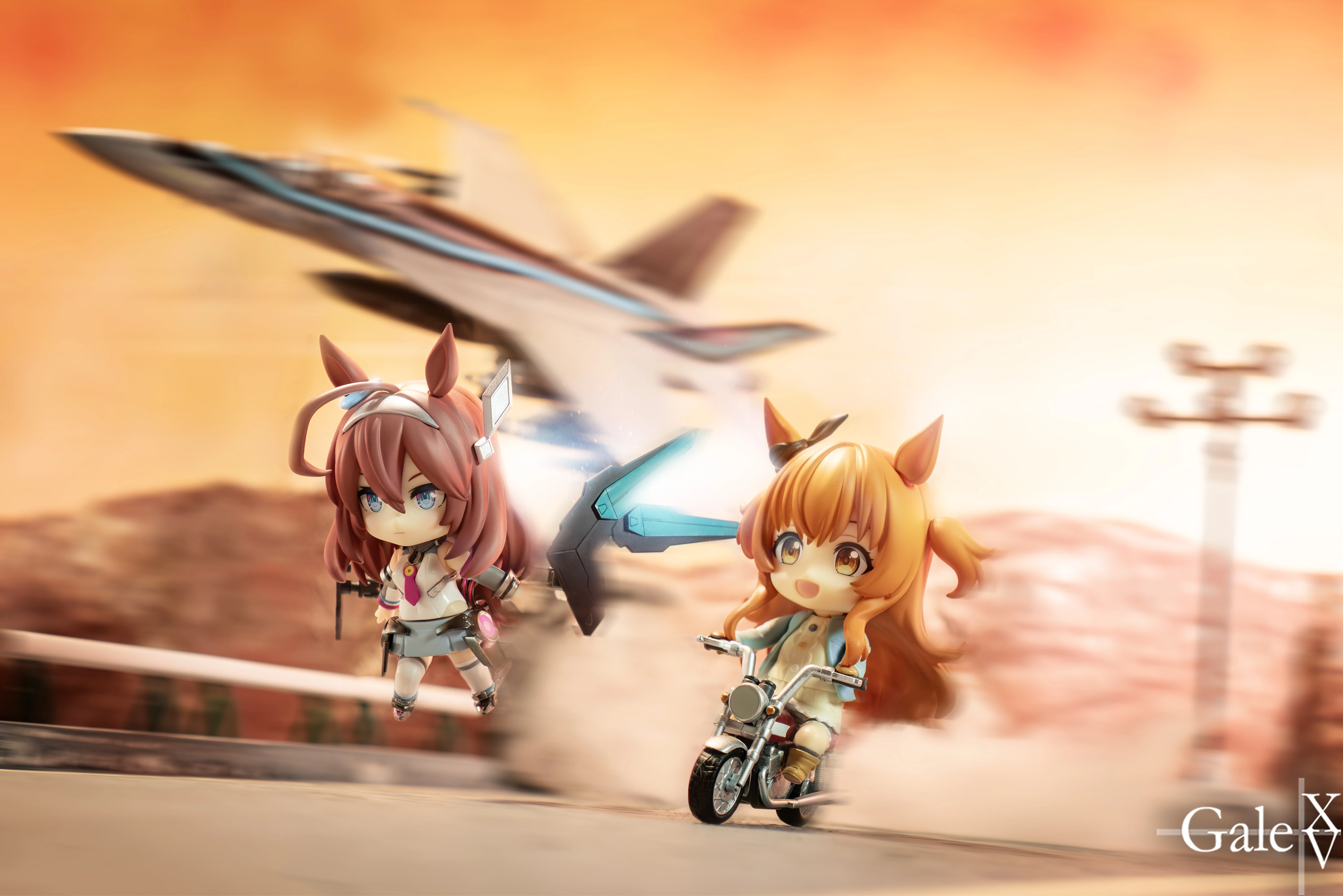
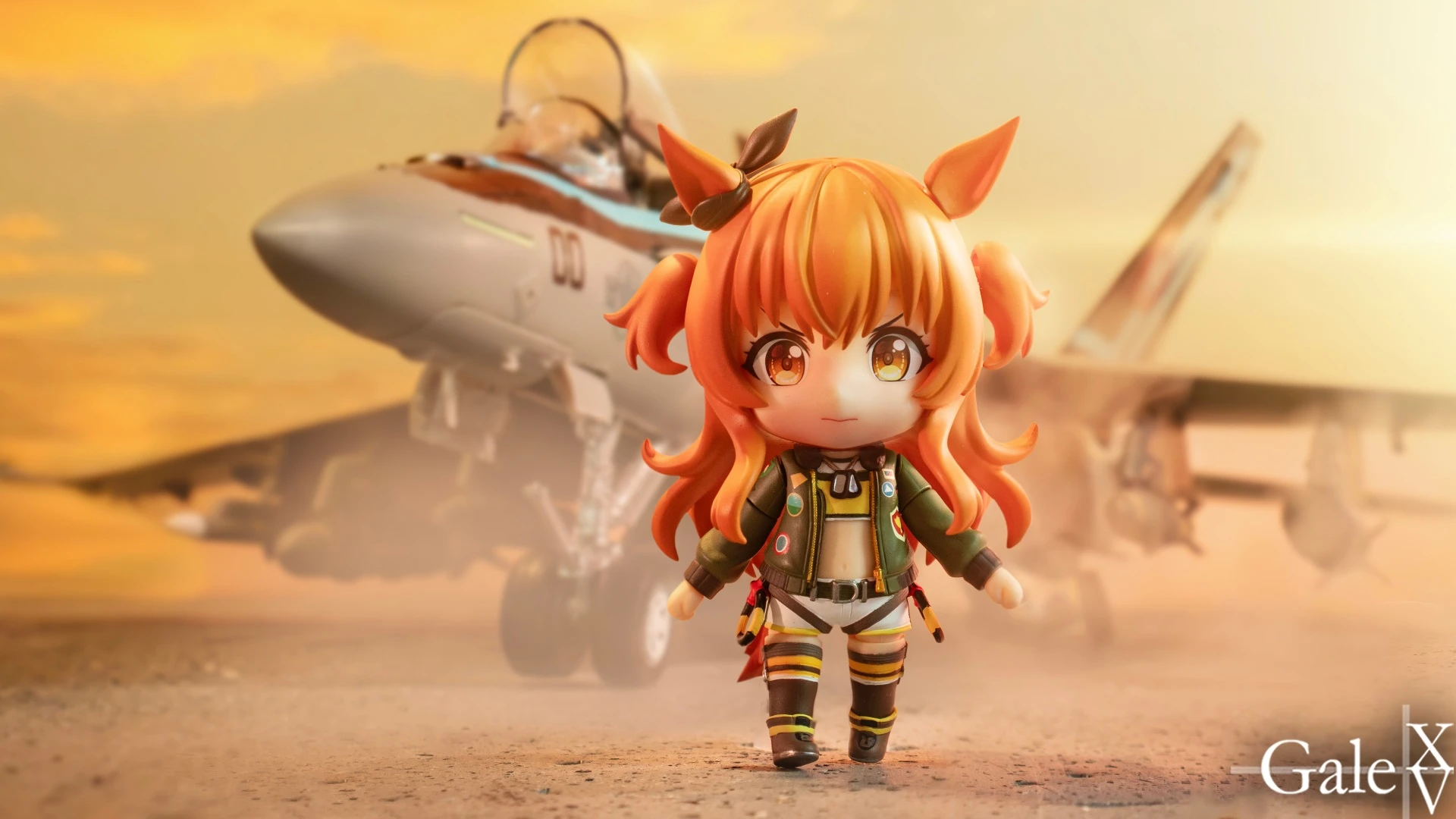
For the Mayano Top Gun composition, I merged two separate captures. I first photographed a scale model of an F‑18 Super Hornet that I had constructed for the shoot. Then I captured Mayano from the identical angle and lighting conditions. Afterwards, I blended the two pictures into a single composite, scaling up the aircraft so it appeared larger than the figurine, as the original model was too small in the frame.
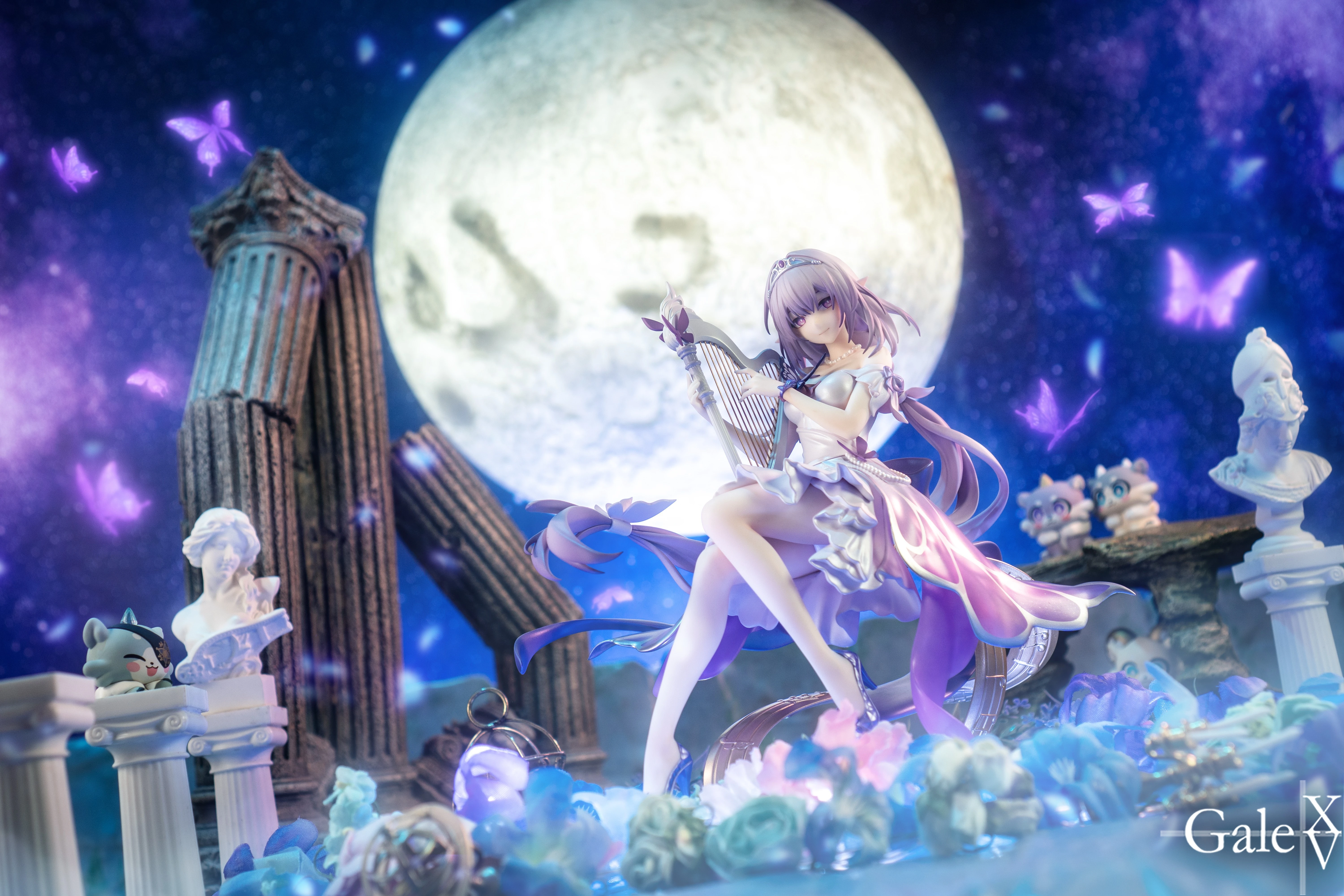
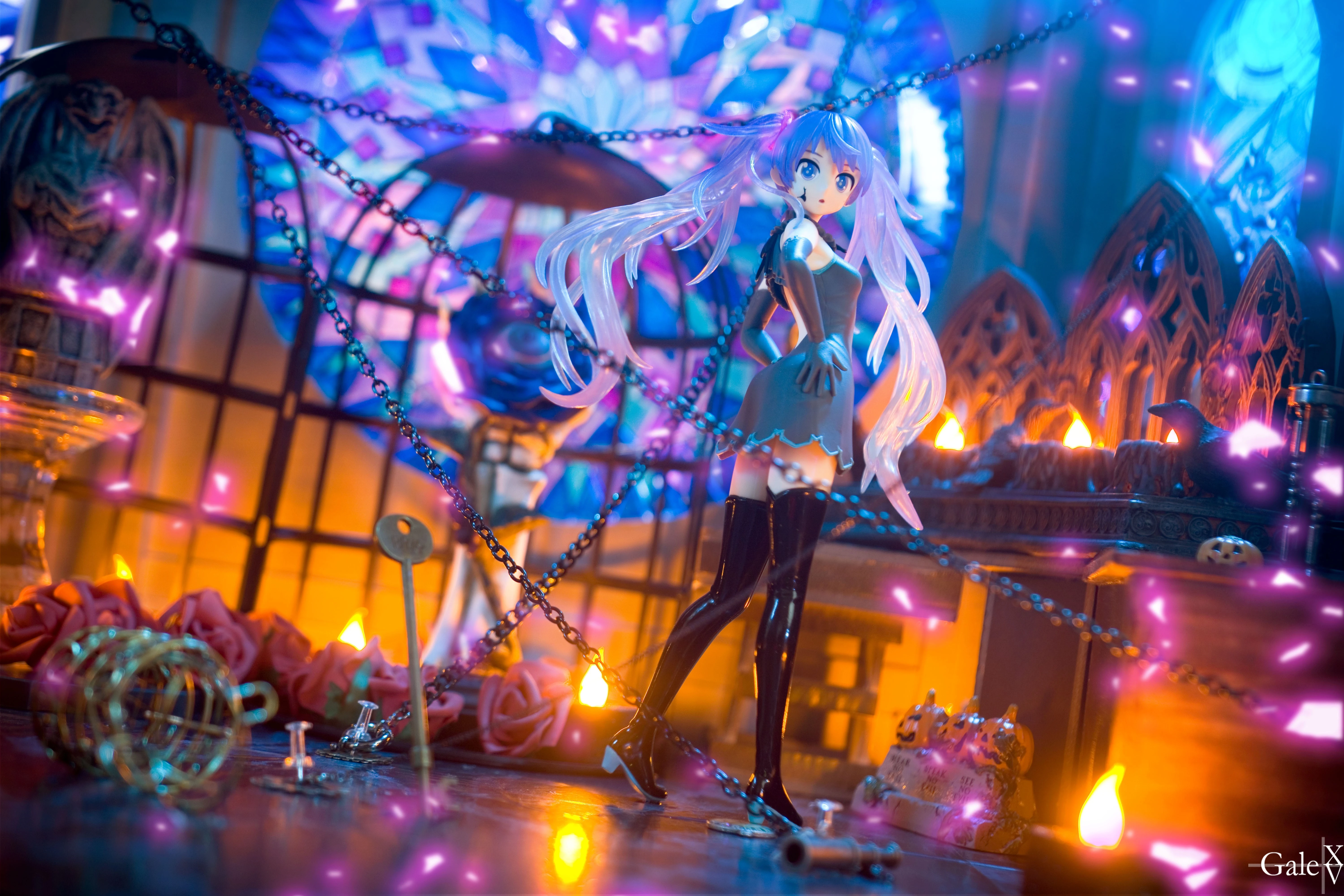
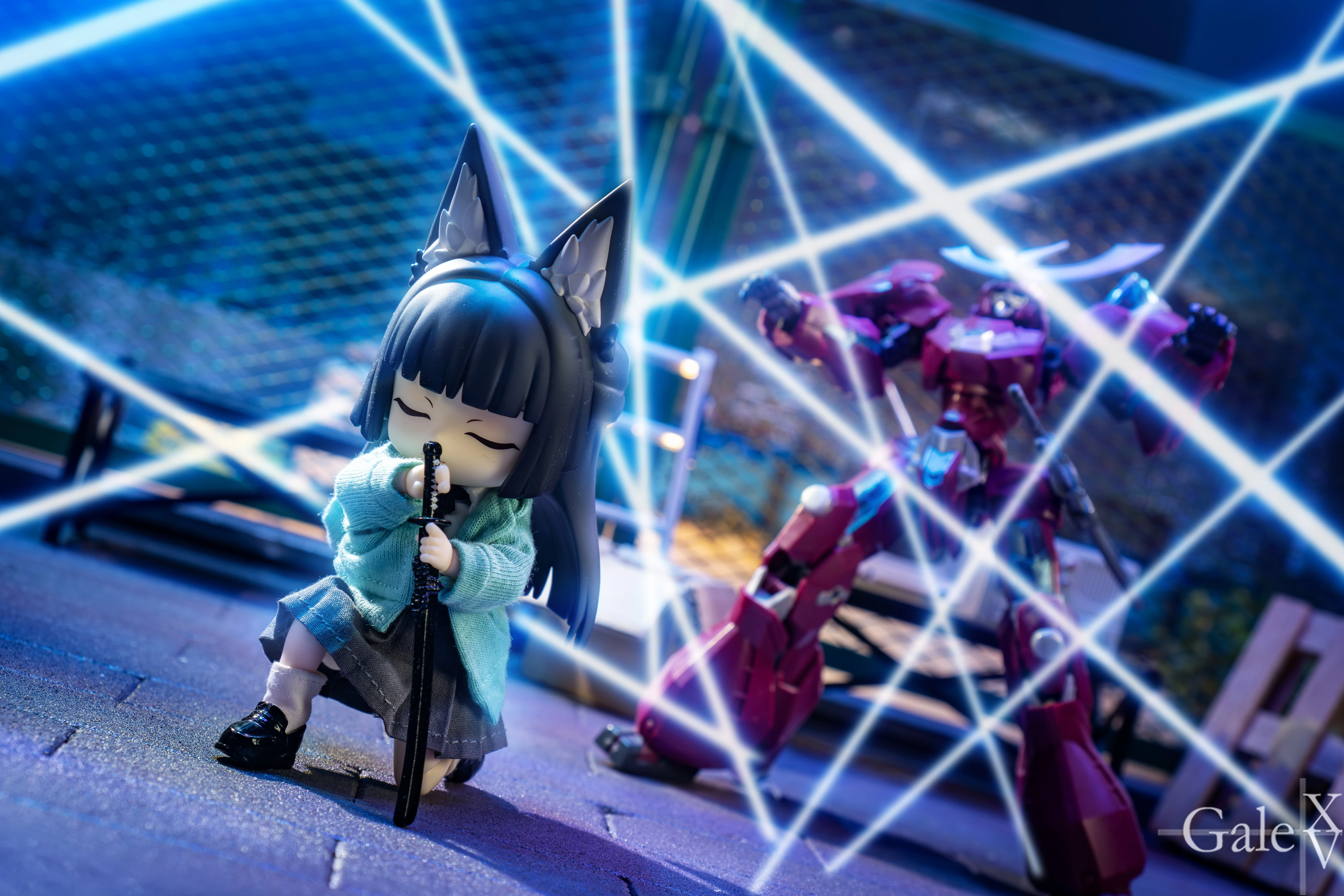
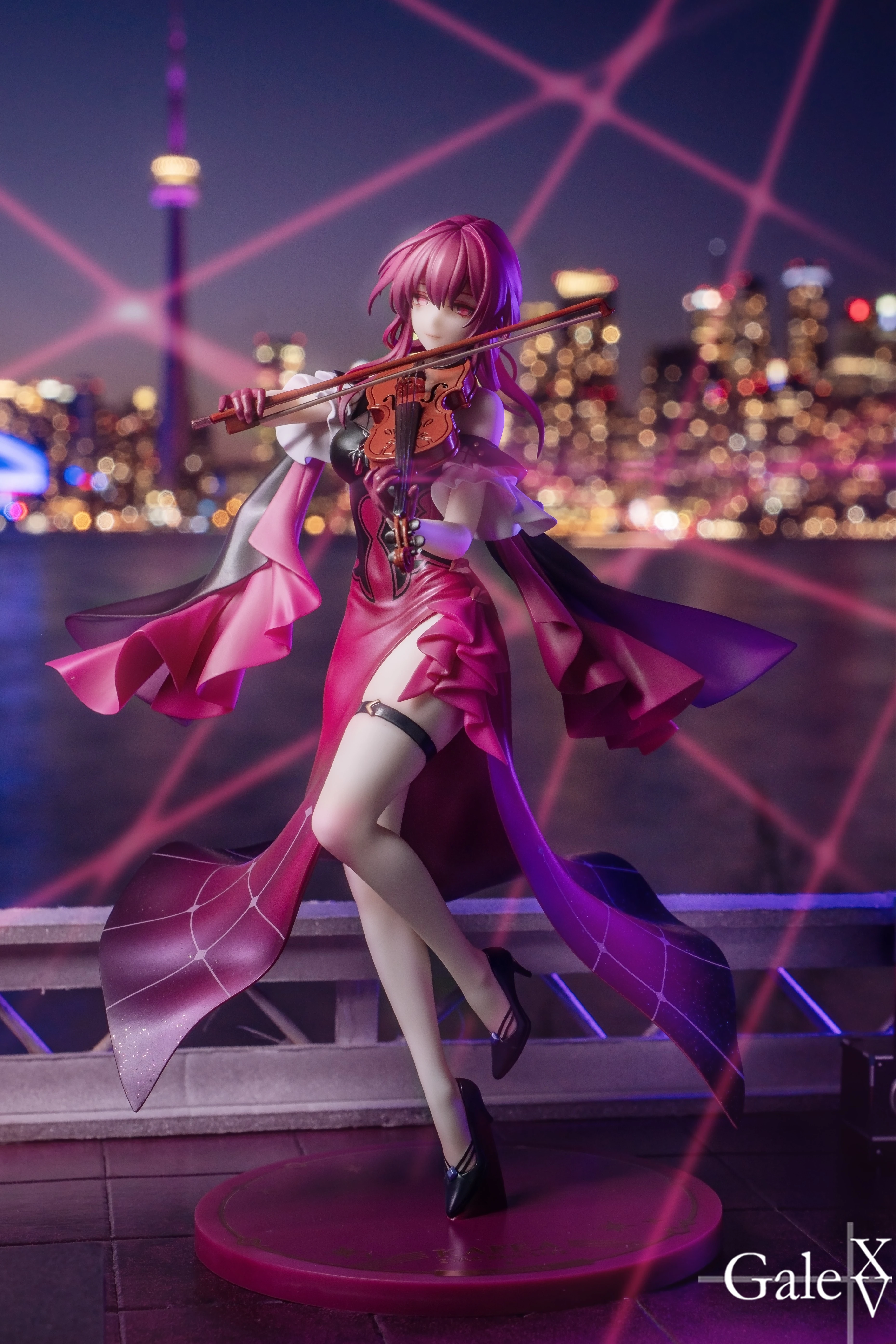
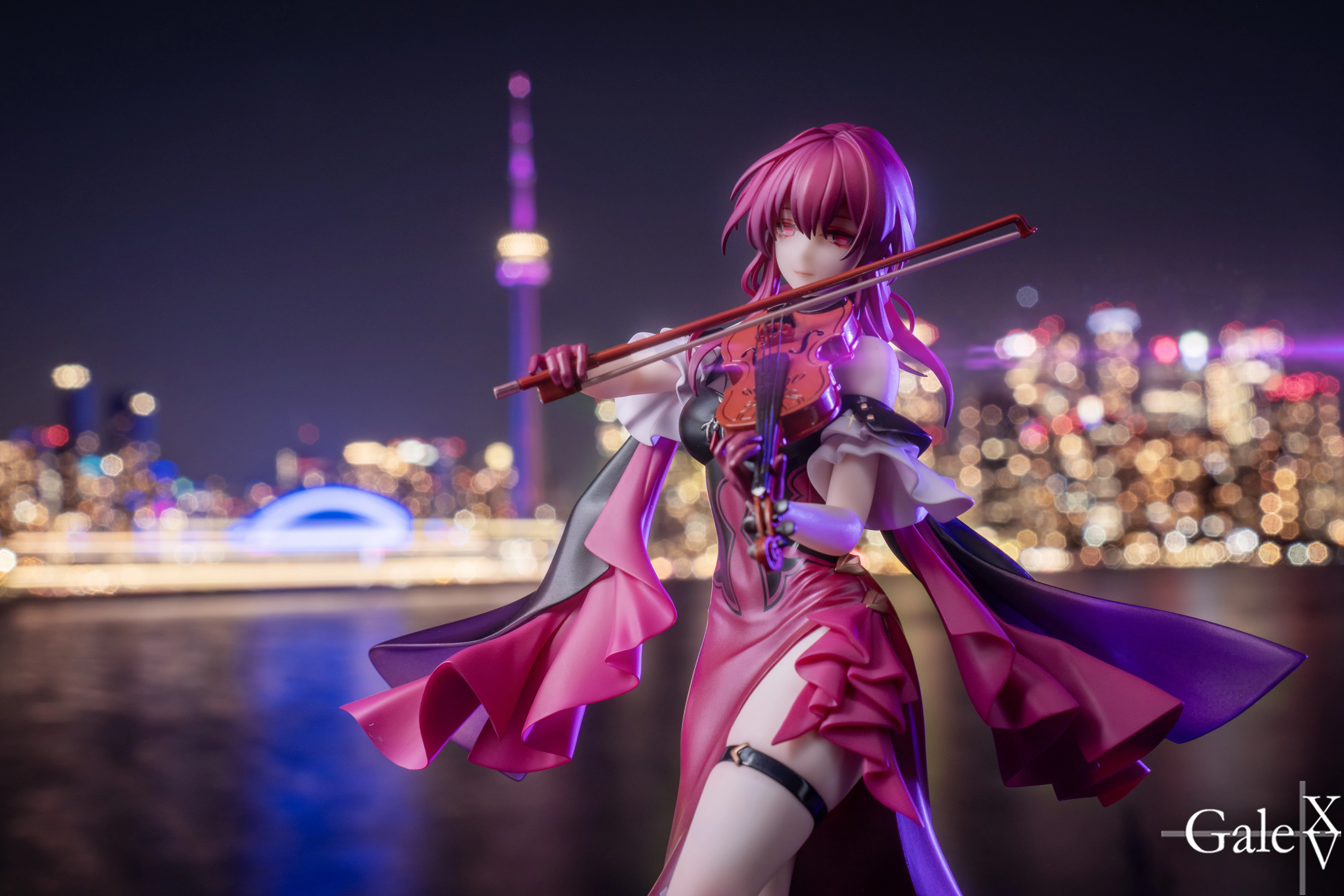
Q: For images such as those featuring Kafka and Castorice from Honkai: Star Rail, as well as your Halloween Miku arrangement, are the lighting effects primarily overlays or more hands‑on illumination techniques?
A: It’s a blend of techniques.
I strive to keep the illumination realistic, yet I sometimes incorporate overlay elements when the desired atmosphere cannot be achieved purely with physical lights. For instance, Kafka’s scene uses genuine red lighting, while the laser beams are added as effects. Similarly, the butterflies in Castorice’s composition are artificial additions, whereas the remainder of the lighting—including the background moon lamp—is produced by actual light sources.