
CYBERPUNK EDGERUNNERS 2 premiered its full 10‑episode run on October 20, presenting a fresh ensemble in another portrayal of the somber Night City. Studio TRIGGER once more crafted a stunning showcase of action, and I was able to appreciate many of the musical pieces. Still, I couldn’t help but measure the follow‑up against the first season, which proved virtually impossible to match. In my view, the limited runtime was another big issue, leaving insufficient room for the principal characters to develop fully.
Here I’ll share my thoughts on the series and the reasoning behind the title I chose. It’s worth mentioning that I played very little of Cyberpunk 2077, so most of its allusions passed me by and my perspective differs from that of a dedicated gamer.

Major CYBERPUNK: EDGERUNNERS 2 plot spoilers are included below.
The Four Main Characters
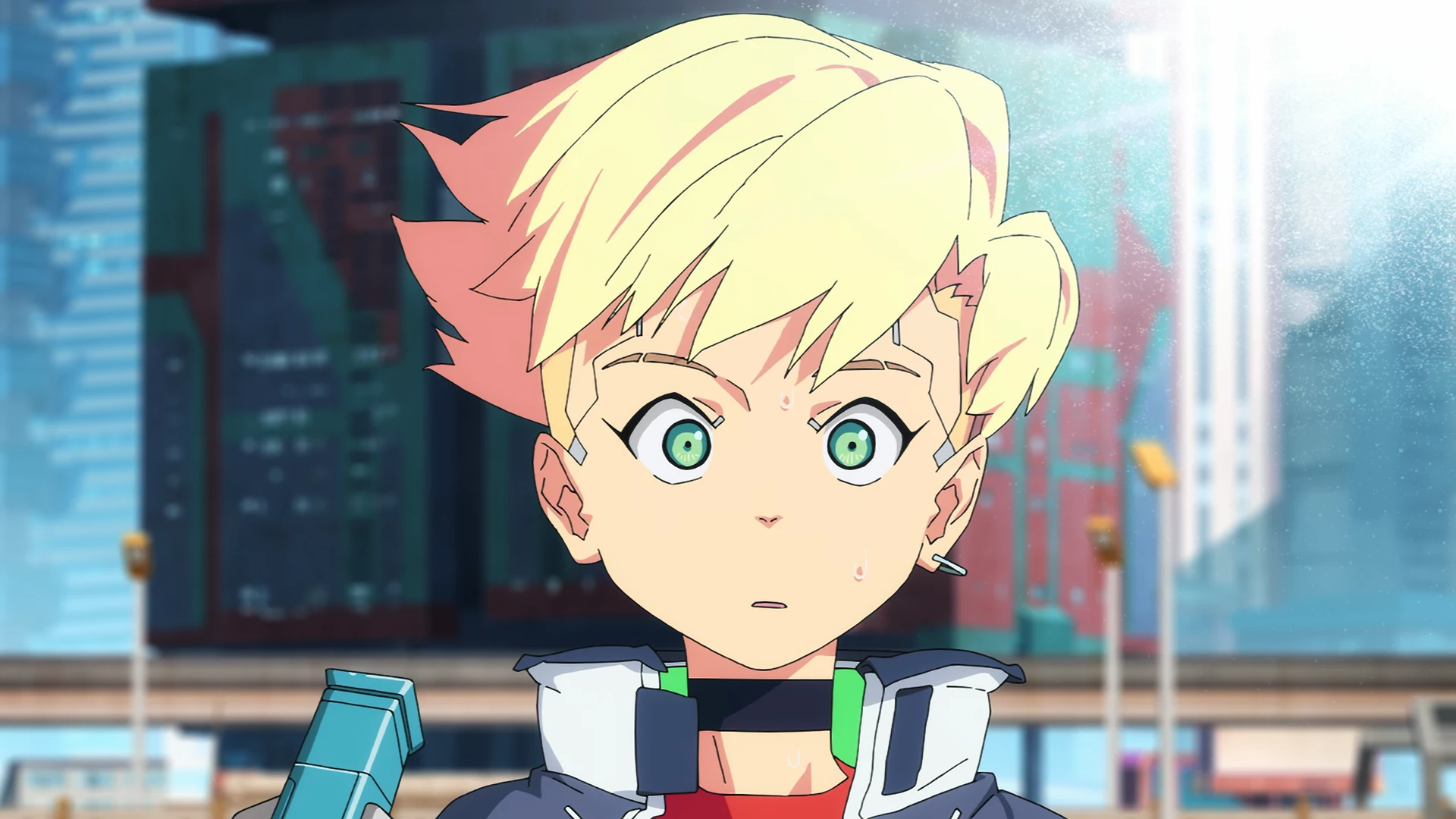
The series kicks off by meeting the first of its four leads, the youthful film buff Roman. His passion for movies is evident early on, and his camera is clearly destined for significant screen time from the premiere episode. Throughout the run I relished the retro‑style visual sequences that flash in. Roman emerged as my top favorite, and I found him the most level‑headed even though he’s just a 12‑year‑old. He continuously strives to aid Talia and D, despite knowing them barely, and he puts his own safety on the line for most of the journey.
I also appreciated that Roman’s camera served a purpose beyond eye‑catching footage. His recordings actually moved the plot, such as when his filming of D’s retaliation helped transform D into an emblem. The character received frequent compliments for his skill, which made his presence feel richer than that of a mere sidekick tagging along. I was disheartened to see him assist D during the villain’s arc, yet his youth and hope that D might change justified the involvement.
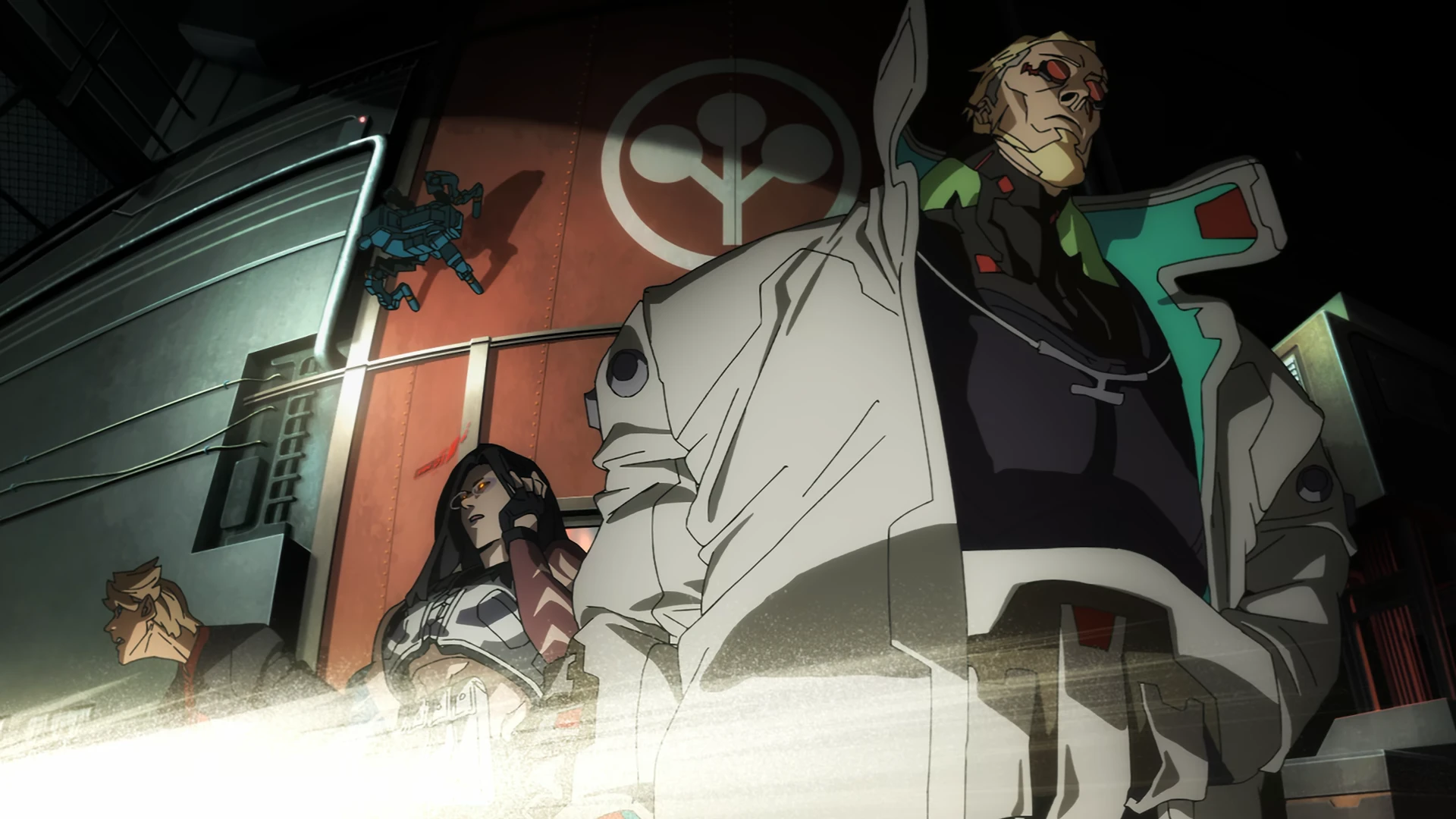
After the brief preview of Roman, we meet Weak Kingsley, a veteran edgerunner who once wore the title of legend, a nickname that underscores his formidable reputation.
The inaugural raid, though, reveals that his prime days have long passed. He exhibits pronounced signs of cyberpsychosis, swiftly descending into madness and almost meeting his end. The series once more delivers a stark, inventive depiction of mental collapse, and this moment feels like the opening act of a somber saga. Roman captures these events on film, and the close‑up lens work remains visually striking.
Among the quartet, Weak Kingsley was my least favourite. The narrative offers scant insight into his history and decline, leaving his commitment to Avida—and by extension to Talia—under‑justified. While his backstory with Avida and the notion that Talia might be his daughter are meant to explain his fervor, I felt these moments were merely alluded to rather than explored. More direct portrayal of that bond would have deepened his allegiance.
Despite his descent from a powerhouse to a near‑null in gear and skill, I was amazed that he stayed integral to the plot for an extended period. I wished the narrative had highlighted more how his veteran know‑how aided him in navigating hardships as an underdog.
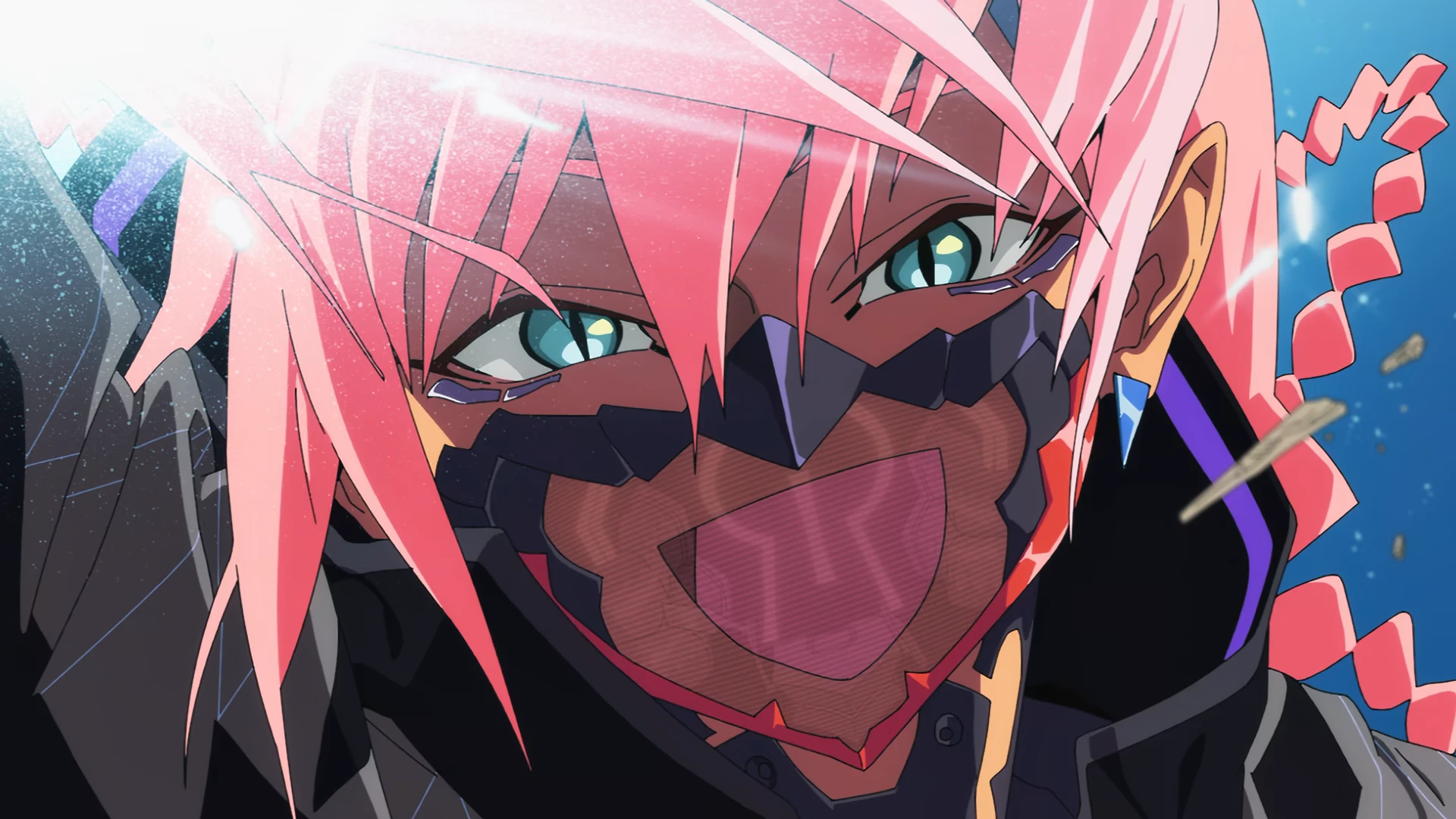
The next principal figure is Talia. She makes a visually striking entrance, and her look instantly became my favourite among the main cast. However, she is portrayed as a cold, chrome‑obsessed adolescent who has no hesitation in abandoning Roman to be slashed by Maelstrom agents. I expected her to taunt him or rescue him, yet she merely snatches his camera and lets him be taken—likely to his demise.
As the narrative progresses, we discover her medical condition and underlying motivations, shedding light on her rebellious nature and strained family ties. Though she functions as a convincingly headstrong teen, I struggled to empathise with her due to her harsh introduction and the subtle indication that her time may be limited.
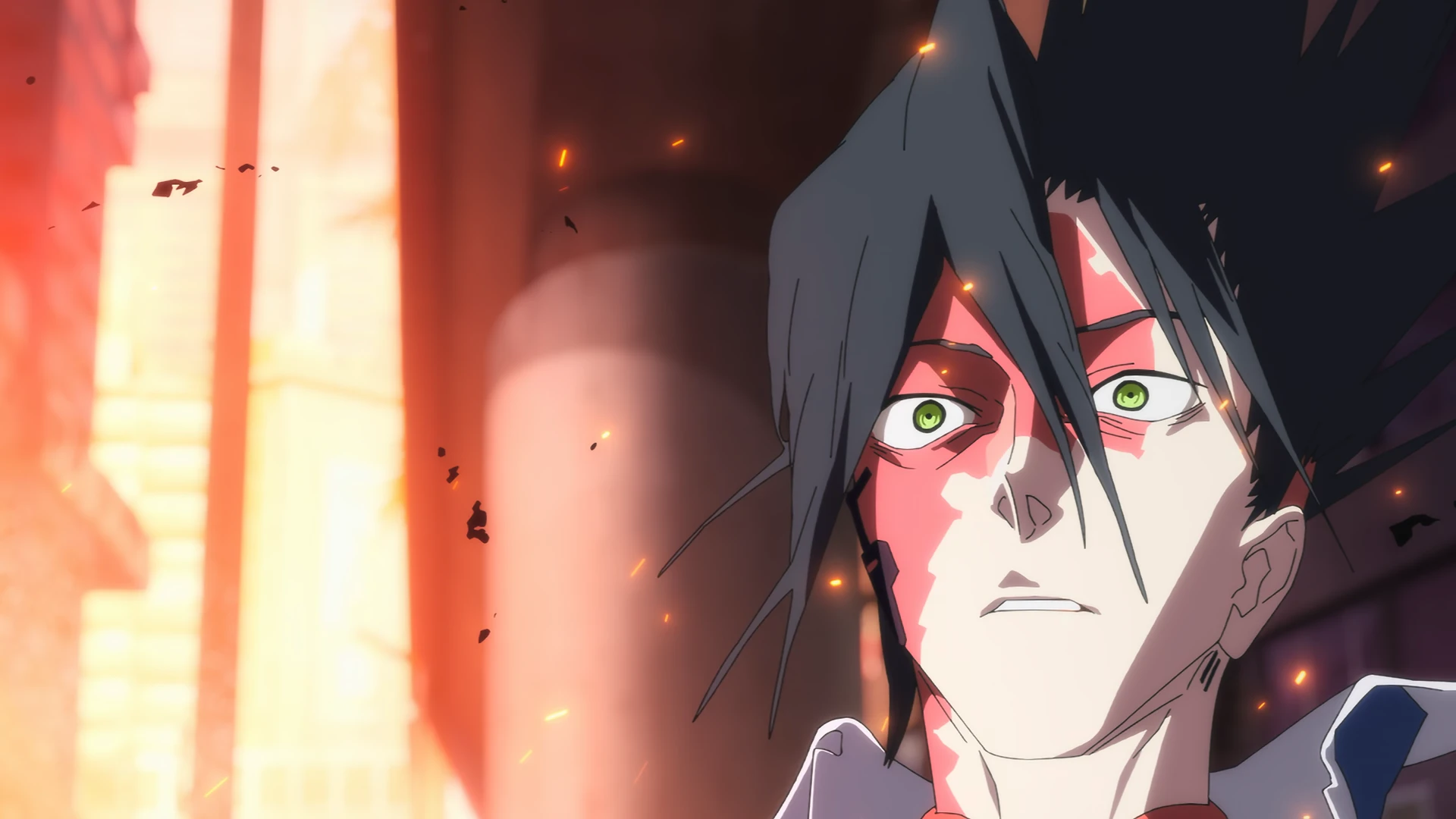
In the end, Talia’s decision to leave Roman to his fate brings about the final lead, D. He had discreetly entered the same area, and from the outset we see that he is a compassionate soul, choosing to rescue a stranger over his own quest for Helio. The interplay between D and Roman remains my favourite moment throughout the series; D appears completely at ease with Roman from their first encounter.
D’s narrative reminded me of a Sasuke‑style quest for retribution. The vision of his friends and his drive to avenge them felt genuine. Still, I longed for brief scenes showing those friends’ happier moments, which were absent aside from a single sequence of him cruising with Omi—leaving me less invested. Moreover, his inherent kindness seemed to clash with the likely cost of his planned actions.
I also valued his bond with Capri. I wanted more development of that connection, as it later proves pivotal to his arc.
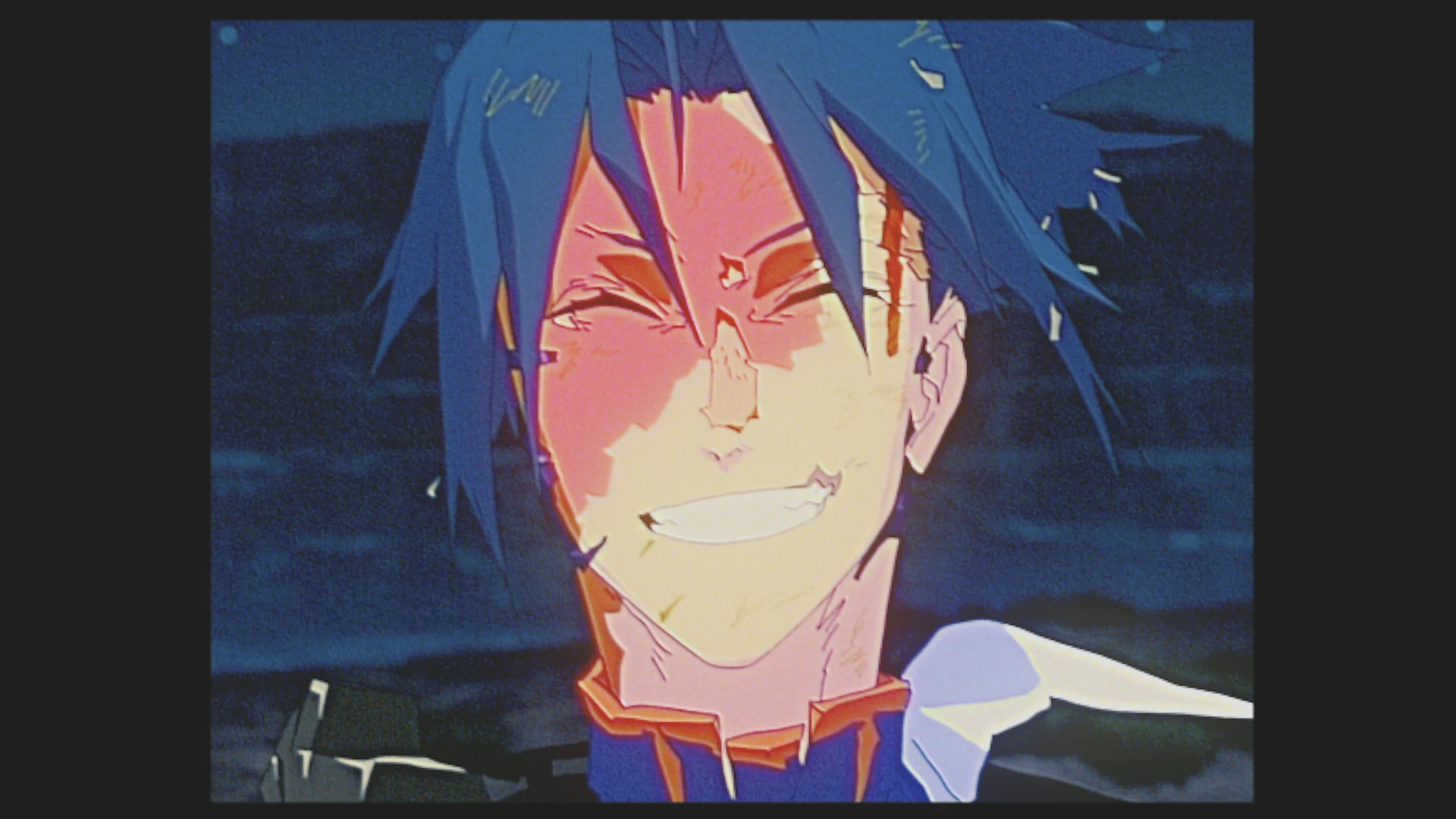
Consequently, I felt his climax was hastily assembled. After stubbornly persisting on his vengeful path for eight episodes despite repeated warnings that it was futile, his sudden epiphany seemed unearned. Even Omi spends much of Episode 9 trying to coax him back to normalcy, yet he remains unresponsive until he catches Talia with Capri. This unexpected moment triggers his acknowledgment that he can’t act solo, prompting him to enlist Omi’s aid and ultimately decide to rescue Capri and confront the opposition.
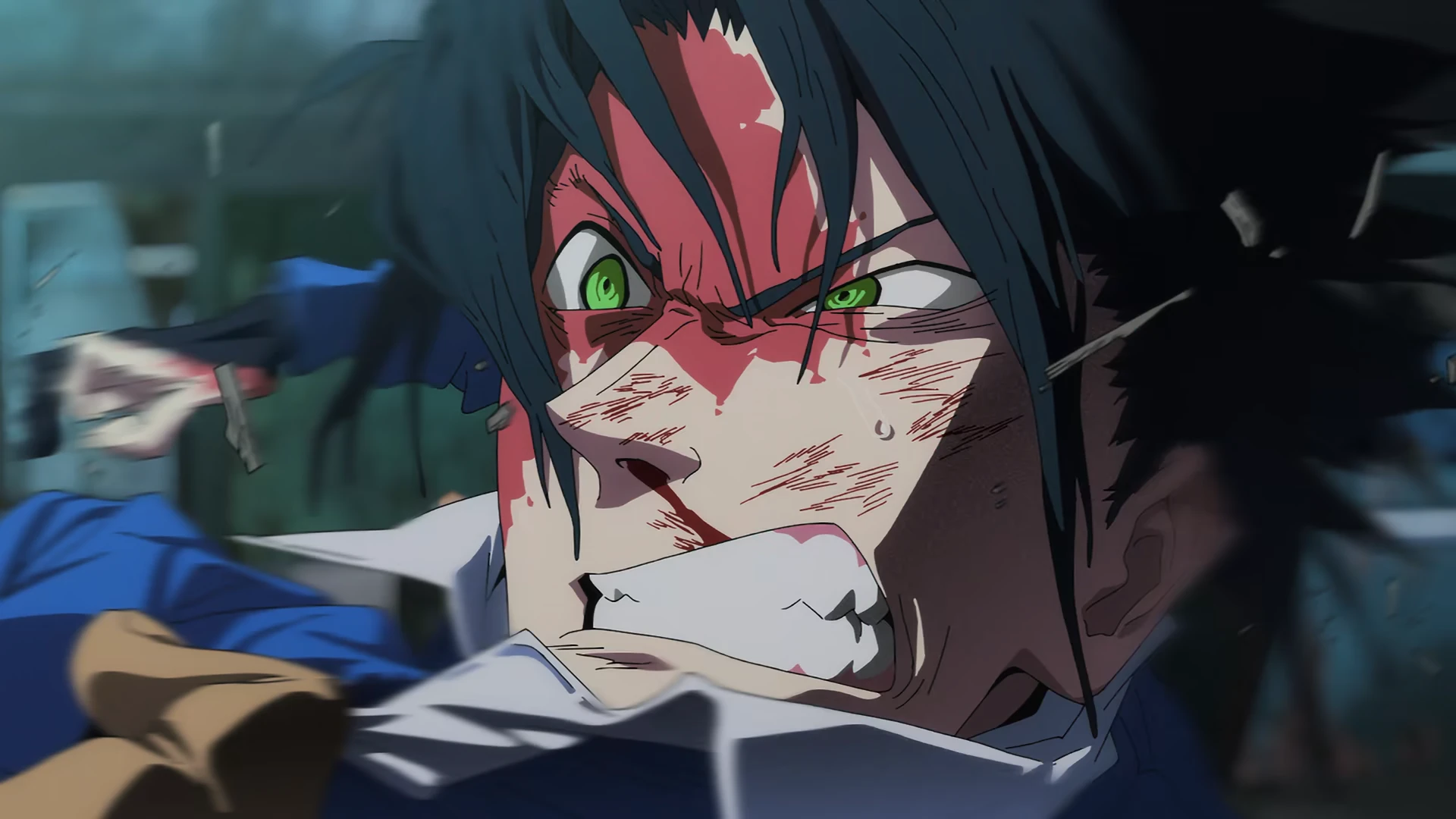
I recognise that uncovering the massacre’s truth and his growing affection for Capri were intended to reshape his focus. Yet I craved more insight into his emotional processing. My critique isn’t of the eventual direction his character follows, but rather the speed with which he reaches that point following the botched uprising.
The Story
Judging from my perception of the characters, I felt the narrative lacked sufficient development time. While the concept of intertwining multiple distinct story arcs is compelling, the limited runtime prevented any of them from achieving full depth, ultimately diminishing my overall engagement. This frustration was amplified by the fact that Season 1 succeeded in forging strong emotional connections with its characters within a similar timeframe, leaving me yearning for a comparable investment here.
On an individual basis, each storyline held merit. Roman’s cinematic passion, Weak’s bygone edgerunner days, Talia’s metamorphosis within the Maelstrom, and D’s history fueling his vendetta all possessed the potential to become standalone seasons. However, this very ambition highlighted gaps in execution, particularly concerning Weak, whose background remained largely unexplored.
What I did appreciate was the diversity of motivations. Roman sought to document unfolding events, Weak clung to memories of his bygone era, Talia navigated an uncertain future, and D was consumed by revenge. Their divergent paths intersected without a shared objective, reinforcing the impression of Night City as a milieu where disparate lives could converge unexpectedly.
I relished the sporadic interactions among them, especially during D’s initial breakdown when he nearly killed Talia, yet I desired more frequent encounters. The ensemble’s togetherness was fleeting—perhaps ten seconds before Capri altered her host—leaving me longing for additional moments of group dynamics.
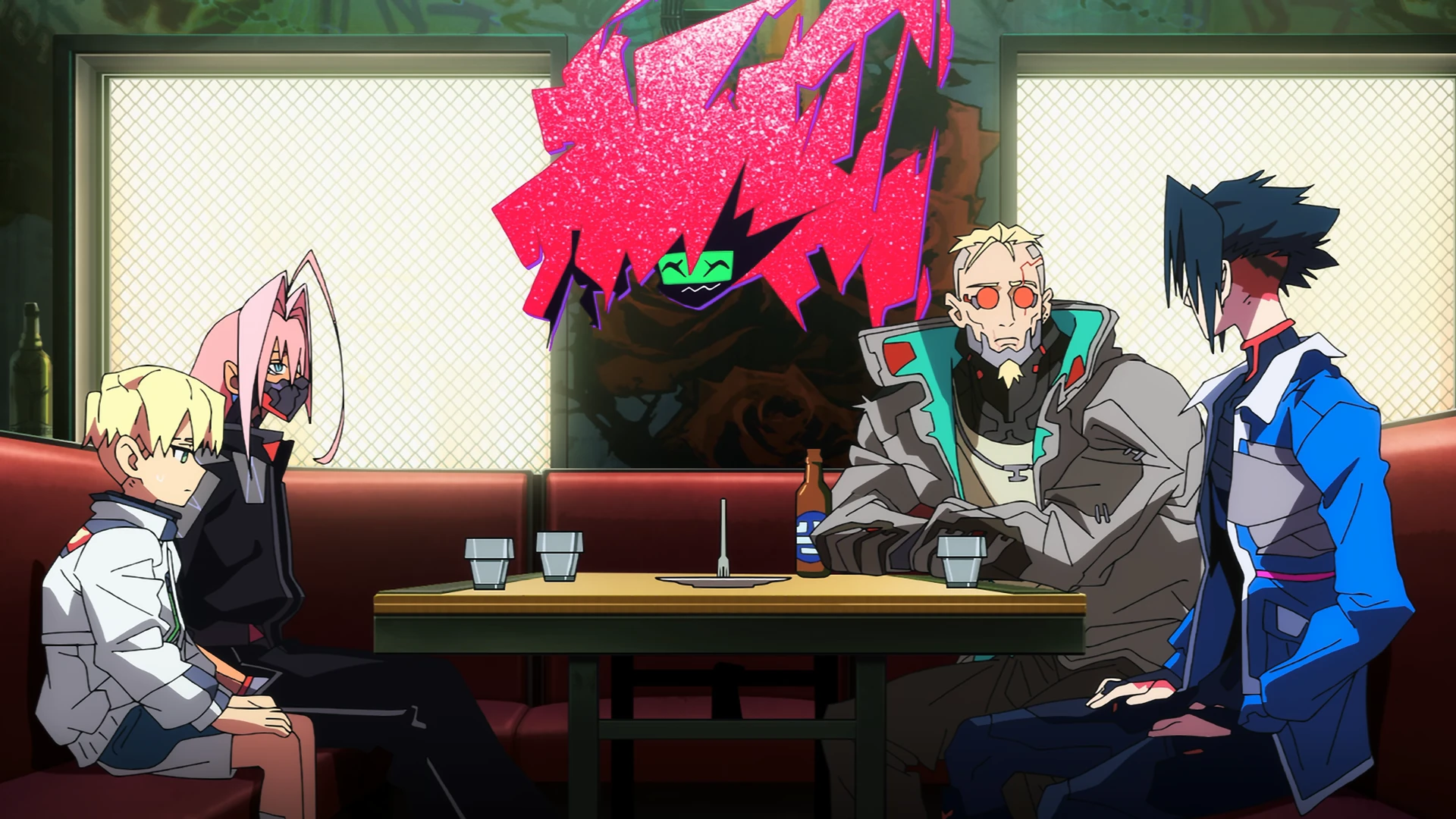
Capri enriched the narrative by offering D a concern beyond vengeance. His growing bond with her sparked curiosity about a potential shift away from his original quest, and her presence eventually intertwined his storyline with Talia’s. Although certain explanations felt unsatisfactory, the underlying concept held appeal and kept me eager for the unfolding outcome.
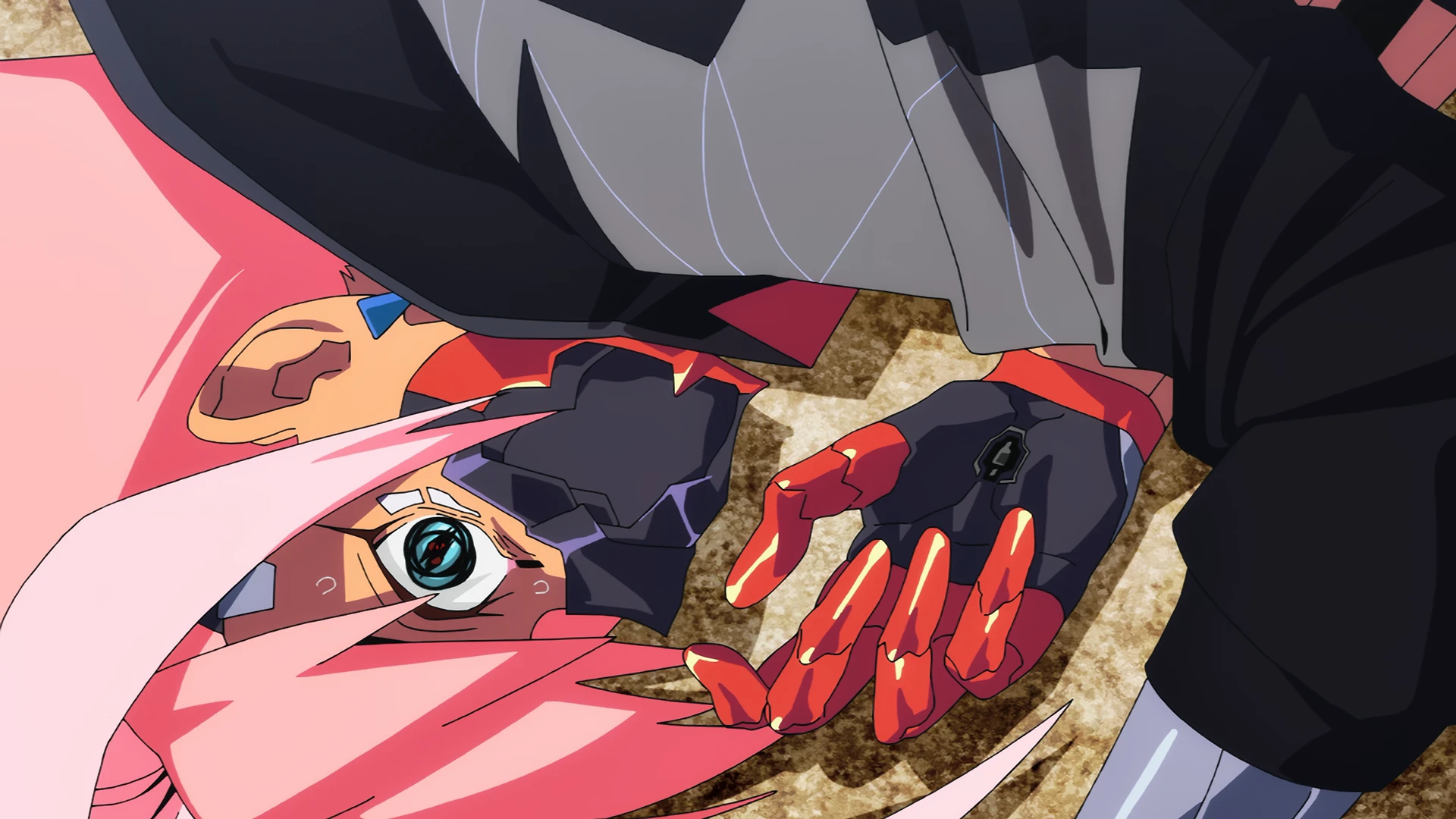
The series also explored the broader perils of artificial intelligence, an angle I found intriguing. Capri’s visual cue—splitting into green and red—communicated the event swiftly and effectively. Nonetheless, I craved deeper insight into why the residual program portion ceased communicating with D or why it favoured Talia as a host. These elements felt pivotal, yet their exposition felt insufficiently detailed; Capri merely gazed at her reflection, smirked, and proceeded with her actions.
In my view, merely adding two episodes could have transformed the experience. Additional runtime might have afforded a flashback elucidating Weak’s connection with Avida, expanded scenes with D’s former comrades, or moments of character interaction untainted by immediate peril. The core narrative arguably didn’t require alteration; I simply desired greater opportunity to invest emotionally in the individuals involved.
I also valued the nods to Season 1 and David Martinez. Knowing David’s absence, those callbacks still resonated and evoked stronger feelings than many of the new developments. They served as a reminder of my affection for the inaugural season.
The Production
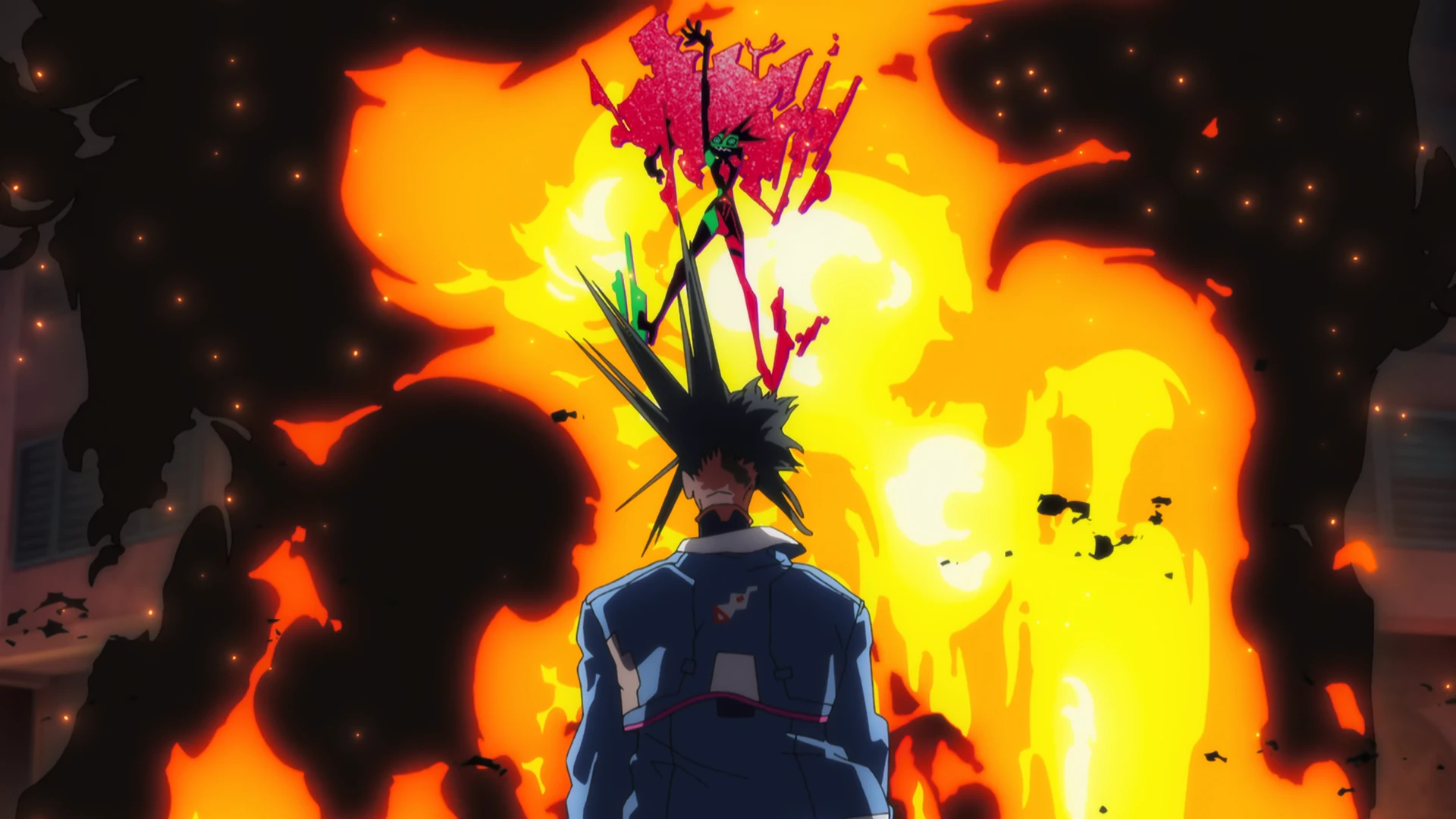
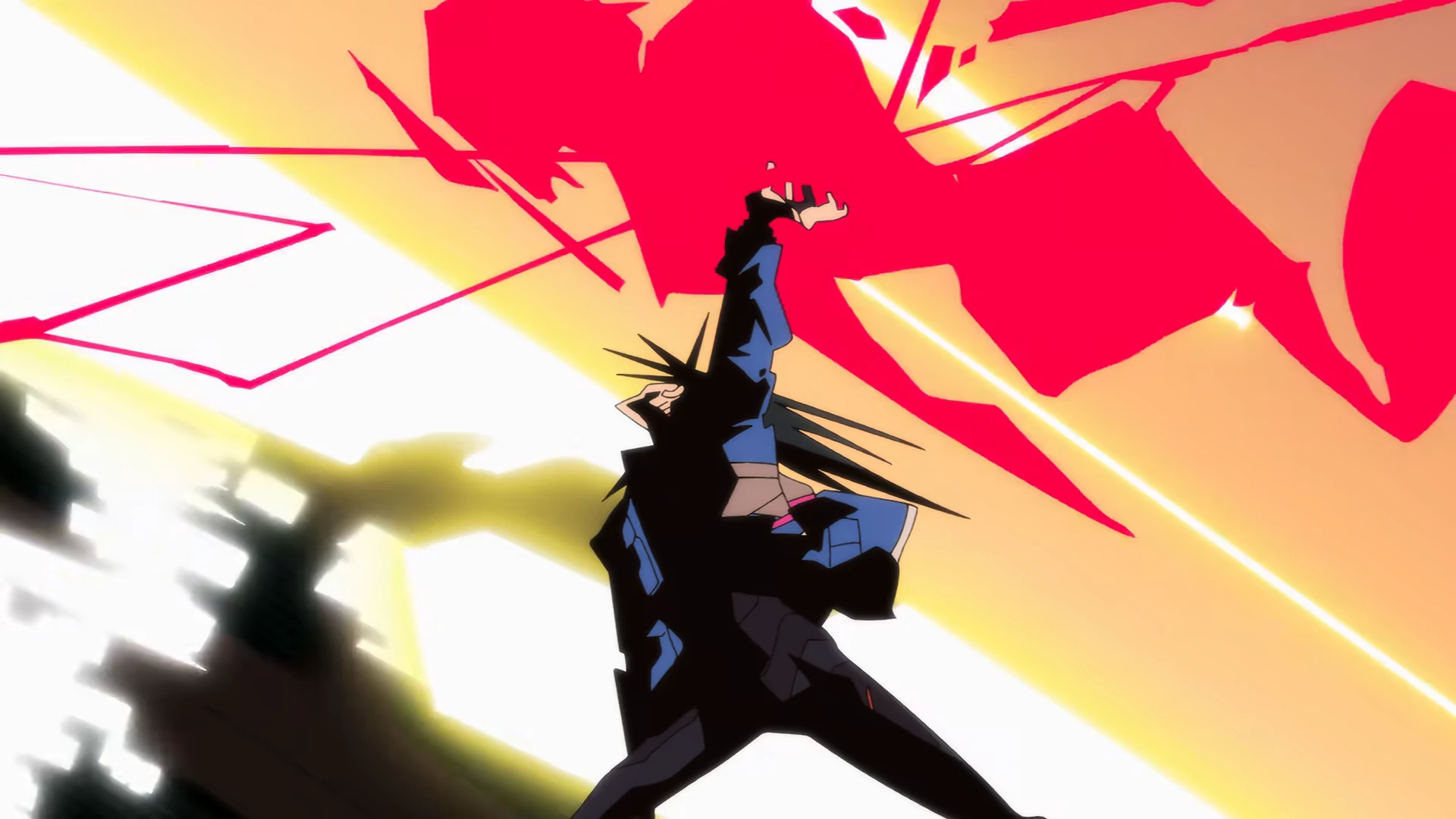
Production standards continued to improve in my estimation. Studio TRIGGER delivered animation that met—and often exceeded—the high bar set by Season 1. Whether captured through close‑up lenses, D’s distressing recollections, or explosive action sequences, the visual execution consistently satisfied the lofty expectations cultivated previously.
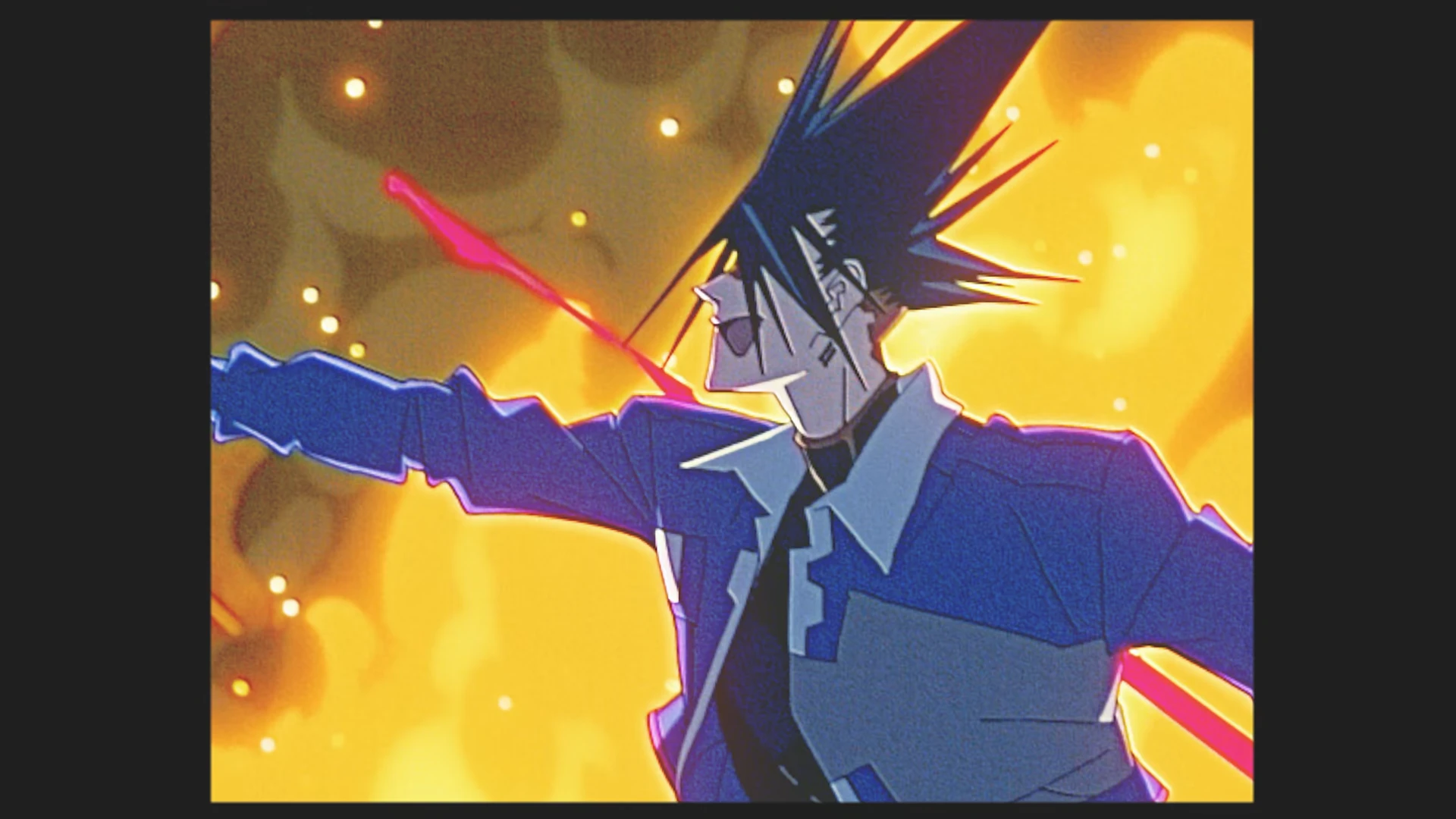
I particularly enjoyed the adaptable visual approach. Roman’s recorded footage possessed a distinct aesthetic separate from the main narrative, whereas D’s memory sequences leveraged animation to externalise his psychological burden, featuring poignant PTSD‑inspired imagery and seamless reintegration scenes. These nuances positioned the animation as an integral storytelling device rather than mere ornamentation.
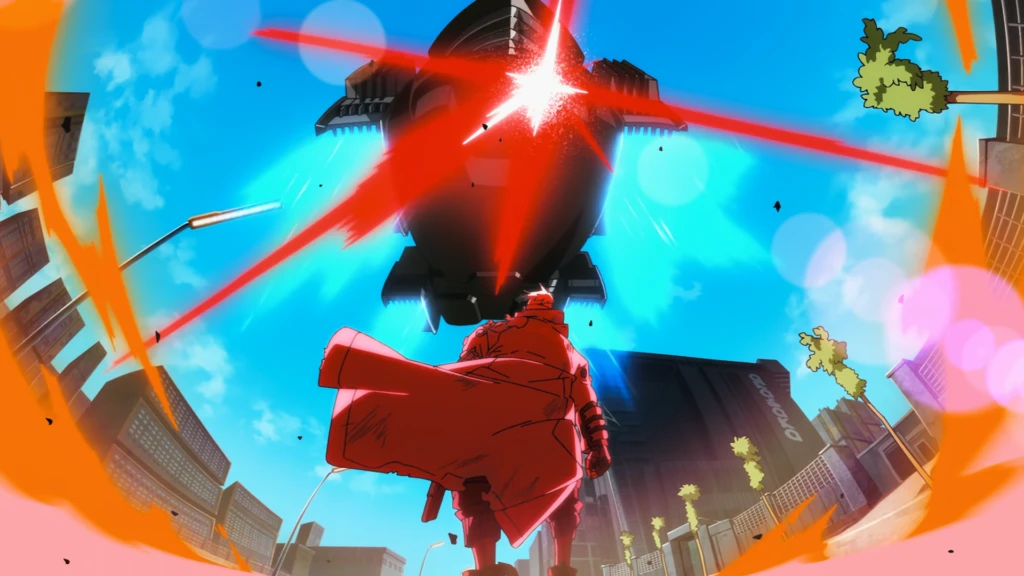
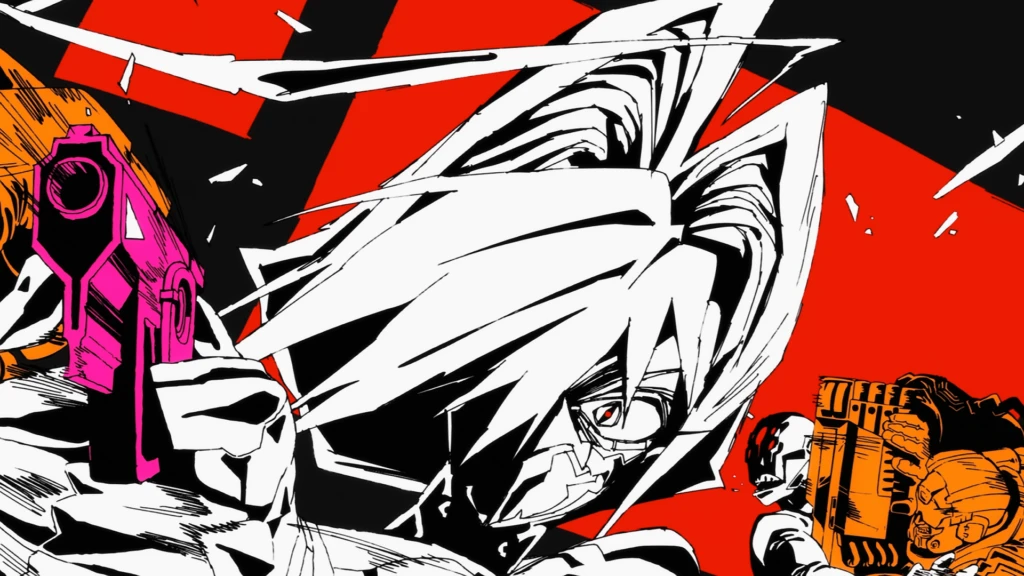
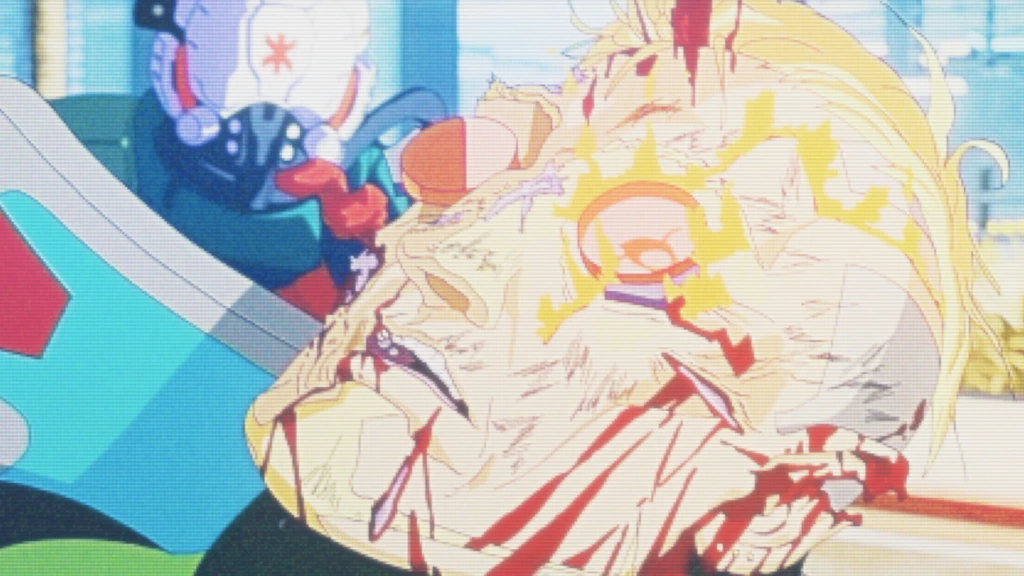
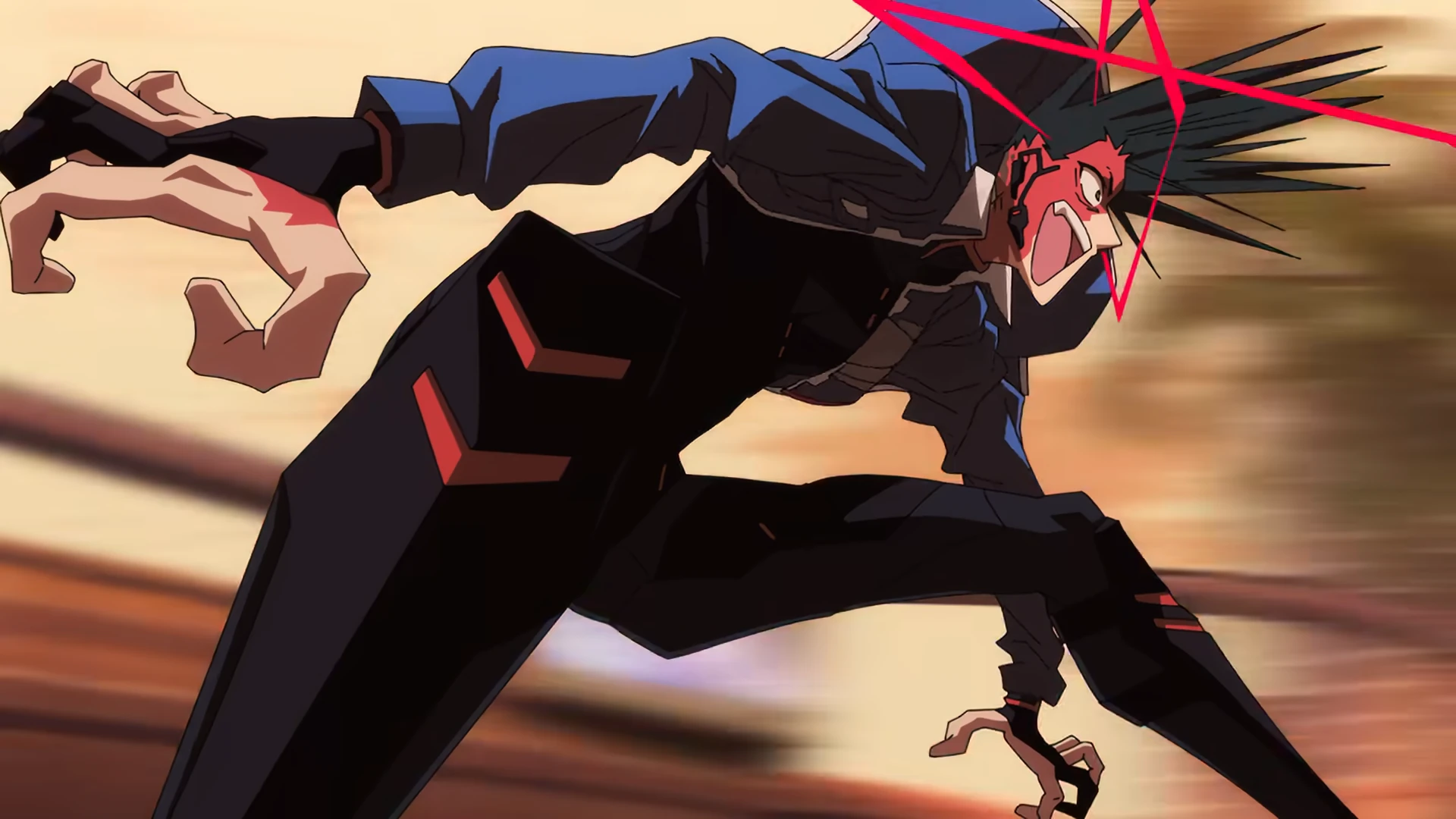
The combat choreography proved equally entertaining. I relished the hyperbolic intensity of certain clashes, characterised by exaggerated motions and visceral displays of abilities. Even during moments of reduced character investment, the animated action maintained my enthusiasm for what lay ahead. TRIGGER once more excelled at translating the frenzy of Night City into an engaging visual experience.
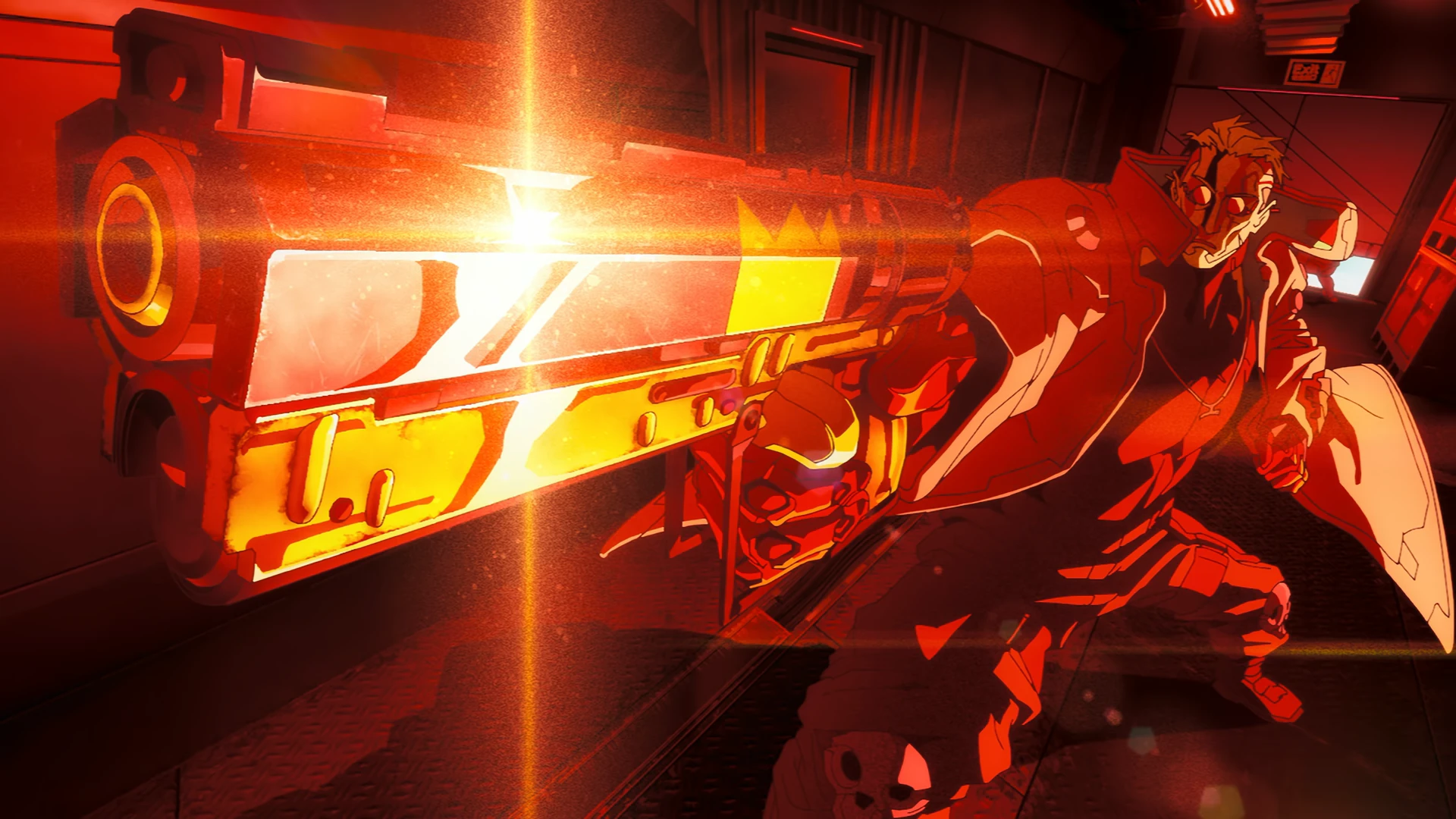

The soundtrack matched the high standards set by Season 1 as well. Music was seamlessly integrated from the outset, never seeming discordant, and I frequently found myself noticing the background tracks. The overall audio composition lived up to prior expectations, and the concluding piece, “In Love With Myself” by Kalman Chodakiewitz, notably amplified the emotional impact of D’s final moment.
Conclusion
Despite my criticisms concerning narrative and character development, I ultimately found pleasure in watching the series from beginning to end. The animation and soundtrack remained consistently impressive, and each individual storyline introduced compelling concepts, even if execution fell short of full potential.
In conclusion, CYBERPUNK: EDGERUNNERS 2 stands as a recommended anime offering an entertaining narrative paired with spectacular action sequences. My primary challenge stemmed from Season 1’s profound impact, which set an elevated emotional benchmark I struggled to match in the follow‑up.
Thus, approaching the new season as an independent exploration of the Cyberpunk 2077 universe—rather than measuring it against the benchmark of the first season—seemed the most productive perspective, given that earlier entry established an exceptionally high bar in my view.
Baca juga Anime lainnya di Info Anime & manga terbaru.
terimakasih sudah mengunjungi thecuy. 🙂

Saya adalah penulis di thecuy.com, sebuah website yang berfokus membagikan tips keuangan, investasi, dan cara mengelola uang dengan bijak, khususnya untuk pemula yang ingin belajar dari nol.
Melalui thecuy.com, saya ingin membantu pembaca memahami dunia finansial tanpa ribet, dengan bahasa yang sederhana.