
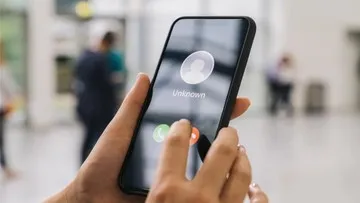
Guys, have you ever gotten a WhatsApp message pretending to be from a bank, a parcel courier, or a government agency like the tax office or even the police? The message looks convincing, using official logos, even mentioning our identity correctly. Even so, don’t rush to reply!
Now, the modus operandi of fraud is getting more varied. Therefore, we can no longer rely solely on the appearance of a message to determine whether the information is true or false. According to the Cybersecurity and Infrastructure Security Agency (CISA), there are several important things you need to check before responding to messages from unknown numbers or accounts.

Let’s, recognize the characteristics of fraudulent messages so that you and your family don’t become victims!
1. Pesan Menggunakan Identitas Lembaga Resmi
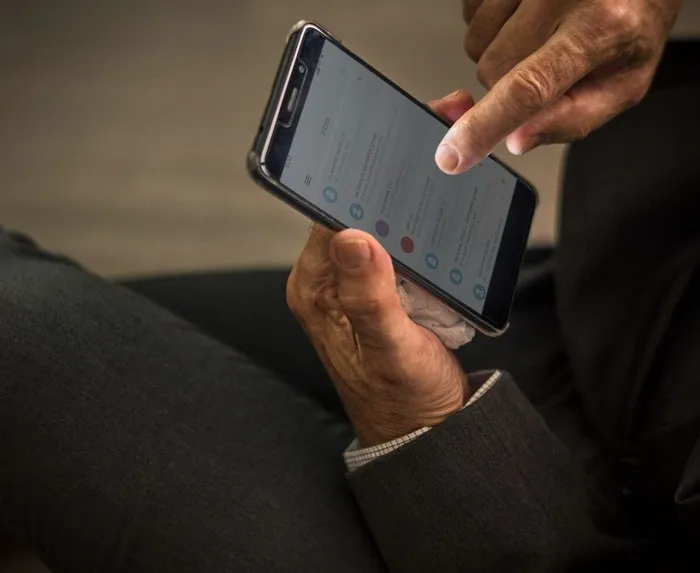

Illustration of reading a message / Photo: Magnific.com/Magnific
The most common fraud modus operandi is using the identity of a party already known to the public. They could pose as bank officials, customer service, police, tax authorities, courier companies, or other government agencies. The name, profile picture, logo, and message format are designed to resemble official communication.
What’s currently trending is receiving messages claiming to be from a courier or other parcel delivery service. The sender says the package cannot be delivered due to a problem with the package details exactly as we ordered. Because we feel we are waiting for a package, we might immediately believe and follow the instructions to answer the phone, fill in data, or click on certain links.
In fact, the identity displayed in the message may not be real. The profile picture and account name can be made to resemble an official party. Therefore, it’s better for you to verify again through an official website or service number on a trusted application and ask directly, okay!
2. Menggunakan Kalimat Mendesak
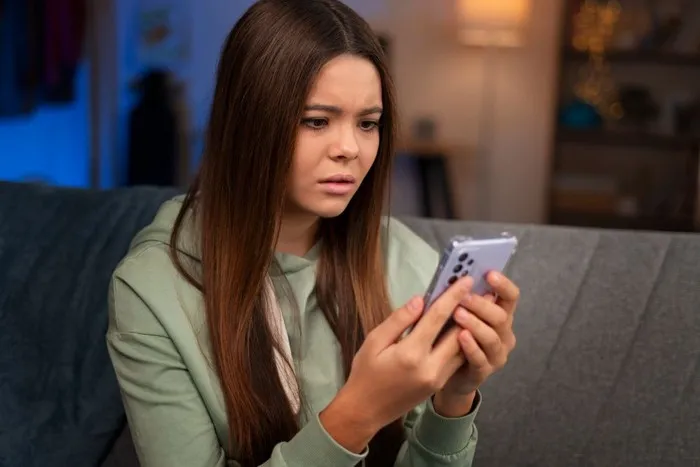
Illustration of a panic expression / Photo: Magnific.com/Magnific
Other characteristics of digital fraudulent messages are that they often say that the account will be blocked, the account will be deactivated, or the package will be returned if confirmation is not made immediately. They ask you to act immediately because it’s an emergency, asking for help with pleading sentences, and so on. Sentences like this are often used to make the recipient feel they have to act right away.
When someone feels panic, they tend to be more easily follow instructions without considering the risks. This is what the perpetrators exploit. They want the victim to immediately fill out a form, send a certain code, or make a payment.
You need to be careful if a message continues to press us to act within a short time. Take the time to check the information through official channels. An urgent request does not mean it must be immediately trusted, okay!
3. Menyertakan Tautan atau Lampiran yang Mencurigakan
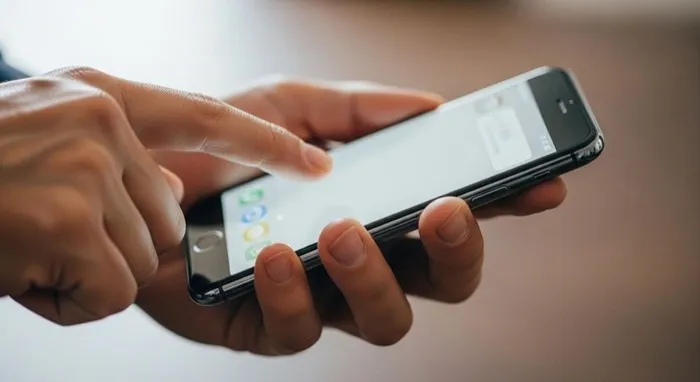
Illustration of clicking on an unknown link / Photo: Magnific.com/wahyu_t
Have you ever received a message on SMS or WhatsApp from someone containing a link or a PDF file? Whether the link is written suspiciously or even uses an address almost resembling an official party.
This digital fraud modus operandi is known as phishing. When you click on that link, you will be taken to another page that you don’t recognize. You might be asked to fill in data or get trapped on a website that suddenly drains our account balance.
Guys, this is very dangerous because the perpetrators may also use it to take over accounts. In addition, the file could contain malicious programs that risk accessing or damaging data on the device.
Therefore, don’t just click on links or download files from senders whose identities you cannot confirm. If you want to check information, it’s safer to open the official application or website directly.
4. Meminta Data Pribadi, PIN, atau Kode OTP
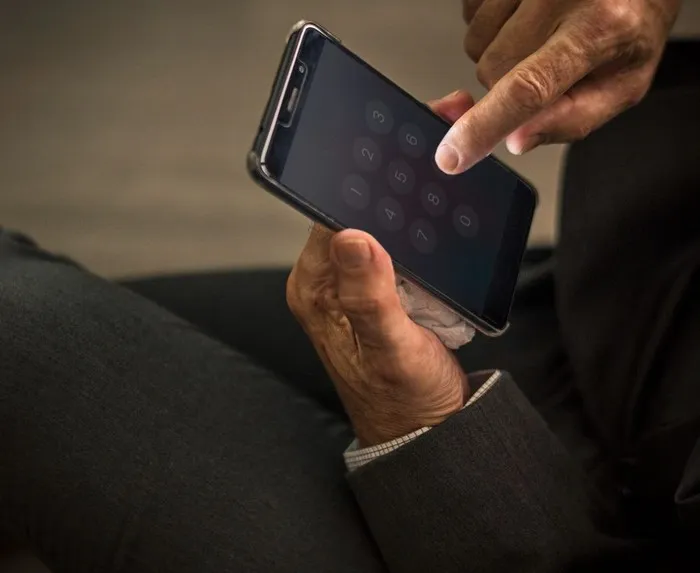
Illustration of entering a code / Photo: Magnific.com/rawpixel.com
Fraudulent messages don’t always directly ask for money. There are also perpetrators who try to obtain personal information to take over accounts or make transactions without the owner’s knowledge.
Some information that often become targets are identity numbers, account data, passwords, PINs, and OTP codes (One-Time Password). The perpetrators may claim to be bank officials or customer service agents assisting with account verification processes.
For example, someone contacts you and says there is a suspicious transaction. To cancel the transaction, he requests the OTP code that has just arrived via SMS. In fact, the code can be used to complete the login process or confirm certain transactions.
Remember, never give your PIN, password, or OTP code to anyone!
5. Menggunakan Foto, Suara, atau Video Palsu dengan Bantuan AI

Illustration of AI misuse / Photo: Magnific.com/DC Studio
The development of AI technology brings many conveniences, but it can also be misused by digital crime perpetrators. One example is the use of deepfake technology, a technique that can manipulate someone’s face or voice so that it looks or sounds like a real person.
Imagine you receive a video call from someone whose face resembles a family member. That person claims to be experiencing problems and asks for some money for urgent reasons. If we are not careful, we might immediately believe it because we feel we recognize the face or voice.
Moreover, digital fraud can also occur by suddenly calling your number. Then, if you choose to respond to the call and you utter a single word, that will even be processed for data extraction and other fraud.
So, don’t easily answer the phone, let alone a video call from unknown people, okay!
6. Tata Bahasa yang Terlalu Sempurna atau Justru Janggal
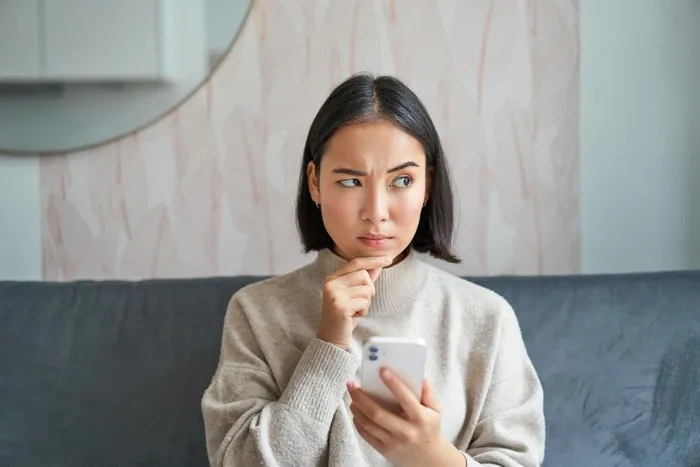
Illustration of reading suspicious messages / Photo: Magnific.com/benzoix
Both in the past and present, perpetrators can use AI technology or translation tools to create messages with tidy, formal language, even resembling official letters from certain companies or institutions. Conversely, there are also messages that use unnatural sentences, many typos, and irregular punctuation.
In addition to paying attention to the content of the message, you also need to check the link address included. Perpetrators can create a website address that looks similar to an official website, but actually has a small difference, such as an extra letter, number, or intentionally altered spelling. For example, the name of a popular site is written with one different letter so that the recipient does not realize that the link leads to a fake page.
Guys, the further it goes, the harder digital fraud is to recognize. Block and report suspicious accounts or use the reporting feature on the application so that similar messages can be followed up.
If you have already provided account information or made a transfer, immediately contact the bank or related service provider for account security assistance. Save evidence if there is suspicion of fraud. Don’t rush to delete conversations, sender numbers, links, or transaction evidence if there has been a loss.
__
Want to be part of Buzznesia Community where you can join various exciting online and offline events held by Buzznesia/Beautynesia? This community is open to the public, both men and women, we also have a special community for you who are still students/students. Come on, join Buzznesia Community. How to DAFTAR DI SINI!
(ria/ria)
terimakasih sudah mengunjungi thecuy. 🙂

Saya adalah penulis di thecuy.com, sebuah website yang berfokus membagikan tips keuangan, investasi, dan cara mengelola uang dengan bijak, khususnya untuk pemula yang ingin belajar dari nol.
Melalui thecuy.com, saya ingin membantu pembaca memahami dunia finansial tanpa ribet, dengan bahasa yang sederhana.