
TASIKMALAYA, Thecuy.com – The dangers of fake news, cyberbullying, digital fraud and online gambling pose challenges that young people must watch out for amid the increasingly widespread use of technology. Therefore, digital literacy among students needs to be built not only in terms of the ability to use devices, but also in terms of awareness of maintaining security and ethics in the digital space.
This was one of the messages delivered during the Kompak Digital (Kominfo and Student Digital Literacy Collaboration) event, organised by the Tasikmalaya City Communication and Information Service (Diskominfo) at SMA Negeri 4 Tasikmalaya City on Thursday (12/11/2026).
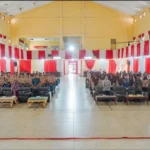
The activity, which targeted tenth-grade students, was attended by hundreds of students. The programme is part of an effort to improve students’ digital skills and security through education on the use of technology that is smart, productive and responsible.
Senior activist criticised the student demonstration on Otista Street in Tasikmalaya, whose location is close to a hospital and a school. 23 participants, 3 selectors! The competition for the selection of Baznas City Tasikmalaya leadership has begun to take shape.

The Secretary of the Tasikmalaya City Regional Office, H Asep Goparulloh, said that the digital space has now become part of students’ daily lives. The internet is not only used for searching learning materials, but also for communication, developing interests, and presenting works.
However, behind these various conveniences, there are a number of risks that need to be understood. These include the spread of false information, cyberbullying, digital fraud and invitations to online gambling.
“Students need to understand that uploads, comments and data shared can affect their safety, relationships with others, and their future,” the Sekda said in his speech.
He explained that, through Kompak Digital, students were introduced to four pillars of digital literacy summarised in the CABE concept, namely Capability, Security, Culture and Ethics.
Capability means being able to use technology for learning and creating. Security relates to the ability to protect accounts, safeguard personal data, and recognise fraud and harmful content.
Meanwhile, Culture encourages productive and responsible digital habits, while Ethics emphasises the importance of politeness and respect for others when interacting in the virtual world. Not only that, he encouraged the use of the internet as a means to develop potential and creativity.
“Use the internet to develop potential. Create works that support learning, introduce local culture, or invite friends to do something useful,” he said.
Read other news at News Page. Thank you for visiting thecuy . 🙂

Saya adalah jurnalis di thecuy.com yang fokus menghadirkan berita terkini, analisis mendalam, dan informasi terpercaya seputar perkembangan dunia finansial, bisnis, teknologi, dan isu-isu terkini yang relevan bagi pembaca Indonesia.
Sebagai jurnalis, saya berkomitmen untuk:
Menyajikan berita yang akurasi dan faktanya terverifikasi.
Menulis dengan bahasa yang mudah dipahami, namun tetap menjaga integritas jurnalistik.
Menghadirkan laporan mendalam yang memberi perspektif baru bagi pembaca.
Di thecuy.com, saya tidak hanya melaporkan berita, tetapi juga berupaya menganalisis tren agar pembaca dapat memahami konteks di balik setiap peristiwa.
📌 Bidang Liputan Utama:
Berita Terbaru & ekonomi, keuangan.
Perkembangan teknologi dan inovasi digital.
Tren bisnis dan investasi.
Misi saya adalah membantu pembaca mendapatkan informasi yang cepat, akurat, dan dapat dipercaya, sehingga mereka bisa membuat keputusan yang lebih cerdas dalam kehidupan sehari-hari maupun dunia usaha.
📞 Kontak
Untuk kerja sama media atau wawancara, silakan hubungi melalui halaman Kontak thecuy.com atau email langsung ke [email protected].