
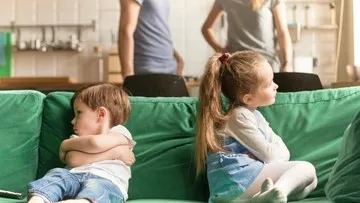
Guys, have you ever felt that your relationship with your older or younger sibling was awkward, or even harbored resentment that persisted into adulthood? It turns out that these feelings can be influenced by how parents treated us when we were young.
One of them is the habit of repeatedly assigning specific roles, such as considering the eldest child must always give in or the youngest child does not yet need to be given responsibility.

Summarized from an article on HuffPost, this role‑sharing habit can trigger jealousy, anger, and even hatred among siblings that carries over into adulthood. Come on, let’s check out the full review according to the following psychology experts!
                                                                                                                                                                                            <section id="section-detail-2" class="multi-card " data-page="2" data-page-title="Peran Anak dalam Keluarga Bisa Terbentuk Tanpa Disadari" dtr-evt="halaman selanjutnya" dtr-sec="halaman selanjutnya" dtr-act="tombol halaman selanjutnya" dtr-id="325699" dtr-ttl="Peran Anak dalam Keluarga Bisa Terbentuk Tanpa Disadari" onclick="_pt(this)" readability="20.5">
                            <h2 class="fw-bold fs-5">The Role of Children in the Family Can Form Without Realizing It</h2>
                            <div readability="8">
                                <img src="https://akcdn.detik.net.id/visual/2026/10/14/contoh-pembagian-peran-anak-yang-terbentuk-yakni-anak-yang-jadi-penanggung-jawab-menjaga-adiknya-foto-pexelsolia-danilevich-1792057263751.jpeg?w=700&q=90" alt title/>
                                <p>An example of a child's role formation is the child who becomes the guardian responsible for looking after a sibling/ Photo: Pexels/Olia Danilevich</p>
                            </div>
                            <p>Role division occurs when parents unintentionally assign certain labels to children, ranging from the responsible one, mediator, troublemaker, to the child who always gives in to avoid conflict.</p>
Emily Waitt, clinical director at Kincove, explains that this role emerges naturally as a response to personality, birth order, and family dynamics. The most common pattern occurs when one child is considered the source of problems, while other children are labeled as obedient. Unfortunately, the child considered obedient usually receives less emotional attention because parents assume they are fine.

Why Can This Habit Trigger Hatred Until Adulthood?
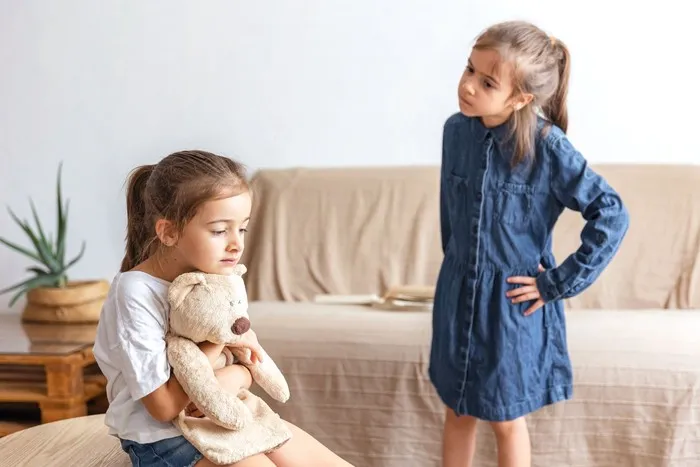
Assigning roles to children can trigger hatred and rivalry among siblings/ Photo: Magnific/pvproduction
Raffi Bilek, a family therapist and director of Baltimore Therapy Center, reveals that role division can trigger competition among children for parental love.
This habit also makes children carry burdens they never asked for. A child who is always asked to give in feels their needs are ignored, while a child who is constantly considered a troublemaker feels they are not given a chance to change. Both can feel that their sibling receives more favorable treatment.
This hatred often persists into adulthood. Parents tend to maintain this pattern to keep family dynamics feeling orderly. Meanwhile, for the siblings, past wounds make them find it difficult to see their brother or sister as they are today. As a result, when they gather at family events in adulthood, the old patterns and the same pain will be triggered again.
Signs that Parents Are Actually Reinforcing Roles in Children
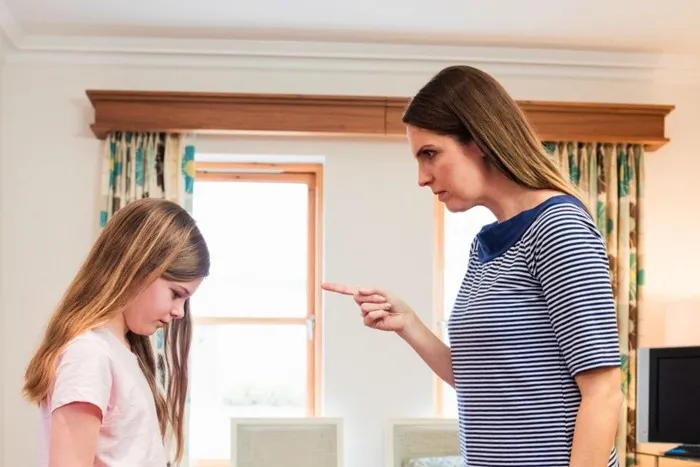
Parents’ language and expectations can reinforce role labels on children/ Photo: Magnific/peoplecreations
Parents’ language and expectations often unconsciously reinforce roles in children. Sentences like “You’re much more mature than your younger sibling, so mom asks you to give in, okay,” may sound like a compliment. However, according to Waitt, this can make children think that their feelings and needs are less important because they are expected to always understand.
Rod Mitchell, clinical psychologist at Emotions Therapy Calgary, says that the expectation to always be a good example can make children feel pressured. Their behavior is no longer their own, but something that is constantly judged. The problem becomes bigger when this role sacrifices their personal needs. At this point, the child is no longer just helping, but has entered the parental role.
There are some signs parents can notice when this happens. First, automatic prejudice arises, when parents immediately decide which child is at fault before asking for the chronology of events. The use of repetitive phrases such as “as usual” or “you’re always like that” also reinforces this role. Another sign is when the child begins to adopt the role, such as calling themselves a troublemaker or nicknaming their sibling a smart child.
How to Help Children Get Out of a Role That Has Already Stuck
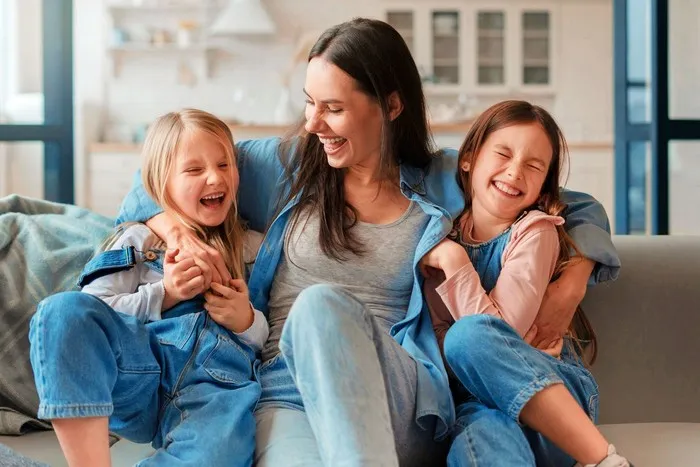
Parents can still help children get out of a role that has already stuck/ Photo: Magnific/pikisuperstar
Parents can start by openly acknowledging this pattern in front of the child briefly in under two minutes, such as: “So far we have treated you like a child who must always be responsible, and your sibling like a child who is free from rules. That is unfair, and from now on we will change it.”
Next, give the child a chance to take a break from that role. Tell the eldest child, “Tonight mom will take care of your younger sibling, you can relax!” Then, give a lighter task to the younger sibling, such as choosing a family movie or feeding the pet. This step signals that the role in the family can shift.
Finally, pay attention to the choice of words when giving praise and reprimands. Praise their effort (“You’ve worked hard to complete your task”), not their identity (“You’re indeed the most responsible child”).
When reprimanding, focus on behavior and rules that are violated without bringing up birth order factors. For example, “You know the rules about grabbing toys, and mom asks you to obey them.” Thus, each child can still learn responsibility without being bound by a harmful label.
***
Want to be part of the Buzznesia Community where you can join various exciting online and offline events held by Buzznesia/Beautynesia? This community is open to the public, both men and women, and we also have a special community for you who are still students. Come on, join the Buzznesia Community. How to: REGISTER HERE!
<p>(naq/naq)</p>
terimakasih sudah mengunjungi thecuy. 🙂

Saya adalah penulis di thecuy.com, sebuah website yang berfokus membagikan tips keuangan, investasi, dan cara mengelola uang dengan bijak, khususnya untuk pemula yang ingin belajar dari nol.
Melalui thecuy.com, saya ingin membantu pembaca memahami dunia finansial tanpa ribet, dengan bahasa yang sederhana.