
While at the German anime convention AnimagiC, we got a chance to interview Tsumuji Yoshimura, the creator of the manga Just Like Mona Lisa , Mitsutoshi Kubota, CEO of Studio SHAFT, and Manami Kabashima, a producer at CyberAgent. The discussion focused on the upcoming anime version, which was initially codenamed “Project M.” The team also participated in a panel where they premiered the first teaser, announced the principal staff, and disclosed the cast.

During this conversation, the creators explained how important overseas viewers are to their plans and why Studio SHAFT and CyberAgent decided to bring the series to screen.

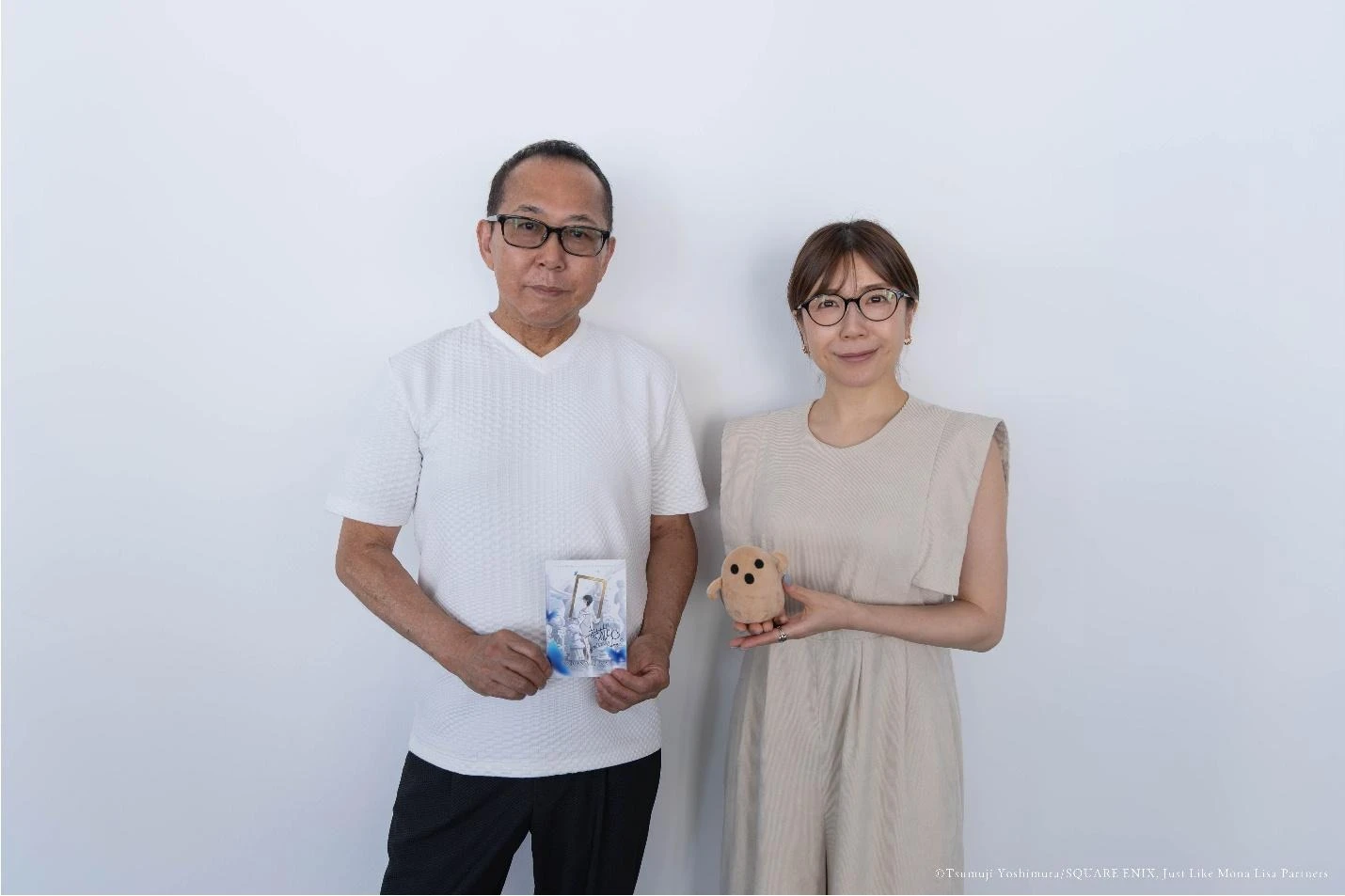
Segments of this interview were trimmed for brevity and edited for clarity. The conversation was facilitated by an interpreter.
Q: The debut of the inaugural trailer for Just Like Mona Lisa is taking place in Mannheim during this event instead of in Japan, which is quite unusual for a TV anime. Kabashima-san, could you explain why AnimagiC was selected as the venue for this trailer unveiling?
Kabashima-san: We learned that the manga enjoys strong popularity in Germany. It felt natural to debut the teaser where the source material already has such enthusiastic support and a dedicated fan base.
Q: Yoshimura-sensei and Kubota-san, how do you feel about seeing the trailer presented at AnimagiC in Mannheim, Germany?
Kubota-san: Since I’d heard the manga is hugely popular in Germany, I was eager to see how the fans would react. They were an incredibly friendly crowd and clearly adore the series.
Yoshimura-sensei: I was concerned that attendees might be unfamiliar with the manga [laughs]. However, when the moderator asked who was aware of it, many hands went up, which was a relief. During my live sketch at the panel, I received a great deal of encouragement.
I was also struck by the sheer number of fans lining up early at the convention entrance. It was wonderful to see how eagerly Japanese anime is appreciated by the local audience.
Q: Could you describe the distinctive concept behind Just Like Mona Lisa and share what inspired you to develop its setting?
Yoshimura-sensei: As I said earlier, it’s a charming narrative where the protagonist receives affection from both a male and a female interest. I initially imagined it as a three‑person romantic comedy, but having Hinase be desired by only one person felt imbalanced. So I decided the lead should be genderless, aiming to showcase love and affection transcending gender boundaries.
Q: The series is known for its turquoise highlights on otherwise black‑and‑white pages; you mentioned being intrigued by how that would look in animation. After reviewing the work they’re supervising, how do you feel SHAFT has handled this visual style?
Yoshimura-sensei: I’m very pleased with the anime and its teaser, especially the meticulous detail they’ve put into it. It looks fantastic. In the manga, the color isn’t just for scenic moments; it also appears when Hinase is unwell or experiencing other emotions, making it a crucial storytelling device. I’m eager to see how that’s integrated into the animated version.
Kubota-san: Thank you very much!
Q: Hinase’s indecisiveness has struck a chord with readers worldwide, as this weekend’s events have shown. Were you surprised by the overseas reaction, and has it altered your perspective on the themes you explore?
Yoshimura-sensei: Naturally, cultural differences exist—German perspectives differ from Japanese ones, which influences how we think. Yet within Japan, individuals also hold varied viewpoints. I’m interested to see how both the manga and the upcoming anime will be received by this audience. Moving forward, I hope these insights will inform my approach to future projects.
Q: Your first works, UNKNOWN and Classi9, were published in Monthly Shonen Gangan starting in 2013. In retrospect, what lessons from those titles helped pave the way for Just Like Mona Lisa?
Yoshimura-sensei: While my earlier series differ significantly from Just Like Mona Lisa, I noticed in Classi9 that the androgynous character attracted the most attention rather than the protagonist. That experience led me to think, “Perhaps this time I should make the lead character genderless.”
Q: Kubota-san, SHAFT is known for its signature visual style—characteristic head tilts, abstract elements, and vivid color fields seen in works like Monogatari and Madoka Magica. What aspects of Just Like Mona Lisa made you feel it was a project suited for SHAFT?
Kubota-san: Because we’re a compact studio, we select our projects carefully and can’t take on many at once. For us, Just Like Mona Lisa stands out as a significant undertaking because of its emphasis on color. In the manga, hue is essential—characters convey feelings through it. We saw an exciting opportunity to translate that visual language into animation.
Q: This series is being released during SHAFT’s 50th anniversary. How does this project reflect the studio’s direction at such a significant milestone—maintaining continuity or exploring new avenues?
Kubota-san: While 50 years feels like a major milestone, it’s really about where we set our sights going forward. Our focus is always on discovering fresh methods of storytelling and visual direction. Naturally, we build on the expertise accumulated over the decades, but we also seek new inspirations. The pursuit of innovative expression remains our constant drive.
Q: The original work centers on subtle inner moments—hesitation, ambiguity, and the quiet spaces between characters. How does a studio like SHAFT, recognized for its exuberant visual style, adapt such a restrained narrative?
Kubota-san: Animation is a form of entertainment that conveys a wealth of detail. That’s why we lean into visual richness; viewers can re‑watch an episode and uncover fresh nuances hidden throughout.
Our current difficulty lies in blending visual richness with the story’s subdued tone. I believe we can do this by creating intricate illustrations while still delivering ample emotional content. Music, among other tools, offers another channel for expressing feelings.
Because the production is demanding, we’re experimenting with fresh techniques. Every department is devoted to shaping this subdued yet layered narrative. We’re heavily investing our skills and technology to deepen character sensitivity, thereby embedding plenty of nuance into the animation.
Q: Kabashima-san, CyberAgent teased this adaptation for a year as “Project M” at Anime Expo 2025 before the full reveal. From a producer’s perspective, what did that long runway of secrecy accomplish?
Kabashima-san: Since the manga’s story is complete, a conventional launch didn’t seem necessary. We used the label “Project M” to signal a fresh start for the anime adaptation, debuting it at Anime Expo 2025. Our approach is to roll out the news internationally first, gathering overseas reactions and insights before bringing them back to Japan.
Q: Choosing a European convention for the trailer and cast premiere signals a very deliberate international strategy. How central is the overseas audience to your strategy for the positioning of this series?
Kabashima-san: We weren’t targeting a single nation, but AnimagiC stands out for its intense fan enthusiasm. It feels like the perfect launchpad for our global promotional push.
Q: What drew CyberAgent to this particular manga among Square Enix’s publishing catalog—the illustrations, the themes, or something else?
Kabashima-san: We saw universal emotions in love, affection, and longing. By showing how every character navigates their personal challenges, we wanted to create an anime that resonates with viewers around the world, which is why we selected this project.
Q: What can fans look forward to next from Just Like Mona Lisa after AnimagiC? Is there anything you’d like to say to the German and international audiences here today?
Yoshimura-sensei: The teams at both CyberAgent and SHAFT have poured their hearts into creating something truly beautiful; I urge you to stay tuned.
Kubota-san: Our narrative centers on a genderless protagonist, set in a fictional world that diverges from reality. I believe teenagers everywhere can connect with that experience.
Adolescence brings many roles—friendships matter, doubts and joys arise. At its heart, the series captures teenage everyday life. There’s no need for deep analysis; just embrace the characters. I hope you’ll enjoy it.
Kabashima-san: My wish is for this work to spark conversation across nations. Please keep an eye on its final release.
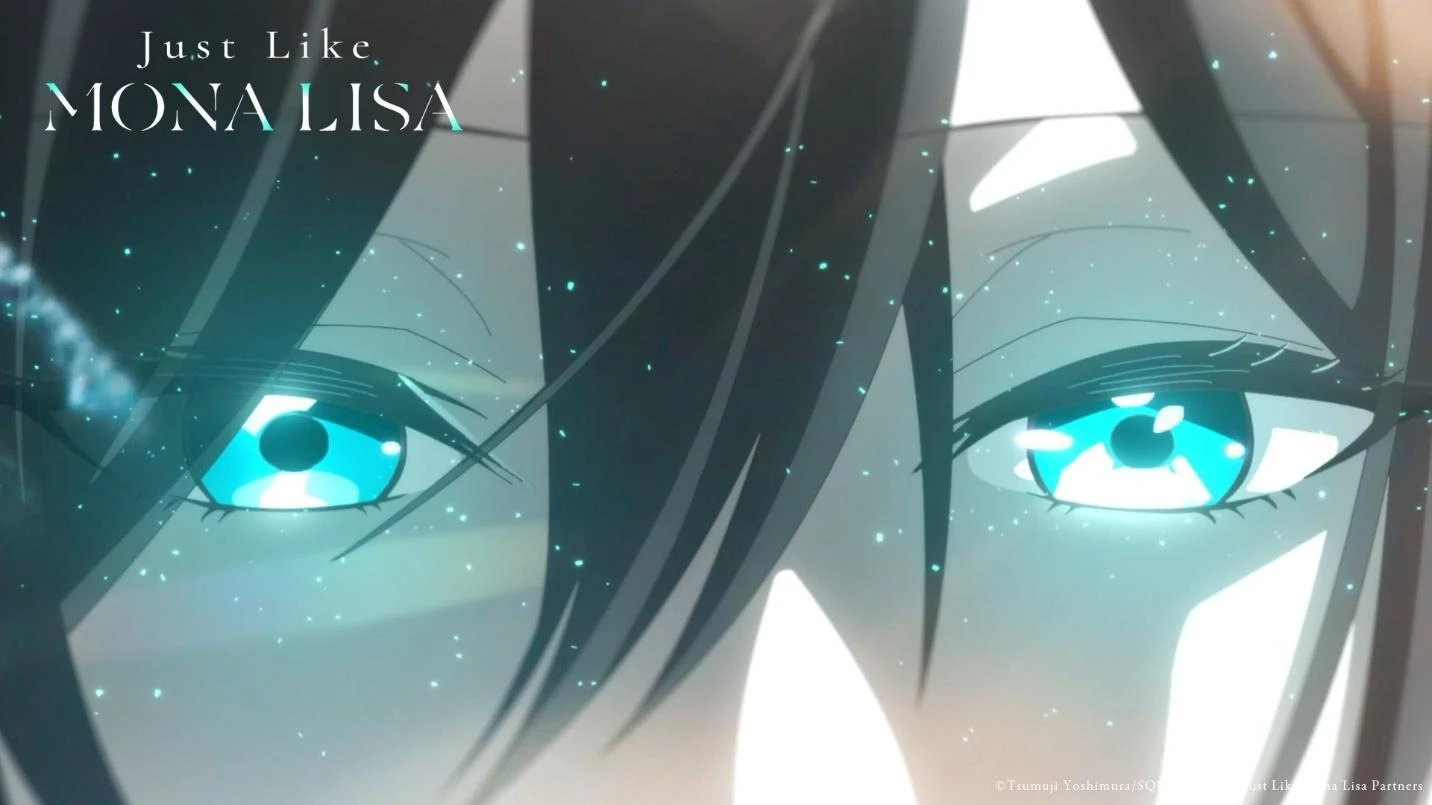
We sincerely appreciate Yoshimura-sensei, Kubota-san, and Kabashima-san for sharing their time with us while attending AnimagiC. We look forward to the possibility of crossing paths again in the future.
Be sure to follow Anime Corner for the latest news on the adaptation; we’re confident you’ll love it!
©Tsumuji Yoshimura/SQUARE ENIX, Just Like Mona Lisa Partners
Explore more anime titles at Latest anime & manga info.
Thanks for stopping by thecuy. 🙂

Saya adalah penulis di thecuy.com, sebuah website yang berfokus membagikan tips keuangan, investasi, dan cara mengelola uang dengan bijak, khususnya untuk pemula yang ingin belajar dari nol.
Melalui thecuy.com, saya ingin membantu pembaca memahami dunia finansial tanpa ribet, dengan bahasa yang sederhana.