
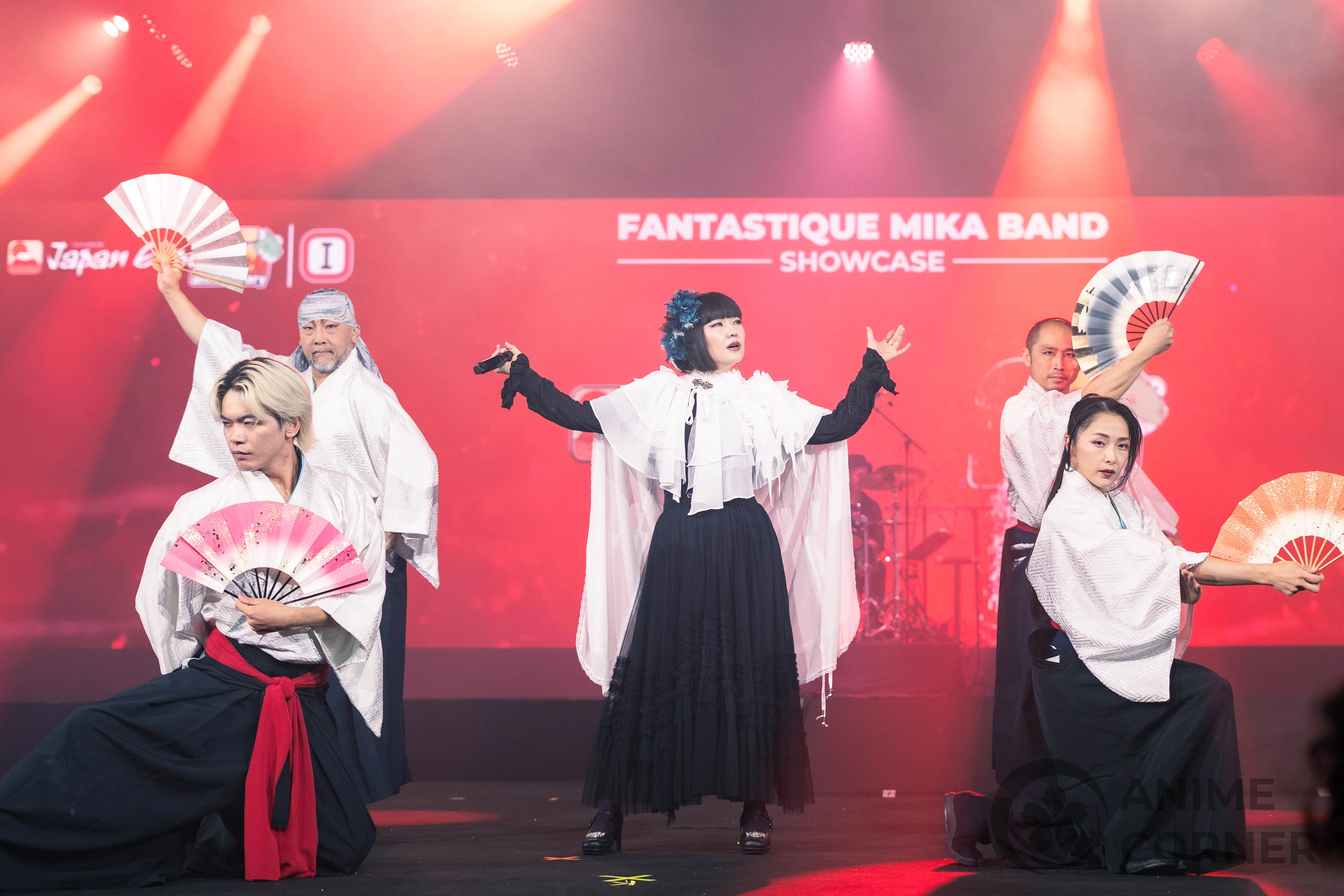
We enjoyed sitting down with singer‑songwriter Mika Kobayashi on her seventh appearance at Japan Expo Paris. During the event she performed several shows, such as a collaboration with the samurai group KAMUI and a joint set with the “Eurasian rock” act STARRYSKY at Anisong Festa, the convention’s headline music showcase.

She is a familiar face in anime circles, lending her voice to scores written by Hiroyuki Sawano for series like Attack on Titan, Kill la Kill, Kabaneri of the Iron Fortress, Guilty Crown, Blue Exorcist, and Aldnoah.Zero. The conversation explores her work with anime projects and her perspective on the broader music business.

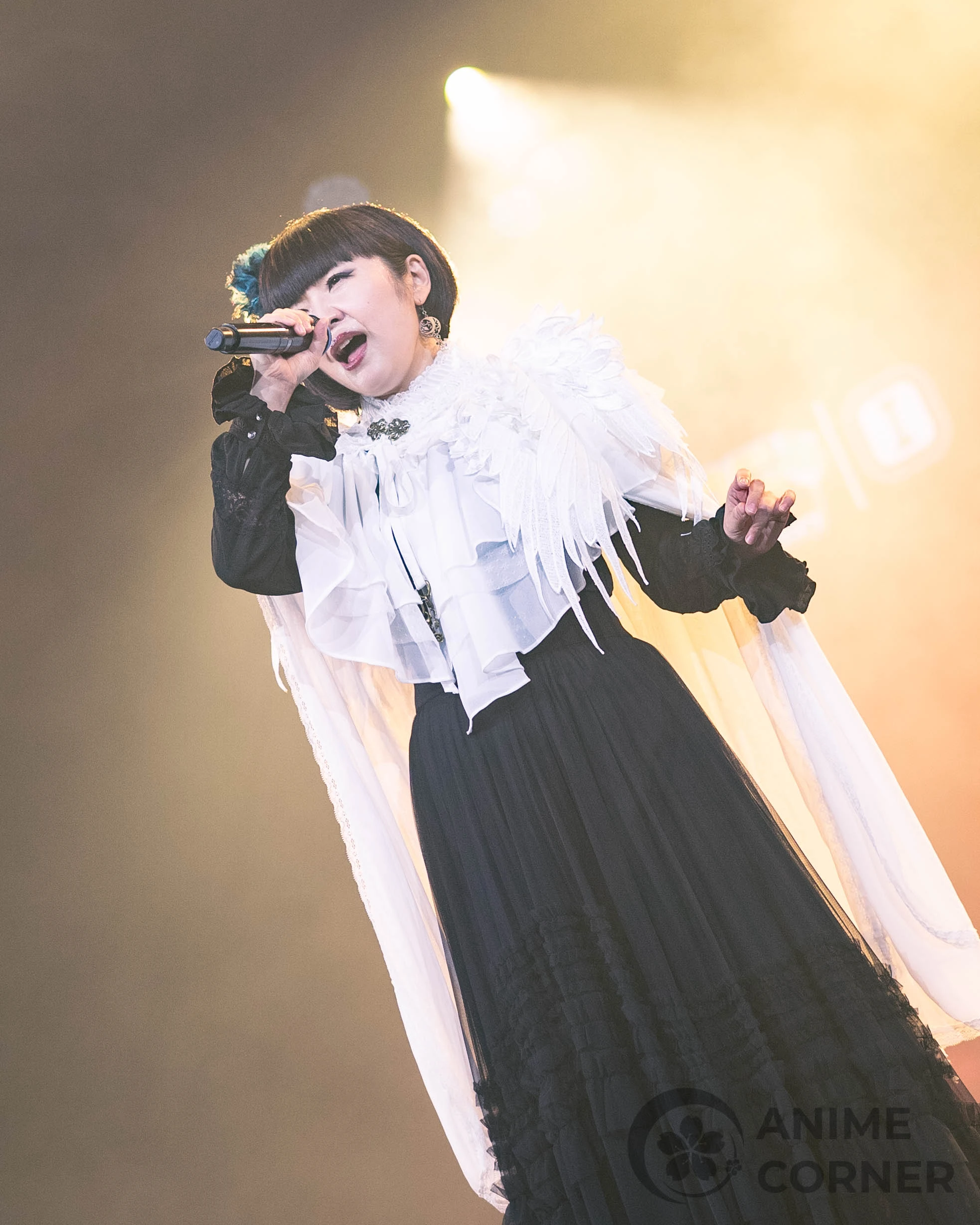
Parts of this interview were tweaked a bit for smoother reading. The discussion was carried out with the help of a translator.
Q: Ms. Kobayashi, should you get the chance to helm an anime, which genre would you choose?
A: That’s an interesting query! I might lean toward horror.
Q: I saw your act with KAMUI earlier. In your view, does traditional Japanese music echo the bushido spirit?
A: Perhaps it did long ago. However, with the spread of American culture, the music scene in Japan has become more globally focused.
Q: This marks your seventh Japan Expo Paris. How have your tours abroad been shaping up for you?
A: Performing overseas, I’ve noticed the crowds are usually very straightforward. Fans voice their thoughts and openly show enthusiasm, even if they’re unfamiliar with you or your songs.
Q: Last year I spoke with Mr. Nakashima, the playwright of Gekidan☆Shinkansen. At that gathering, the play Tengosei: Shaman Star was shown as a film. Do you think musical performances that embody bushido are similar to theatrical ones? If so, what sets them apart?
A: In theater you usually have a narrative planned to unfold over two hours or more. When I belt out songs alongside groups like KAMUI, I act more like a narrator expressing the samurai’s inner emotions.
Q: What led you to go solo and set up your own imprint, miccabose?
A: The biggest perk of independence is the freedom to decide and handle everything yourself. If you’re tied to another label, you have to juggle other people’s agendas.
Q: What makes your voice feel suited for battle and high‑octane anime scenes?
A: I’m not sure myself [chuckles]. I believe my voice is quite powerful. Fight music lets you convey a spectrum of emotions—rage, sorrow, etc.—which I can draw from personal experience.
Q: You once said you imagined yourself as a titan while singing “Attack on Titan.” What feelings are you aiming to share through that track?
A: During the recording, composer Hiroyuki Sawano explained the story centered on titans and what emotions to express. I thought, “I’ve never seen a titan—what would that feel like?” [laughs]. The characters didn’t choose to become titans; it was their destiny. The struggle against fate really resonated with me.
Q: The song “Bauklotze” features German vocals. Did you need to study German culture, or did the composer give you all the details?
A: The composer chose German because it’s a language most Japanese aren’t fluent in, making it less straightforward. Its obscure quality creates a mysterious vibe that can convey deep emotions no matter the setting or era.
Q: Are there other languages you’d like to sing in that you haven’t tried yet? How did you start using so many tongues—English, German, Italian, Spanish?
A: Touring different nations made me realize that even one language can stir feelings, yet an artist might feel a little empty. Performing in the local language bridges the gap between me and the crowd. Going forward, I plan to keep singing in each country’s language while also using endangered tongues to help preserve them.
Q: Peru also has many languages at risk of vanishing.
A: I intend to incorporate them!
Q: We’d love to have you in Peru!
A: I’ll be heading to Peru for the first time in November [Kobayashi-san will hold a concert in Lima, Peru on November 14].
Q: Turning to your work on the anime Kill la Kill, the track “Before my body is dry” surely uplifts, reflecting Ryuko and Senketsu’s goals. What were you thinking when you sang it? Did you draw from any personal experience?
A: When I got the song from the composer, I didn’t know which anime it was for. I leaned on the power of the tune itself, so I’m happy it fit the anime’s spirit.
Q: Did you anticipate that the line ‘Don’t lose your way’ would become the song title for many fans? Why do you think that happened?
A: I think that phrase makes a good title too! [laughs] Yes, I expected it and it feels right for the track.
Q: One of my favorite soundtrack songs is “Through My Blood” from the anime Kabaneri of the Iron Fortress. Since that series also shows an apocalyptic world similar to Attack on Titan, did you use that as a reference when performing?
A: I wasn’t aware of that connection when I first sang the song, but the teams behind Attack on Titan and Kabaneri of the Iron Fortress, including the composer, are the same. Their styles are similar, so it’s nice if listeners notice.
Q: Was it hard to convey emotions with the full English lyrics?
A: From an artistic standpoint, the words and melody complement each other. It was easy to sing and the feelings came naturally. The English fit so well that it helped.
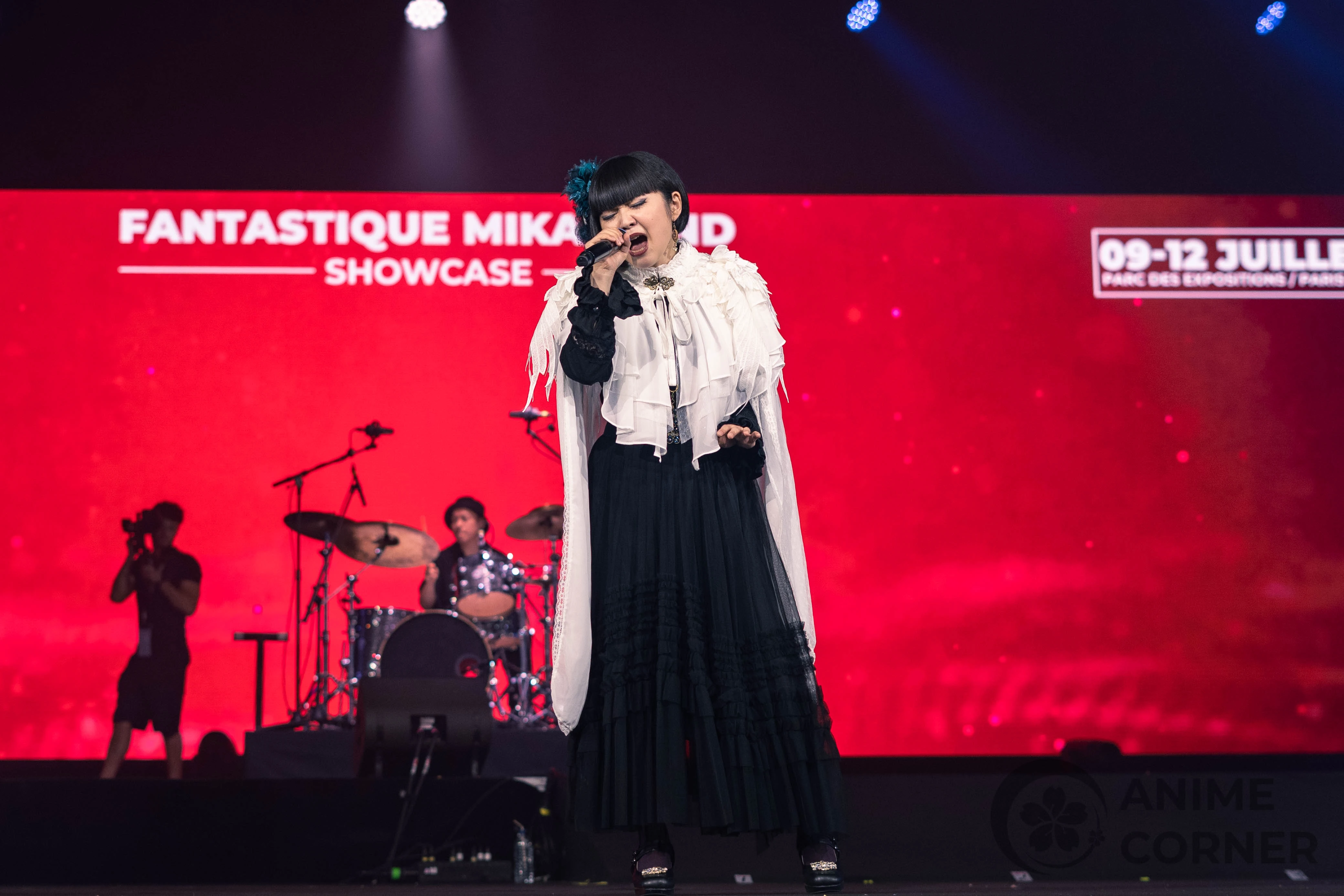
We appreciate the chance to chat with Mika Kobayashi and Japan Expo Paris about her career. We look forward to seeing her again at future events.
Upcoming shows include her performance at the Spanish gathering Japan Weekend Bilbao on October 3 and the Peruvian festival Geek Festival on November 14.
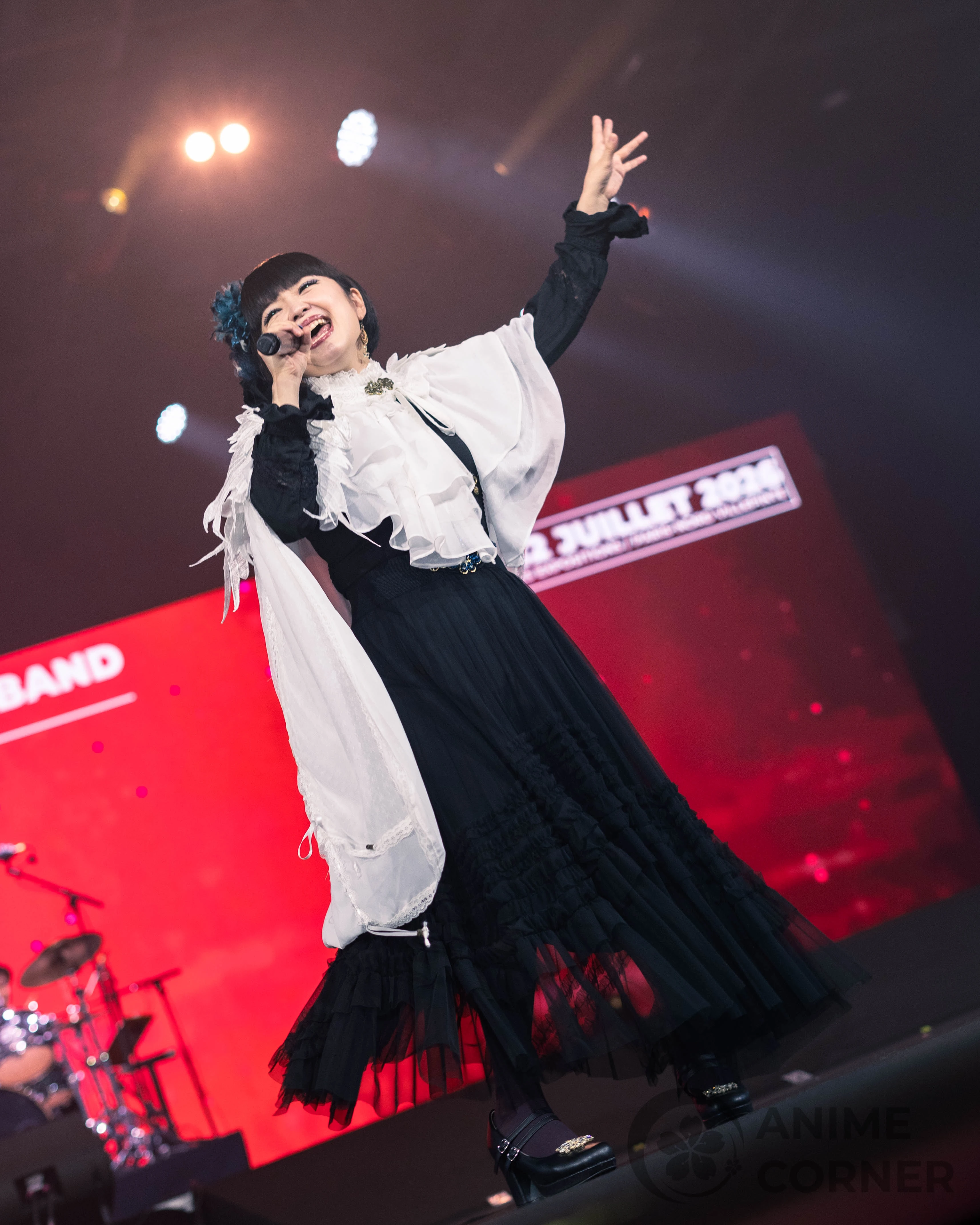
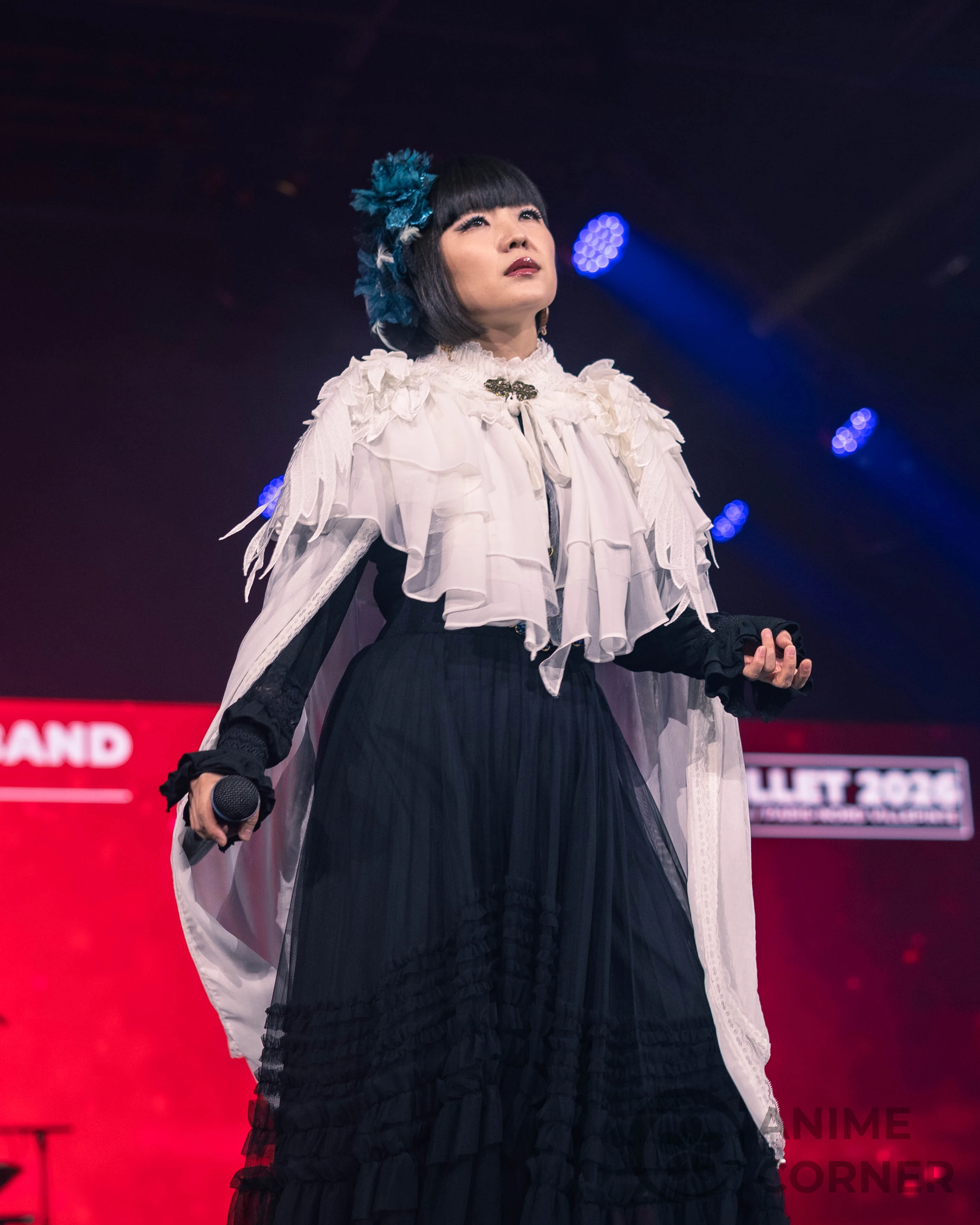
Concert photos by: @cdecasa_s (me)
Baca juga Anime lainnya di Info Anime & manga terbaru.
terimakasih sudah mengunjungi thecuy. 🙂

Saya adalah penulis di thecuy.com, sebuah website yang berfokus membagikan tips keuangan, investasi, dan cara mengelola uang dengan bijak, khususnya untuk pemula yang ingin belajar dari nol.
Melalui thecuy.com, saya ingin membantu pembaca memahami dunia finansial tanpa ribet, dengan bahasa yang sederhana.