
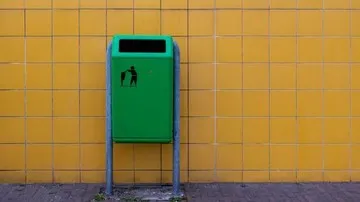
Thecuy, when you travel to Japan, you might notice a simple yet surprising fact: public trash cans are hard to find. Despite this, the streets and public spaces in the country are known for being very clean. This raises the question: how do Japanese people handle waste when they don’t always have a place to dispose of it?
It turns out, the scarcity of trash bins does not mean that Japanese people lack an effective waste management system. Instead, it is related to habits, personal responsibility, sorting systems, and even security factors. As reported by Japan Internships, there are several reasons why public trash cans in Japan are relatively limited. Curious about the explanation? Let’s read on below.
1. People Are Used to Taking Responsibility for Their Waste
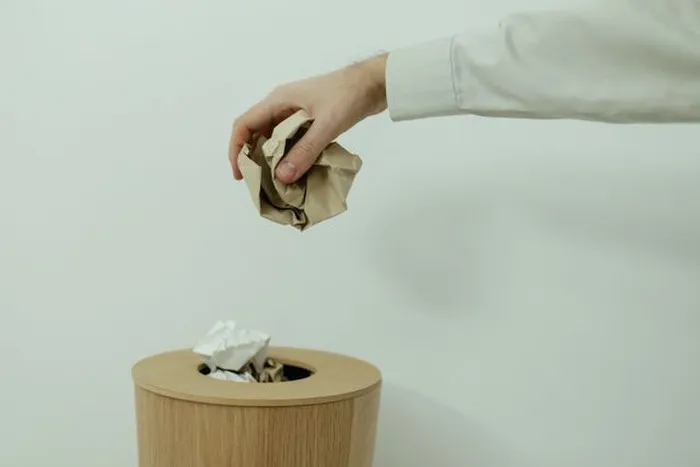
People Are Used to Taking Responsibility for Their Waste / Photo: Pexels.com/ Cup of Couple

A fundamental reason lies in the Japanese cultural mindset about personal responsibility. In Japan, every individual is expected to take care of their own waste. This practice is part of a broader cultural emphasis on personal values. This approach ensures that public spaces remain clean and individuals remain aware of their waste disposal habits.
The scarcity of public trash cans also demonstrates the dedication of Japanese people to cleanliness and order. This can be linked to strong social norms that prohibit littering and encourage a clean culture. Public cleanliness is seen as a shared value, and people take pride in maintaining the beauty and order of their surroundings.
2. Waste Sorting System Is Highly Organized
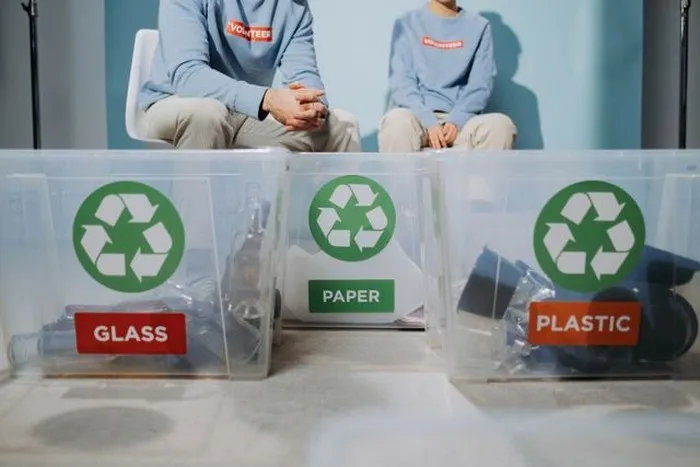
Waste Sorting System Is Highly Organized / Photo: Pexels.com/ cottonbro studio
Japan has one of the most efficient waste management systems in the world. Waste classification in Japan is very detailed. For example, there are various types of paper classifications, such as toilet paper, cake packaging, writing paper, and so on. Garbage trucks in Japan only transport specific types of waste each day, such as paper waste today, plastic waste tomorrow, glass waste the day after tomorrow, and so on; this process is carried out very carefully.
Therefore, the availability of too many public trash cans could actually encourage people to discard waste without following sorting rules. By encouraging people to manage their waste themselves at home, the system remains efficient and effective.
3. Avoiding Scattered Waste Caused by Animals
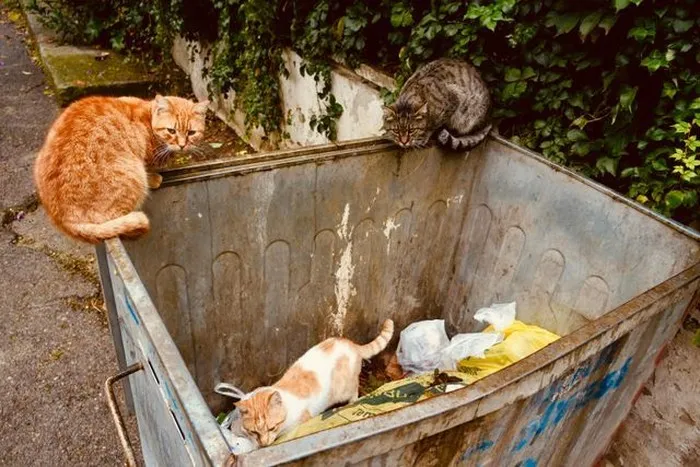
Avoiding Scattered Waste Caused by Animals / Photo: Pexels.com/ Ramazan Toygun
Another reason why public spaces in Japan rarely have trash cans is due to the presence of crows and other animals. Crows and other animals such as stray cats may look for food in trash. When waste is easily accessible, animals can rummage through it, making the environment dirty and causing an unpleasant odor.
For this reason, the number of trash cans available in public spaces is more limited. Therefore, the scarcity of trash cans is also related to efforts to prevent waste from being easily scattered due to animal activity.
4. Security Factors Since the 1995 Sarin Attack
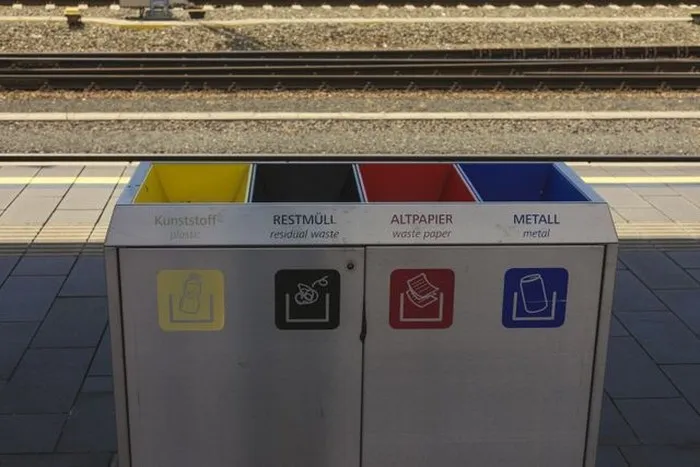
Security Factors Since the 1995 Sarin Attack / Photo: Pexels.com/ Patrick
One important event that caused the scarcity of public trash cans in Japan was the sarin gas attack on the Tokyo subway in 1995. The deadly attack, carried out by the Aum Shinrikyo cult, involved the use of sarin gas placed in public places, including inside trash cans.
In response to this tragic incident, many public trash cans were removed as a preventive measure to ensure that similar attacks would not happen in the future. The impact of this event is still felt today, as concerns about potential terrorist attacks continue to influence public security policies, including the limited availability of trash cans.
5. Encouraging Waste Reduction
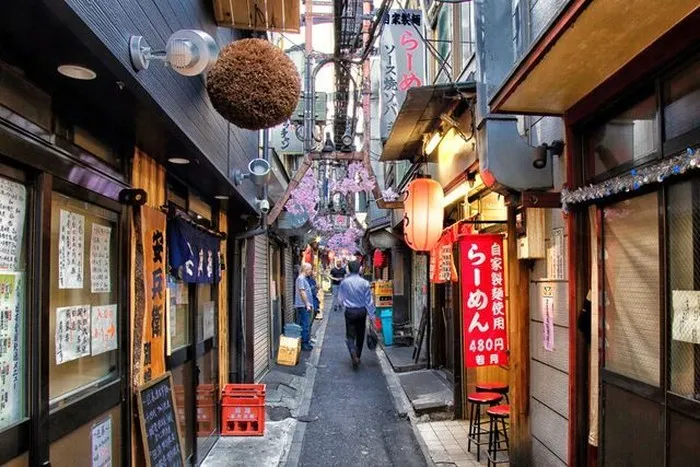
Encouraging Waste Reduction / Photo: Pexels.com/ Arnie Papp
Japan’s approach to waste management also reflects the country’s commitment to environmental sustainability. By reducing the number of public trash cans, the incentive for people to generate waste is also reduced. The focus on recycling and proper waste disposal at the household level further supports the achievement of environmental goals.
Thus, Thecuy, the reason Japan has few trash cans is actually quite diverse, ranging from personal responsibility, waste management systems, animal interference, security factors, to environmental considerations. Perhaps the simple habit of taking one’s own waste back home can be a small inspiration for us to be more aware that maintaining cleanliness is a shared responsibility.
***
Want to be part of the Buzznesia Community where you can join various exciting online and offline events held by Buzznesia/Beautynesia? This community is open to everyone, both men and women; we also have a special community for those of you who are still students. Come join the Buzznesia Community. The way is DAFTAR DI SINI!
(naq/naq)
terimakasih sudah mengunjungi thecuy. 🙂

Saya adalah penulis di thecuy.com, sebuah website yang berfokus membagikan tips keuangan, investasi, dan cara mengelola uang dengan bijak, khususnya untuk pemula yang ingin belajar dari nol.
Melalui thecuy.com, saya ingin membantu pembaca memahami dunia finansial tanpa ribet, dengan bahasa yang sederhana.