
Manga creator Spica Aoki made her debut appearance at the German fan event AnimagiC. During her visit, she took time for a conversation with us, discussing her current series KAIJU GIRL CARAMELISE, her thoughts on the anime now airing, and the origins of its distinctive concept.

The narrative centers on Kuroe Akaishi, a teenage girl afflicted by an enigmatic condition that triggers a kaiju transformation whenever she experiences romantic love. By merging shojo romance with kaiju and tokusatsu elements, KAIJU GIRL CARAMELISE instantly grabs the reader’s interest.
Motivated by the fresh storyline, we explore Aoki-sensei’s thoughts and artistic journey in the interview that follows.
This interview has been trimmed for brevity and clarified, and was conducted with the assistance of an interpreter.
Q: The anime version of KAIJU GIRL CARAMELISE is currently on air. How did you react when you first learned it was happening?
A: It was like a dream realized. My editor, Akasaka-san, told me the news over the phone, and I was overwhelmed with joy, making quite a fuss. An anime adaptation has always been a major ambition for me as a manga creator. Although I started in 2011, my previous series never ran long enough to be animated, making this my first anime adaptation.
Q: How much did you contribute to the anime’s production? What part of seeing your characters move and speak for the first time were you most eager to experience?
A: I contributed at multiple stages, from script meetings, character design reviews, and voice actor auditions. Normally my characters only exist inside my head, so watching them come alive with motion and voice was truly amazing. It was also eye‑opening to see the large team behind the project, and I’m very thankful for that.
Q: The central concept—where romantic love triggers a transformation into a kaiju—is especially original. How did you first come up with this idea?
A: The inspiration hit during my initial meeting with my editor. I showed up without any prepared concepts, so we started brainstorming together. I was a bit nervous at first, but soon I let go of worries and shared whatever popped into my mind. We were sitting in a restaurant by the Sumida River in Tokyo—a scenic spot often featured in kaiju movies. By chance, I had watched a kaiju film the day before, so the theme was fresh in my head. All those elements clicked, and I proposed a story about a high‑school girl who turns into a kaiju, which my editor loved.
Q: How did you participate in the anime’s production? Which moment of seeing your characters animated and voiced did you look forward to the most?
A: I was involved in several phases of the production, including script conferences, character design reviews, and voice actor auditions. Usually the characters only move and speak in my head, so seeing that become a reality was incredible. I also saw how many people were working on the production, which I am very grateful for as well.
Q: The story moves between humorous moments, romantic scenes, and intense monster battles. How do you balance these contrasting moods in your artwork?
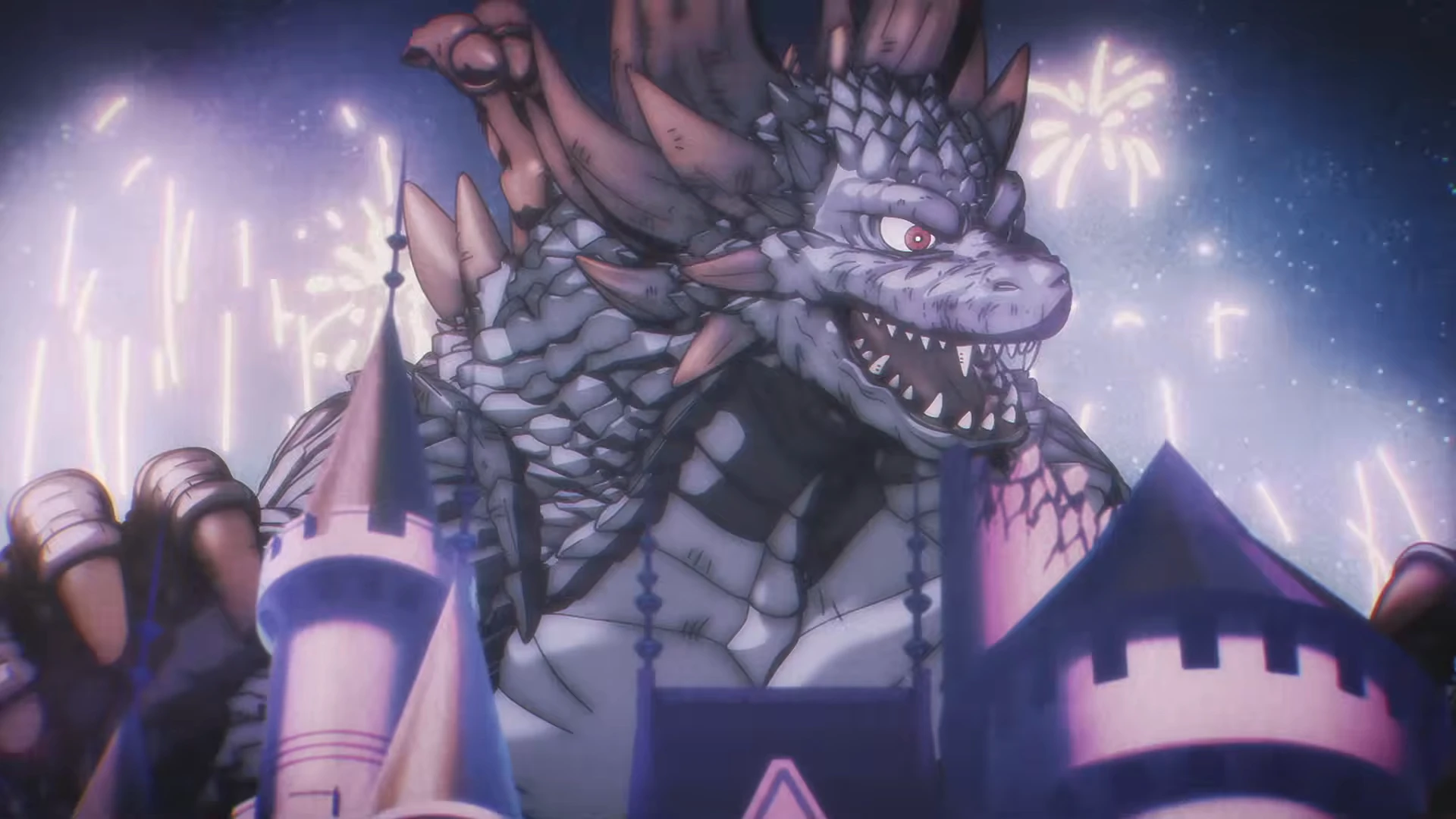
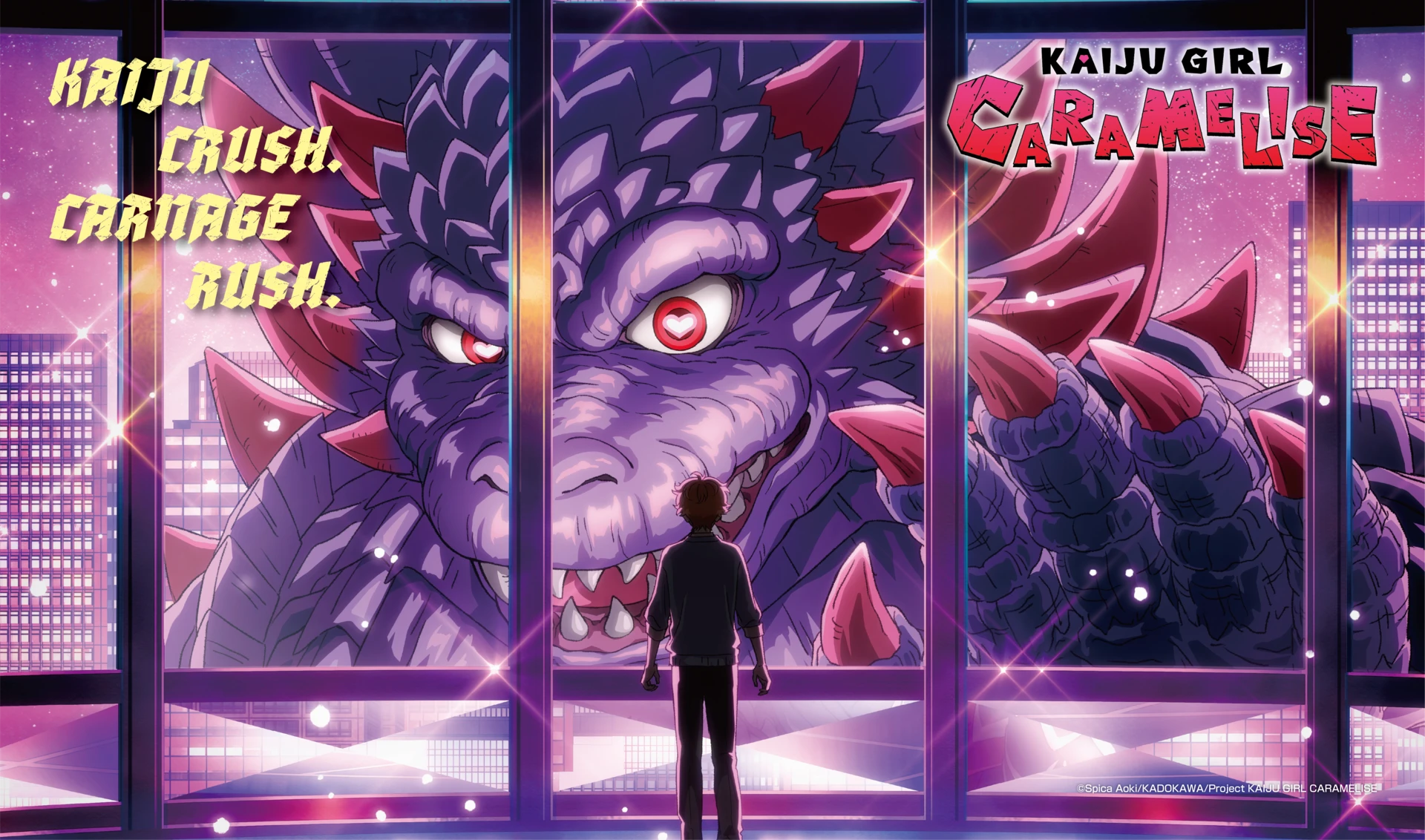
A: I aim to illustrate ‘cuteness as cute’ and ‘coolness as cool.’ Since Kuroe is a lovable heroine, I draw her with maximal charm, while her kaiju form, Harugon, is rendered in a striking, cool style. This deliberate contrast highlights the dual nature of the character.
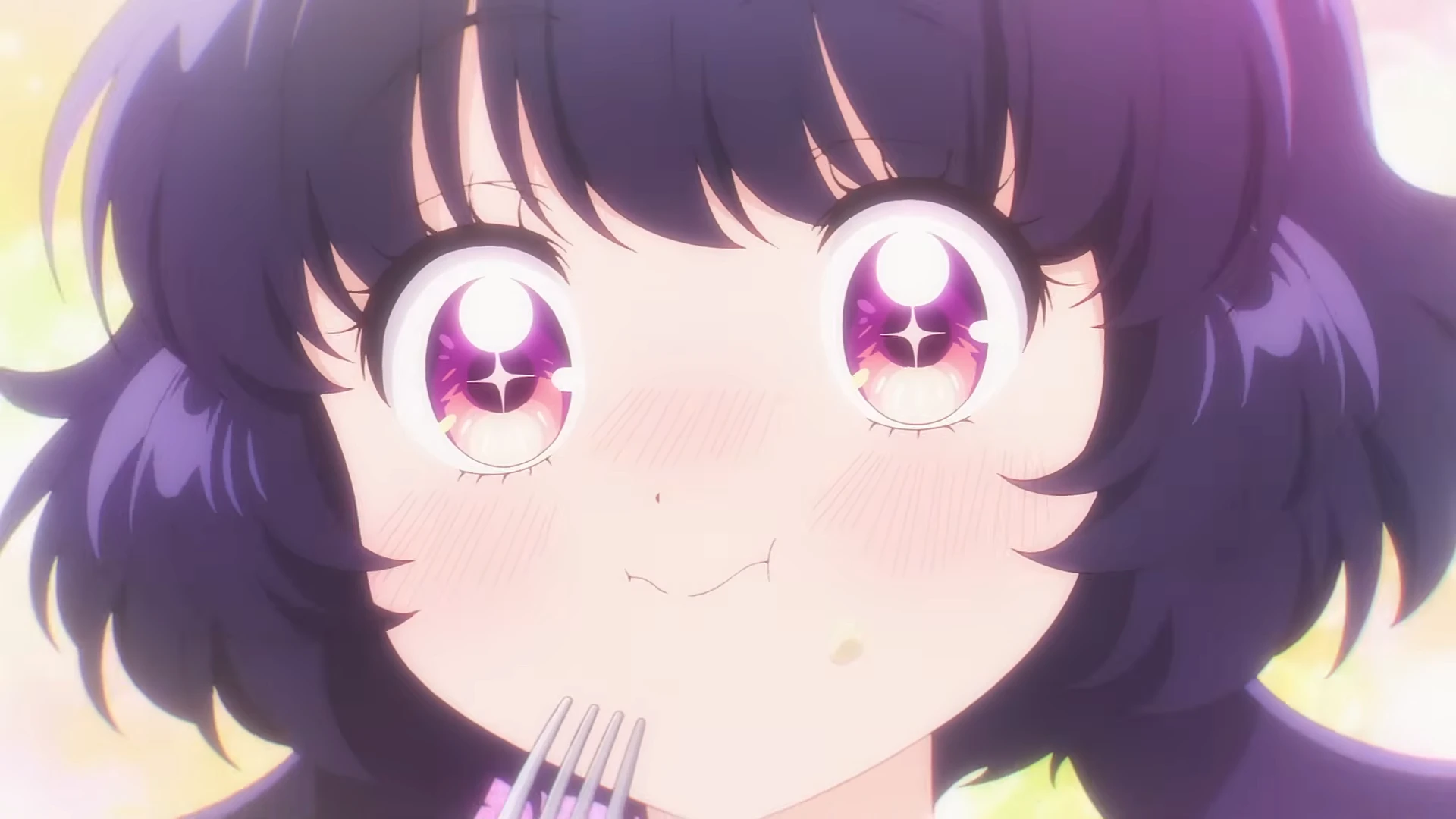
Q: Among your characters, which one brings you the most joy to illustrate and develop?
A: Manatsu is my favorite. A single line from her can instantly shift the mood of a scene, turning seriousness into comedy. Her gentle personality also makes her particularly fun to write.
Q: What first sparked your interest in creating manga, and which creators or titles have most shaped your style?
A: My love for manga began in kindergarten when I discovered Sailor Moon. I eagerly awaited each monthly issue at age five, captivated by its beautiful illustrations. That experience planted my dream of creating stories that evoke the same emotions in readers.
Q: What is the biggest hurdle for maintaining a series over many years and multiple volumes?
A: Staying passionate throughout an extended serialization is tough. Even with assistants, the work feels solitary. Social media lets me see reader feedback, but silence can be worrying. Because it’s a commercial endeavor, lack of interest could end the series, and that monthly pressure is always on my mind.
Q: Why are you drawn to merging traditional kaiju and tokusatsu elements with a shojo romance, and how do you manage the equilibrium between these styles?
A: This hybrid allows me to explore scenarios rarely seen in romance manga. While the core story shares commonalities with typical shojo tales—focusing on a teenage girl’s love—it diverges by incorporating kaiju elements that dramatically expand the narrative scope.
Q: Kuroe’s unusual condition often makes her feel isolated. How central is the theme of “being different” to you, and what message do you hope readers glean from her journey?
A: Everyone deals with insecurities, and I think it’s vital to keep hope alive and never give up, believing good things can happen. Even if aspirations aren’t fulfilled, I want readers to recognize the value of striving their best—that’s the core message I aim to share through this narrative.
Q: As you make your debut at AnimagiC in Germany, what thoughts or encouragement do you have for your fans across Germany and the world?
A: My earlier series, Beasts of Abigaile, gained a strong following among German readers. Though it didn’t achieve widespread popularity in Japan and concluded after four volumes, the support from German fans motivated me to continue creating.
Q: What has been your impression of the fans since arriving at AnimagiC?
A: The fans’ enthusiasm has been incredible, and it made me feel a strong connection to Japan. One moment that stood out was hearing someone call out my name, “Spica, Spica,” during the opening ceremony—a sight I rarely see back home, and it definitely brightened my day.
Q: How involved are you personally with kaiju and tokusatsu media, and do you consider yourself a fan of the genre?
A: Godzilla is definitely a favorite. My parents were big fans and took me to see the early black‑and‑white movies in theaters. I grew up watching numerous Godzilla films at home, where the character embodied both power and a surprising softness. Reflecting on that, it probably influenced the concept behind KAIJU GIRL CARAMELISE.
Q: In Japanese storytelling, monsters often represent inner aspects rather than just being foes. Do you see Kuroe’s kaiju transformation as a reflection of her concealed emotions or identity?
A: Exactly. Harugon embodies Kuroe’s genuine emotions—those she hesitates to voice due to shyness, or the hidden parts of herself that remain concealed.
Q: In terms of the conclusion, did you plan the ending from the start, or did the story develop organically as you wrote?
A: At the outset, I hadn’t sketched out the finale. However, by the conclusion of the first volume, I had a rough sense of how things would wrap up. I’m not going to elaborate further to keep the surprise intact [laughs].
Q: Looking back at titles like Beasts of Abigaile and Devil★Rock before KAIJU GIRL CARAMELISE, do you sense a recurring theme or style across your projects?
A: Indeed, there’s a similarity among them, as I mentioned earlier. I believe that persisting, even when aspirations aren’t fulfilled, is itself a beautiful thing. These stories are meant to uplift both my readers and myself.
Q: Can you suggest any manga, film, or artwork you’re currently enjoying that our readers might like?
A: Sure, I’d point to my earlier series Beasts of Abigaile, which isn’t widely known. It laid the groundwork for KAIJU GIRL CARAMELISE. Although it wrapped up rather quickly, I feel I delivered a satisfying conclusion.
Q: Considering kaiju’s deep roots in Japanese folklore—from yokai to Godzilla as a symbol of societal fears—do you regard your own kaiju as part of that tradition, and does it hold deeper symbolic meaning for you?
A: Traditionally, kaiju in Japan embody fears or overwhelming forces beyond human control. However, I view them as versatile tools. In KAIJU GIRL CARAMELISE, the kaiju stands for repressed emotions that remain unexpressed.
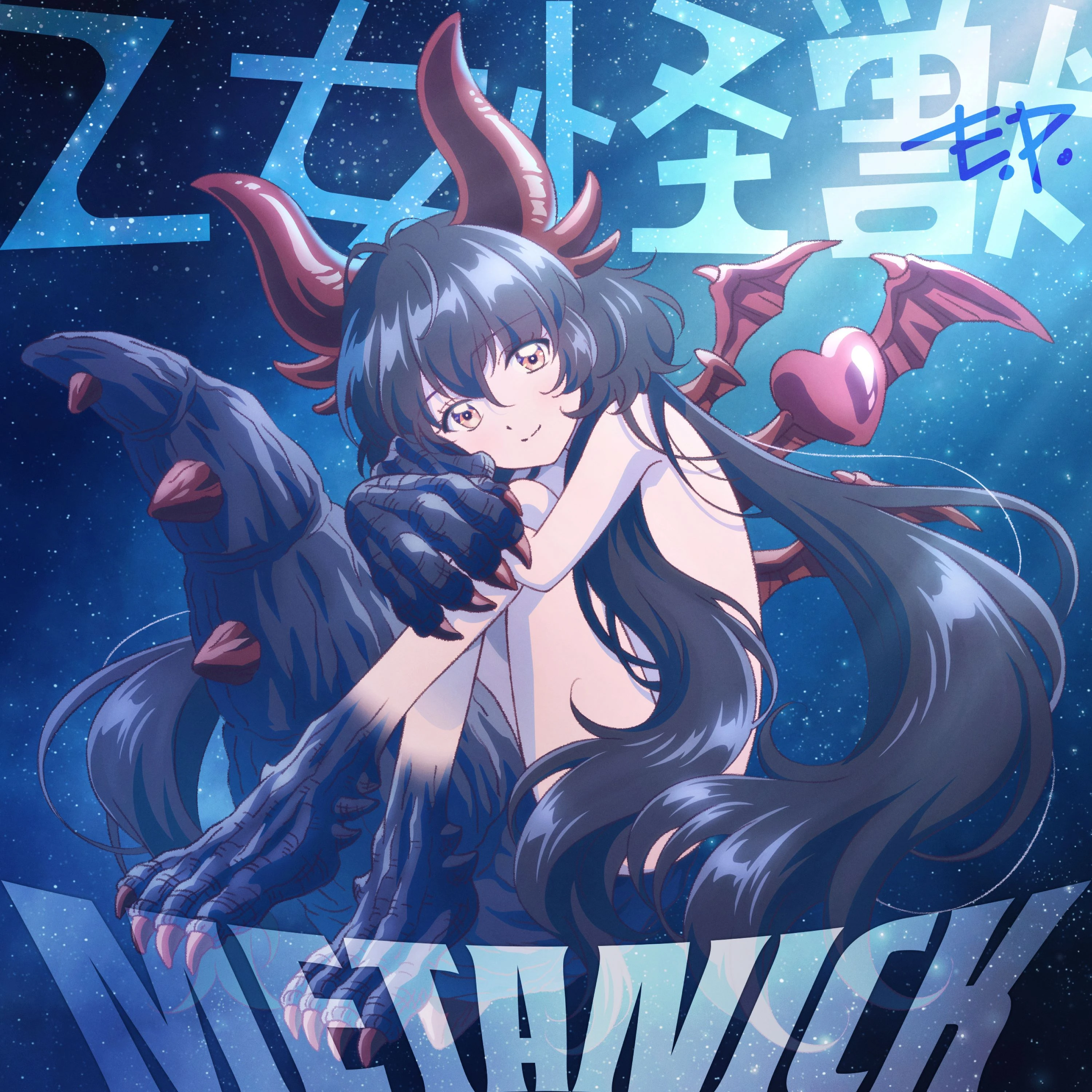
We’d like to thank Aoki-sensei and her team for sharing their time for this interview at the convention. We look forward to welcoming her back for more events abroad.
Should this concept capture your curiosity as it has ours, be sure not to overlook the current manga and anime series!
©Spica Aoki/KADOKAWA/Project KAIJU GIRL CARAMELISE
Also check out other anime titles at Latest Anime & manga info.
Thank you for visiting thecuy. 🙂

Saya adalah penulis di thecuy.com, sebuah website yang berfokus membagikan tips keuangan, investasi, dan cara mengelola uang dengan bijak, khususnya untuk pemula yang ingin belajar dari nol.
Melalui thecuy.com, saya ingin membantu pembaca memahami dunia finansial tanpa ribet, dengan bahasa yang sederhana.