
Adapting the web manga penned by One, Mob Psycho 100 becomes a psychic shōnen anime that showcases a lively roster of characters, One’s distinctive artwork, and endlessly inventive uses of psychic powers. The narrative centers on Shigeo Kageyama—known as Mob—a youngster who holds back both his hidden psychic abilities and his feelings, finding it tough to bond with peers and often coming across as awkward yet genuine. Mob teams up with the self‑declared medium Arataka Reigen, a trickster who possesses no psychic talent of his own. These two are just a couple among many entertaining figures, especially those wielding psychic powers who can push Mob’s internal emotional gauge to 100%, at which point he taps into his full potential.

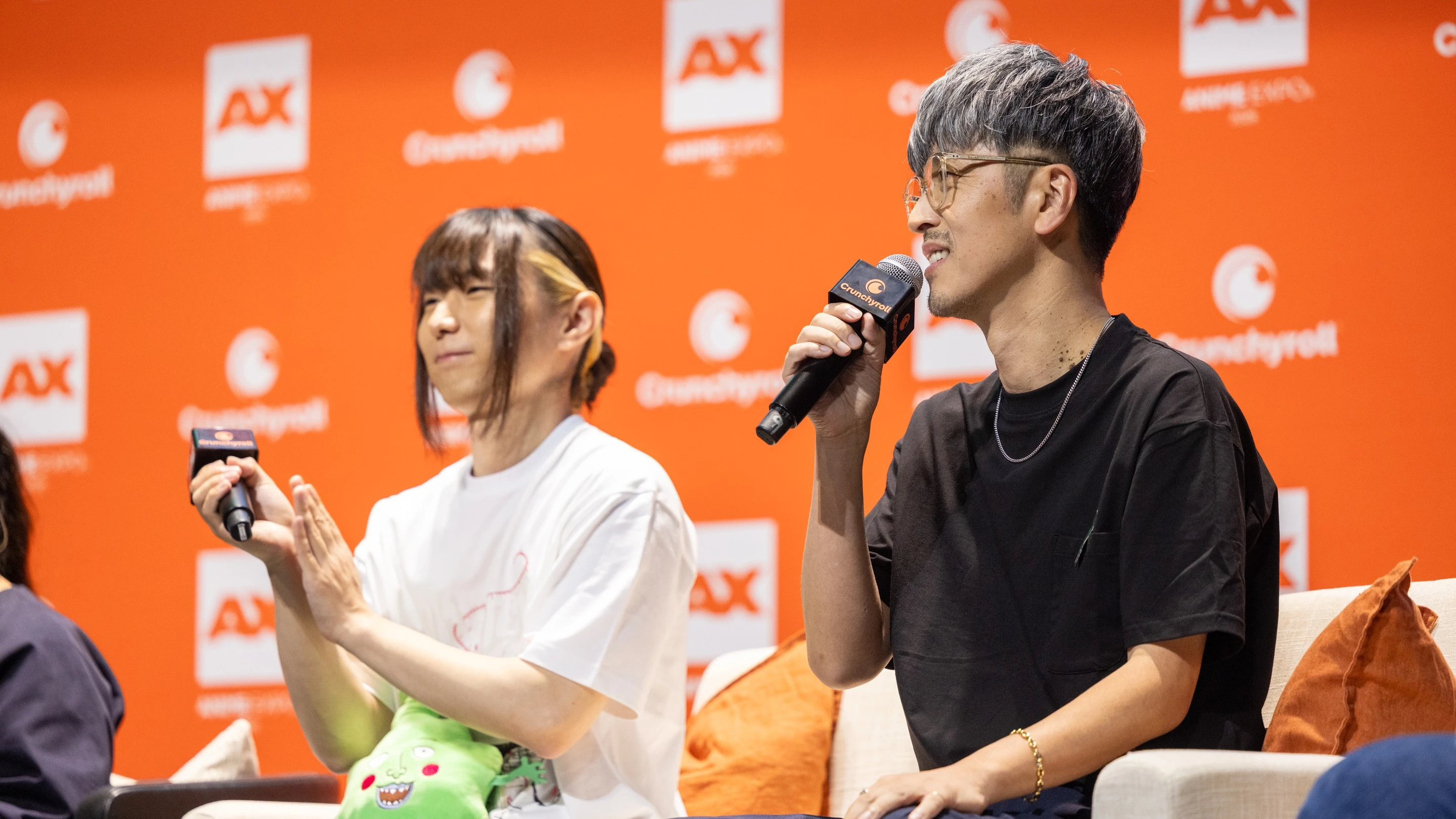
This interview was lightly edited for clarity and was conducted with the help of an interpreter.
Q: Creator ONE tends to illustrate his main characters in a fairly plain style. In the anime’s direction and voice performance, how did you manage to keep that simplicity while also giving Mob chances to stand out?
Tachikawa-san: While reading the original comic I struggled to picture any action—since there’s no animation in print. Because Mob and Reigen serve as the two leads, I aimed for a balanced approach. Yet Reigen, being a con artist, needed a more lively portrayal. Early on, Mob was just an average middle‑schooler, so his role remained more subdued. Consequently, Reigen became the more dynamic character while Mob stayed relatively static.
Ito-san: Voice actors receive a script along with reference images and must interpret them. When a scene involves action or movement, the vocal performance tends to be more expressive; otherwise, it stays subtler. In Mob’s case, I focused on conveying his nervousness and tension to match the character. We did a solid job overall, though Mob doesn’t talk much. There were moments where I tried out different approaches or added lines, even if the director said they weren’t needed.
Sakurai-san: Building on the director’s comments, I aimed to contrast my character’s flamboyance with Mob’s straightforward simplicity. As a con artist, I leaned into a more over‑the‑top vocal style, but kept it from becoming grating. My goal was to make the character both appealing and intriguing, which guided my performance choices.
Q: Tachikawa-san, what workflow did you use to capture the precise mood of the source material, and how did you refine it to reach the final anime version?
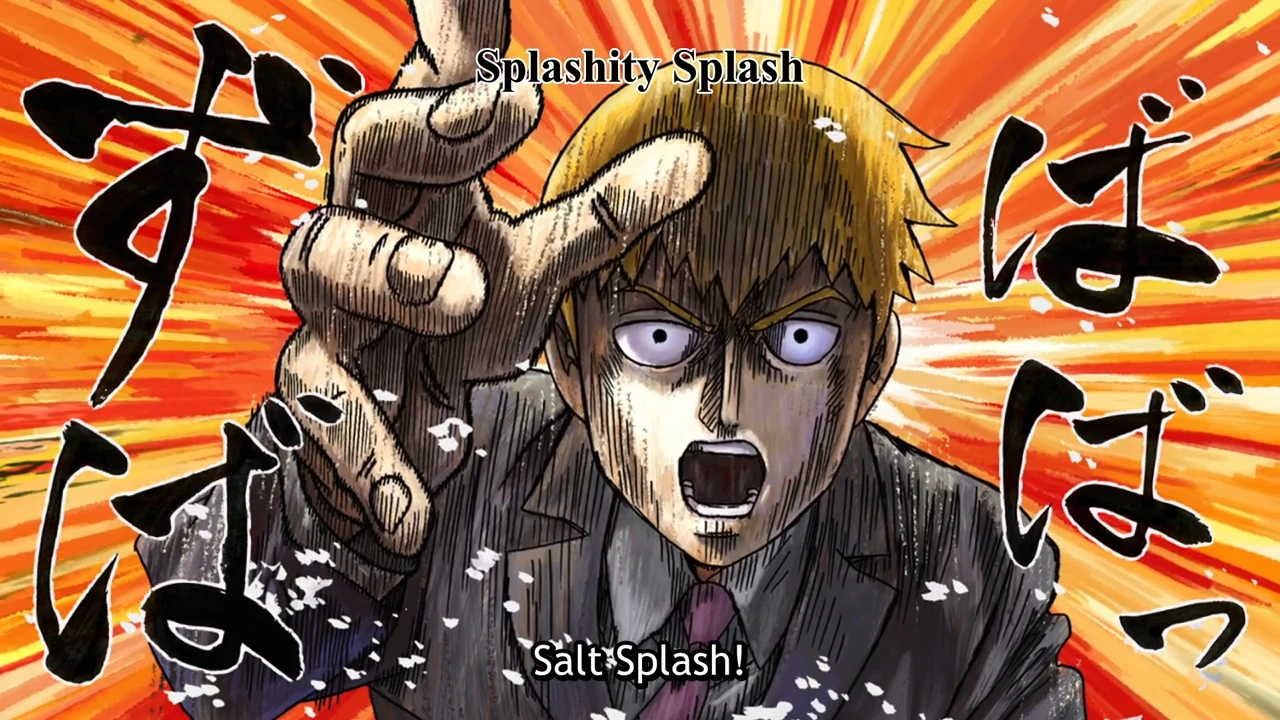
Tachikawa-san: The moment I first read the manga, its artwork struck me as exceptionally distinctive. We faced a choice: replicate that singular style or conform to the trends of other popular anime of the era. To decide, we experimented and weighed the options between those two poles. Initially we rendered Mob as a sleek, handsome teen—something that felt wildly uncomfortable and out of character. Realizing how odd that looked, we resolved to keep his design exactly as he is, avoiding any embellishment and staying true to the source. We applied the same principle to the overall visual aesthetic, consulting a character designer to mirror the manga’s graphic style as faithfully as possible. Doing so not only honored the original but also made the process far more enjoyable for the team.
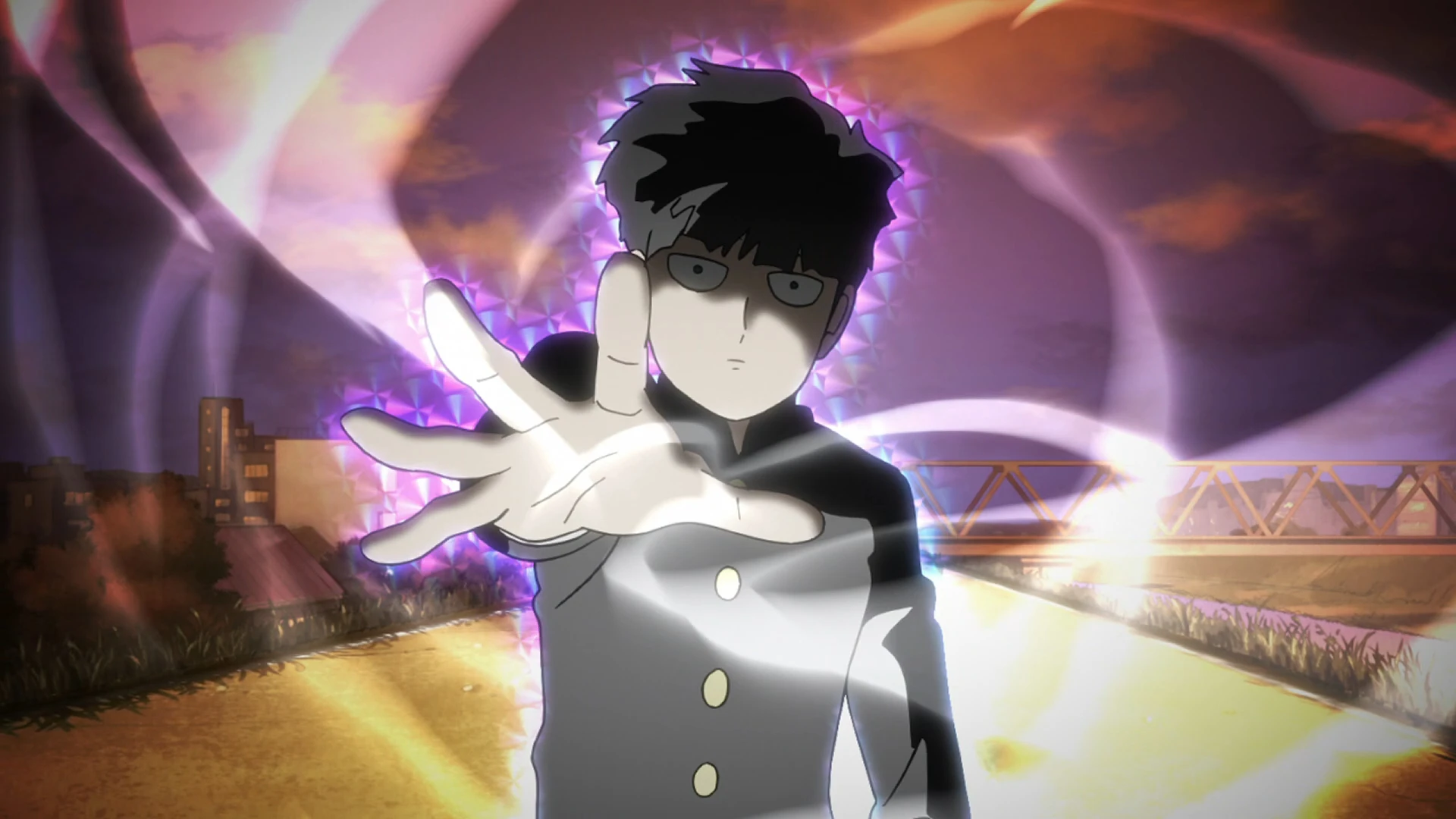
Q: Ito-san, Mob’s emotions are tightly controlled, and his bursts of feeling are linked to a particular trigger. When you need to convey an emotion at full intensity, how do you approach that?
Ito-san: I simply tried different things and observed what worked. I experiment a bit, then seek feedback from the director, who might suggest “Why not try this?” or “That doesn’t fit.” It becomes a process of trial and error: seeing what the team accepts, what they encourage, and what they reject. All of it is about discovery and learning, and there’s been a great deal of that involved.
Tachikawa-san: For instance, when you needed to convey pure anger at 100%, did you draw on personal frustrations—like something that made you upset at home?
Ito-san: Not really. I rarely tapped into personal life experiences for that. Instead, I leaned heavily on inspiration from the anime I’d watched and other performances, including theater. Those external references shaped my approach much more than my own day‑to‑day frustrations.
Many thanks to Yuzuru Tachikawa, Setsuo Ito, and Takahiro Sakurai for sharing their time and insights about Mob Psycho 100. We also appreciate Crunchyroll for arranging the interview. You can stream the Mob Psycho 100 anime on Crunchyroll.
© ONE,Shogakukan/MobPsycho100 Project 2016
Lihat anime lain juga di Berita terbaru tentang Anime & manga.

Saya adalah penulis di thecuy.com, sebuah website yang berfokus membagikan tips keuangan, investasi, dan cara mengelola uang dengan bijak, khususnya untuk pemula yang ingin belajar dari nol.
Melalui thecuy.com, saya ingin membantu pembaca memahami dunia finansial tanpa ribet, dengan bahasa yang sederhana.