

Thecuy, many parents may feel anxious about their children’s future. This is especially true considering political instability, climate change, the influence of artificial intelligence on education, and numerous other challenges.
It can also make parents wonder what the best way is to prepare their little ones for what’s ahead.

Citing CNBC Make It, a Harvard- and Stanford‑trained child and adolescent psychiatrist, Dr. Suzan J. Song, author of “Why We Suffer and How We Heal,” says there are several parental habits that can help kids become resilient and better prepared for the future.

Furthermore, Dr. Suzan J. Song explains that true resilience stems from the ability to take action, connect with others, and stay engaged in life, even when circumstances are tough.
Check out several parental habits below that can help children grow into strong, resilient individuals.
1. Encouraging Children to face both success and failure

Encouraging kids to encounter both success and failure/ Photo: Pexels.com/Ketut Subianto
Thecuy, parents often focus on teaching kids to achieve certain successes. However, it’s equally important to also teach children how to experience both success and failure together.
For example, parents can let kids try building a new toy. During this activity, allow them to encounter minor challenges, make mistakes, practice, and eventually improve their assembly skills.
This approach gently teaches children that failure isn’t something to be ashamed of; they can overcome it and learn to improve.
2. Teach Children How to Build Healthy Relationships
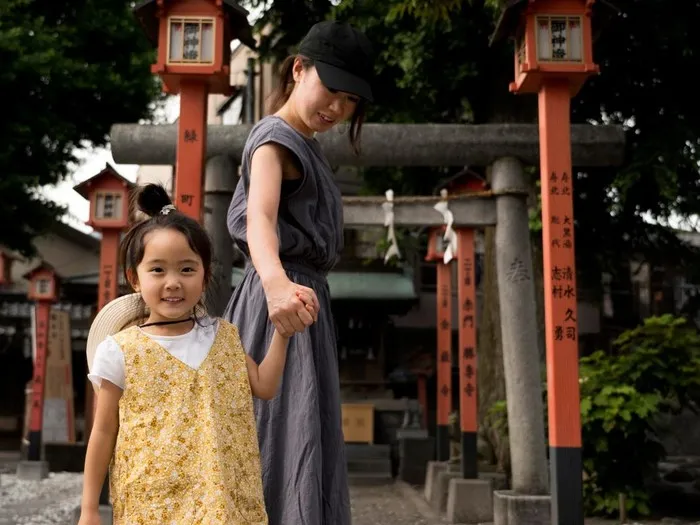
Guide children on how to nurture meaningful connections/ Photo: magnific.com/magnific
As children grow, they’ll encounter many difficult situations both in personal and professional contexts that involve other people.
In addition to technical skills, parents should also teach children how to build trust with others, resolve conflicts, set boundaries, maintain closeness, and repair relationships.
These abilities aren’t innate; they develop through practice. For instance, if a child comes home upset with a friend, parents can ask what happened, then help the child think about the friend’s feelings, what they want from the relationship, and whether it’s worth repairing.
This teaches them more about nurturing relationships than simply reprimanding them with words or orders.
3. Remind Children to Look beyond Their Own Perspective

Encourage children to look beyond themselves/ Photo: pexels.com/Ketut Subiyanto
When life feels overwhelming, people often withdraw, replay events that didn’t go well, or reflect on what the experience means for them.
Children and teenagers shaping their identity are particularly prone to self‑centered thinking, Thecuy.
In this regard, parents can give kids regular opportunities to help others. For example, ask a younger child to feed the fish each morning.
Invite an older child to help a sibling with homework, volunteer, or take on a responsibility within a family project.
The goal isn’t to distract the child from their own issues or to make them feel there are people worse off.
The aim is to remind them that even in difficult times, they still have the capacity to contribute, connect, and be meaningful to others.
4. Guide Children to Handle Sadness or Disappointment
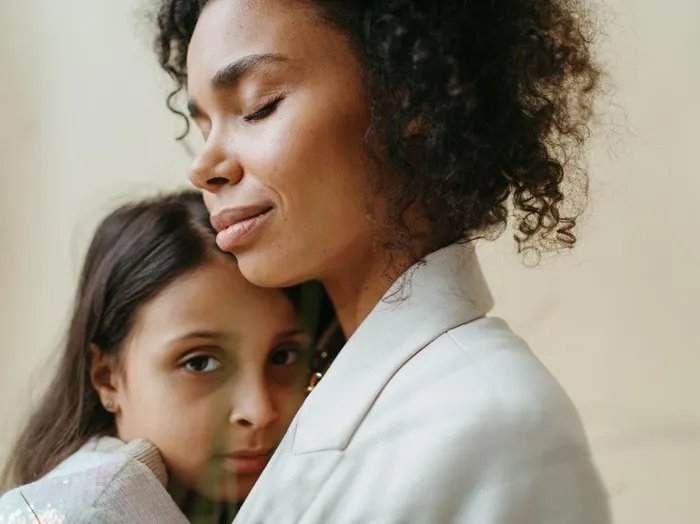
Help children confront sadness or disappointment/ Photo: Pexels.com
Parents instinctively want their children to feel better. For instance, if a child feels upset about not being invited to a friend’s birthday party, parents often try to resolve the issue right away or soothe them with phrases like “Don’t worry,” or “There will be other parties later.”
Parents sometimes assume that resilience means getting rid of tough emotions, wanting kids to calm down quickly, think positively, or forget the incident.
Yet the most resilient children actually experience disappointment, fear, embarrassment, and sadness. They learn they can still carry these feelings while going to school, interacting with friends, trying again, and doing what matters to them.
5. Support Children in Developing Problem‑Solving Skills

Assist children in developing problem‑solving abilities/ Photo: magnific.com
Parents often spend a lot of time trying to prepare their children for specific careers.
For instance, they might choose a path that seems to lead to the most stable or lucrative job and then plan backwards. Yet it’s difficult to predict what the job market will look like in the coming decades, Thecuy.
Instead of concentrating solely on a child’s career, parents could teach them to become problem solvers. For example, if a child feels very distressed about plastic in the ocean, rather than saying “You should become a marine biologist,” a parent could ask “What worries you about this?” or “What can someone do to fix it?”
Help them research the issue, reach out to an expert, or organize a clean‑up event. This approach shows them how to recognize what matters to them and then take meaningful action.
—
Want to be part of the Buzznesia Community where you can take part in many exciting online and offline events hosted by Buzznesia/Beautynesia? The community is open to everyone, both women and men, and we also have a special group for current students. Join the Buzznesia Community now. To sign up, CLICK HERE!
(sim/sim)
terimakasih sudah mengunjungi thecuy. 🙂

Saya adalah penulis di thecuy.com, sebuah website yang berfokus membagikan tips keuangan, investasi, dan cara mengelola uang dengan bijak, khususnya untuk pemula yang ingin belajar dari nol.
Melalui thecuy.com, saya ingin membantu pembaca memahami dunia finansial tanpa ribet, dengan bahasa yang sederhana.