Oct 16, 2026
/

By Teresia D.
/

10 minutes read
            </div>

                            <p class="wp-block-paragraph"><strong>The advantages and disadvantages of e-commerce should be understood before opening an online store, especially as this sector continues to grow rapidly.</strong> Oberlo predicts that worldwide e-commerce revenue could reach US$6.88 trillion by 2026. Bank Indonesia reported that e-commerce transactions in the third quarter of 2025 amounted to Rp134.67 trillion, a year‑on‑year increase of 20.5%, while digital payment transactions in August 2026 grew by 40.36%, driven by QRIS and mobile banking.</p><p class="wp-block-paragraph">These figures show that more businesses and consumers are shifting to online transactions. Yet, like any other business model, the great opportunities come with fierce competition and operational challenges.</p><p class="wp-block-paragraph">In this article you will learn about the benefits and drawbacks of e-commerce for both business owners and consumers, along with answers to the most frequently asked questions.</p><h2 class="wp-block-heading h-t-title-2" id="h-kelebihan-e-commerce-bagi-bisnis">Benefits of e-commerce for businesses</h2><p class="wp-block-paragraph">Before looking at its drawbacks, let’s first examine the advantages of e-commerce that drive many people to move away from brick‑and‑mortar stores.</p><h3 class="wp-block-heading h-t-title-3">1. Lower initial capital requirement</h3><p class="wp-block-paragraph">Compared to businesses that rely on physical stores, e-commerce generally requires lower start‑up capital. To set up your own online shop you need to choose an e‑commerce platform and prepare web hosting and a domain. The total cost is usually far more affordable than opening a physical store.</p><p class="wp-block-paragraph">If you’re just starting out, you can use cheap hosting at first, then upgrade to e‑commerce hosting as your online store’s needs grow.</p><p class="wp-block-paragraph">To reach customers in different locations, traditional businesses might need to open several branches. Meanwhile, e‑commerce lets you reach a broader market without buying or renting many business premises, spending money on store décor, hiring many staff or providing various sales equipment. The required capital for inventory can also be lower, depending on the business model employed.</p><p class="wp-block-paragraph">In addition, building a brand identity through an online store is relatively affordable. You can create a logo for free and start introducing your brand to potential customers without having to spend money opening a physical store.</p><p class="wp-block-paragraph">A dropshipping business model can even help reduce capital further. As a dropshipper, you can sell products without having to produce or store stock yourself. This model is worth considering for small business owners who have limited capital, resources or business experience.</p><p class="wp-block-paragraph">Selling digital products also requires relatively low start‑up costs. Unlike physical products, digital products such as e‑books or templates can be sold repeatedly without packaging costs or restocking fees. This way you can cut a number of operational costs normally needed for selling physical goods.</p><h3 class="wp-block-heading h-t-title-3">2. Wider market reach</h3><p class="wp-block-paragraph">One of the main advantages of e‑commerce is its ability to reach potential customers regardless of geographic location.</p><p class="wp-block-paragraph">When you run an online business, the products or services you offer can be discovered by people from different regions, even overseas. As long as they are interested in your offering and your business can handle the transaction, anyone can become a customer.</p><p class="wp-block-paragraph">Conversely, a physical store usually relies more on customers who live, work or activity near the business location. To reach markets in other areas, business owners may need to open branches or use additional sales channels.</p><h3 class="wp-block-heading h-t-title-3">3. Orders can be accepted 24 hours a day</h3><p class="wp-block-paragraph">An online store can be accessed at any time, so customers do not need to adjust their shopping time to the operating hours of a physical store. They also do not have to come in person to see the products available.</p><p class="wp-block-paragraph">Just using a smartphone or other device, customers can read product descriptions and see high‑quality product photos to find information before buying.</p><p class="wp-block-paragraph">Another benefit is that you do not have to incur additional operating costs such as keeping a physical store open all night just to receive orders. As long as the website has good uptime and an automatic order‑processing system, customers can still transact even when you are not working.</p><p class="wp-block-paragraph">With such a system, an online store can potentially generate sales at any time. However, processes such as packing, shipping and handling customer problems still need to be managed according to the business’s operating hours.</p><h3 class="wp-block-heading h-t-title-3">4. Facilitates operational automation</h3><p class="wp-block-paragraph">E‑commerce lets you automate various operational activities, including inventory management. With an automated system, the risk of errors when entering or recording data manually can be reduced.</p><p class="wp-block-paragraph">Automation can also be used to process payments, send promotional emails and provide customer assistance through chatbots. A well‑configured system helps reduce errors in the delivery of information, bills or orders, for example due to incorrect recording of addresses or customer data.</p><div class="wp-block-image">
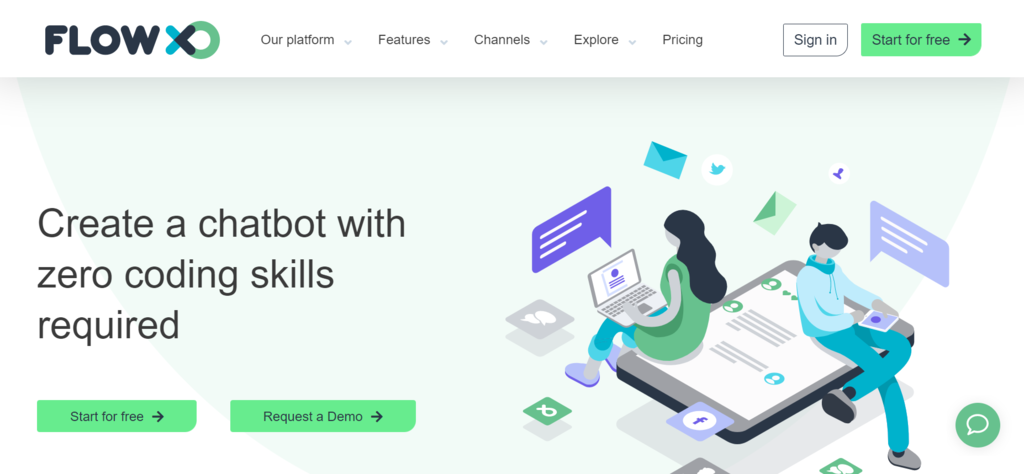
By automating these tasks, you have more time to focus on marketing and business management.
The benefits of automation are not limited to online stores. Businesses that have physical stores can also use it to reduce the risk of human error and save time, costs and resources.
5. Facilitates customer retargeting
Not all online store visitors complete a purchase immediately. Some may only browse products, create an account or add items to their shopping cart before leaving the website.
Through a retargeting strategy, you can reach prospective customers again who previously interacted with your store and showed an interest in buying.
For example, you could display ads for products the visitor saw but didn’t buy. Those ads serve to remind them of the product they were interested in and encourage them to return to the online store.
Retargeting is one of the advantages of digital marketing because customer interactions can be followed up through appropriate online channels. A similar strategy is more difficult to implement in a physical store because business owners usually have no way to contact visitors again after they leave the store.
6. Easier to scale as the business grows
When your online business grows and the number of visitors increases, you can adjust the website’s capacity by upgrading your hosting package or adding e‑commerce features as needed.
This method is usually more practical than expanding a physical store. When the number of customers continues to increase, conventional store owners may have to enlarge the business premises or add facilities to serve more buyers.
Expanding a physical store generally requires a larger investment than increasing the capacity of an e‑commerce website.
However, the growth of an online store also needs to be balanced with preparedness in inventory management, order processing and customer service so that operations remain smooth.
7. Provides a more personal shopping experience
Through e‑commerce, you can provide a shopping experience that is more tailored to each customer’s needs and preferences.
For example, a website can display prices in the local currency based on the visitor’s location. If an online store uses an account system, you can also provide product recommendations based on a customer’s search history or shopping activity, like Amazon does.
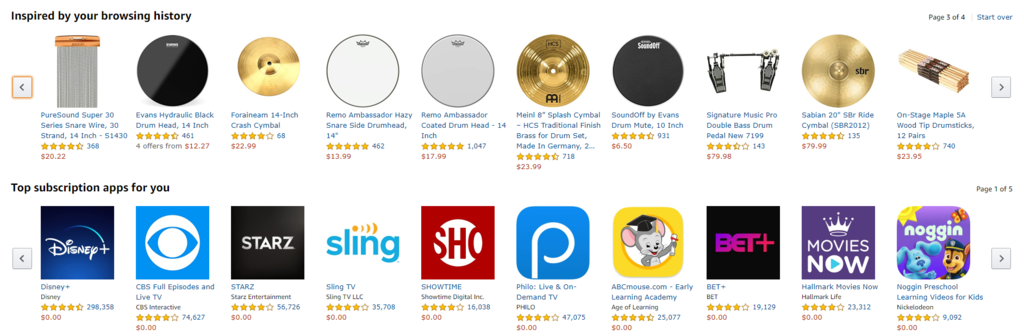
Personalization can also be applied to customers who have shopped before. For example, you can remind them about products they often viewed or added to their cart but didn’t buy.
In addition, the shopping experience can be made more personal by offering special discounts, loyalty programs, welcome messages tailored to customers, and product filters to help them find items based on certain criteria.
8. Customers can shop without feeling disturbed
Not everyone feels comfortable interacting directly with store staff while shopping. Some customers may prefer to look for information about promotions or browse products on their own without being constantly asked if they need help.
An online store gives customers the freedom to explore products independently and more privately, without having to interact with sales staff.
If they need additional information or experience problems, they can still contact the customer service team via live chat or email.
9. Facilitates customer data analysis
Another advantage of e‑commerce is the ease of integrating analytics tools such as Google Analytics.
This tool helps you understand the characteristics and behavior of website visitors, including their geographical location, available demographic information and their purchasing activity. This data can be used to evaluate and refine digital marketing strategies to more effectively attract prospective customers. The availability of certain data depends on analytics settings and user consent.
In addition to Google Analytics, you can also use heatmap tools such as Hotjar to see how visitors interact with web pages.
For example, a heatmap can help show which parts of the page are most viewed or clicked by visitors. By understanding how they browse the website, you can find out which parts need to be improved to increase comfort and ease of shopping.
10. Can process multiple orders at once
At certain times, a physical store can be crowded with visitors, making the transaction process take longer. Queues at the cash register or customers buying many items at once can make other buyers have to wait.
This problem can be reduced with e‑commerce because several customers can transact simultaneously without having to queue at one cash register.
With an adequate website system and order processing, a large number of visitors does not have to slow down the checkout process. However, server capacity and website performance still need to be considered so that transactions run smoothly when traffic increases.
11. Makes it easier to encourage impulse purchases
E‑commerce offers various marketing features that can encourage customers to make spontaneous purchases, including buying products they did not initially plan to buy.
One way is to display attractive product photos and promotional offers in banners at the top of the website. You can also add a call‑to‑action (CTA) button, such as “Buy now”, to direct visitors to the purchase page.
Another strategy is to take advantage of the phenomenon of fear of missing out (FOMO), which is the fear of missing out on a particular opportunity.
For example, you could offer a limited‑time promotion and display a countdown timer to show when the offer will end. That time limit can encourage customers to make a purchase decision faster.
Discounts are also often a reason for customers to buy products spontaneously, both for items they originally planned to buy and those they previously did not want to buy. That’s why many businesses offer special promotions for first‑time visitors to drive sales.
12. Faster and more convenient shopping process
Through an online store’s search feature, customers can find the products they need without having to check each category one by one.
After finding the product they want, they can also select available variations, such as color or size, before completing the order. If the store uses an automatic inventory management system, information about product availability can be displayed directly on the product page.
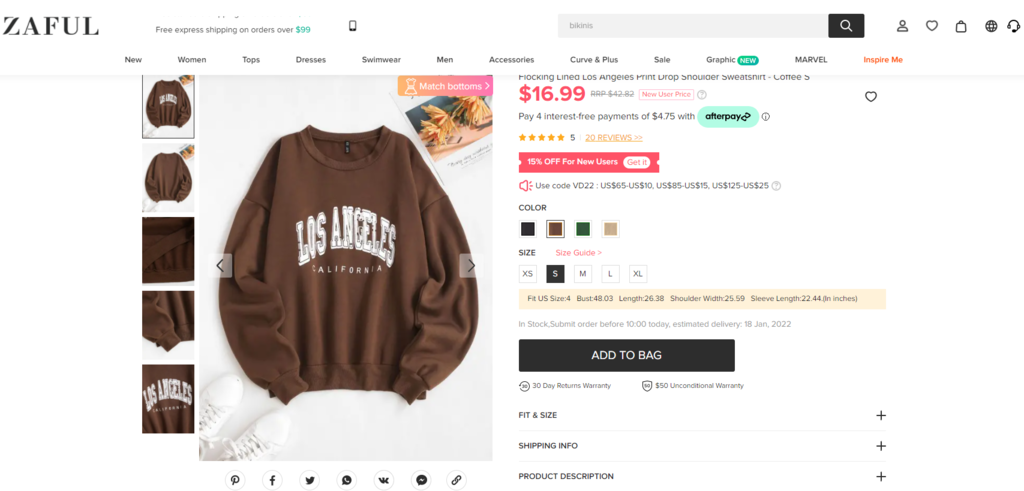
Conversely, when shopping in a physical store, customers usually can only see the products on display. To find out about the availability of other colors or sizes, they may have to ask the store staff directly.
13. Reduces recruitment and training costs
Running an online store can reduce the need for staff in some positions that are usually required in a physical store, such as cashier and security guard.
With fewer employees, recruitment, training and labor operating costs can also be lower. The available budget can then be allocated for other business needs, such as advertising.
However, that does not mean an e‑commerce business does not need employees. As the business grows, you may still need to hire staff to handle customer service, store management or website development.
Disadvantages of e-commerce for business
Although it offers many benefits for sellers and buyers, e‑commerce also has a number of limitations that need to be considered.
Here are some of the disadvantages and challenges you may face when running an online store.
1. Downtime can cause loss of customers
One of the disadvantages of e‑commerce is its dependence on websites and technology infrastructure. When the website is being maintained or experiences a server disruption, customers may not be able to access the store or complete a transaction.
Access disruption or downtime can cause the business to lose potential revenue, especially if it occurs when many customers are shopping.
In addition to hindering transactions, downtime can also reduce visitor confidence. If the website often experiences disruptions, potential buyers may doubt its reliability and choose not to continue the order.
Therefore, selecting a web hosting service is one of the important factors in running an online store. Reliable hosting helps keep the website accessible and handle traffic spikes so that business activities are not easily disrupted.
2. Customers cannot try products directly
One of the main differences between e‑commerce and a physical store is that customers cannot see, touch or try a product directly before buying it.
This limitation can make potential buyers hesitate, especially for products that need to be tried first, such as clothing.
As a solution, an online clothing store could provide a return policy if the product received does not meet the customer’s expectations.
However, the return process can also be troublesome for buyers. They may have to repack the goods, arrange shipping or pay additional shipping costs according to the store’s policy.
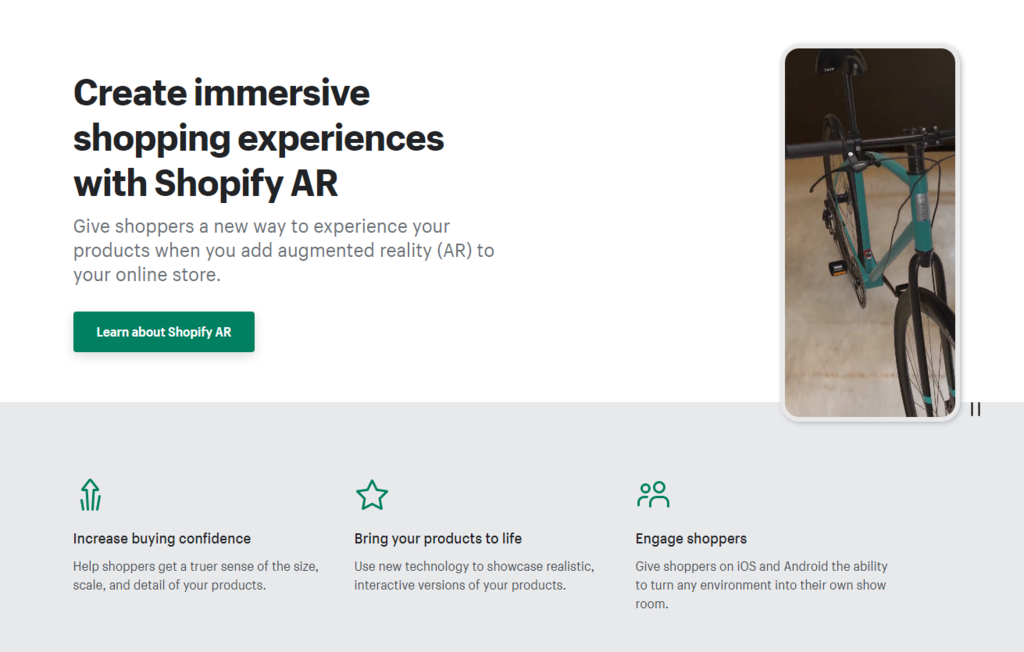
To overcome this limitation, some e‑commerce platforms are starting to use Augmented Reality (AR) and Virtual Reality (VR) technologies to provide a shopping experience that is closer to a physical store.
With this technology, customers can see an interactive, real‑time product simulation without having to come to the store directly. For example, they could see what they would look like wearing a particular shirt or whether a side table would match the color of the room.
3. Customers expect fast responses
When shopping online, customers usually expect a quick answer when they have questions about payment, order status or estimated delivery time.
If the store takes too long to respond, they may switch to another seller who can provide faster assistance.
Therefore, you should have a customer service team that is ready to help at all times, especially if the store serves buyers from different regions with different time zones.
You can also add a chatbot to your website to automatically answer frequently asked questions. This feature helps customers get information quickly without always having to wait for a customer service staff member.
However, chatbots are not yet fully able to replace direct communication with staff, especially when customers need more complex problem handling or assistance that is appropriate to their situation.
4. Mandatory account creation can discourage customers from shopping
Not all customers are willing to create an account when shopping online. For those who only want to buy one product or do not plan to shop again, the registration process may feel cumbersome and time‑wasting.
Mandatory account creation can also be a barrier when customers want to complete a transaction quickly.
In addition, some buyers may be concerned about the security of their personal data. When registering, they are usually asked to enter information such as email address or phone number. Not to mention the payment information required at checkout.
Concerns that this data could be leaked or misused can make customers hesitant to continue the purchase.
To help protect customer information, make sure the website uses a secure HTTPS connection, for example by installing an SSL certificate. This certificate supports encryption of the connection between the browser and server so that the information sent is more protected from interception.
Visitors can check the security of the connection through the website information in the browser. Its appearance may differ, and not all browsers display a padlock icon as before. Note also that HTTPS protects the connection but does not automatically guarantee that all website activity is safe from fraud.
To protect payment transactions, use a trusted payment gateway that has an adequate security system.
5. Business competition is very tight
The ease of opening an online store has led to more and more businesses entering the e‑commerce market. As a result, competition is becoming increasingly tight, especially for products that are widely sold by other stores.
Customers can also compare prices from various sellers quickly. This condition makes business owners need to continue to monitor market developments and competitor strategies.
One way to face competition is to offer a unique selling proposition (USP), which is an advantage or unique value that distinguishes your business from competitors.
By offering something different, you have a stronger reason to attract customers without having to always compete through low prices.
In addition, the right marketing strategy can help businesses stand out more in the midst of competition and build a strong brand identity.
6. Shipping goods takes time and costs money
Even though customers can buy products with just a few clicks, they still have to wait until the goods are delivered to the destination address.
That waiting time, especially if accompanied by expensive shipping costs, can make potential buyers cancel their intention to complete the transaction.
Therefore, shipping is one of the important challenges for e‑commerce businesses that sell physical products.
Delivery time can vary depending on the courier service, type of service and recipient location. To help customers estimate when an order will arrive, provide shipping estimate information after they make a purchase.
It is also advisable to provide a package tracking feature so that customers can monitor the shipping status without having to keep contacting customer service.
If serving international shipping, also pay attention to the possibility of additional import duties and customs fees that customers have to pay. Make sure this information is conveyed from the start so that buyers understand the costs that may be charged.
In addition to cost and time issues, shipping also has the risk of damage or delay. Even though the goods have been packed neatly and processed as quickly as possible, the package can still arrive in a damaged condition or exceed the estimated delivery time.
7. Direct interaction with customers is more limited
One of the disadvantages of e‑commerce is the limited opportunity for sellers to explain products or services directly and face‑to‑face to customers.
For certain product categories, such as jewelry and high‑end fashion, some consumers may still prefer to shop in a physical store.
The reason is that they can consult directly with staff who understand the product, ask questions and get advice before deciding to buy.
Although online stores provide live chat and customer service, this experience may not be able to replace the face‑to‑face interaction that some buyers expect.
Helpful tips
Boost your business success chances by staying updated with the latest e‑commerce statistics and trends. This information can help you understand market shifts and adjust your business strategy.
Conclusion
E‑commerce offers promising business opportunities with various advantages, ranging from relatively low start‑up capital, broad market reach, to ease of managing and developing an online store.
Compared to physical stores, e‑commerce businesses may also require fewer employees for certain operations. Moreover, various e‑commerce platforms are now making it easier for anyone to start an online business.
However, before you start selling, it’s important to consider the advantages and disadvantages of e‑commerce comprehensively. By understanding the benefits and challenges, you can make better decisions and develop a business strategy that suits your needs.
Remember that the success of an e‑commerce business depends heavily on customer comfort and satisfaction, including ease of shopping and experiences that meet their needs.
Therefore, make sure you choose reliable hosting, determine the products or services you will sell, and develop a mature business plan.
Hopefully, this discussion about the advantages and disadvantages of e‑commerce helps you understand the important considerations before opening an online store. If you still have questions or want to share your experience, please write in the comments column. Good luck!
Common questions (FAQ) about the advantages and disadvantages of e-commerce
What are the benefits of e-commerce for small business owners?
E‑commerce helps small business owners and SMEs reach customers in local and international markets without having to spend a lot of capital opening a physical store. Through an online store, you can also more easily find potential customers, suppliers and business partners from various locations. In addition, the process of starting a business becomes more practical because you can set up an online store through an e‑commerce platform in just a few steps, without having to go to a specific business location.
What are the advantages of shopping online for consumers?
Two main advantages of shopping online for consumers are flexibility and time savings. Through e‑commerce, customers can search for and buy products or services at any time, 24 hours a day, 7 days a week, without having to go directly to a physical store. They can also compare options from various stores, see product information and complete orders conveniently from home.
All tutorial content on this website has undergone thorough review in accordance with the editorial standards and commitment of Hostinger.

            Add Hostinger as a preferred source on Google

            </div>
</div>
<div class="description mt-15 mt-30-md" readability="9">
    <p class="text-center text-sm-start">
        Teresia Dian is a linguist with 7 years of experience in product localization and content marketing. Her interest in technology drives her to keep up with the latest developments and share them through easy‑to‑understand tutorials.        </p>
</div>

</div>
Read more about other tutorials on the Seputar Tutorial Page. Thank you for visiting thecuy. 🙂

Saya adalah jurnalis di thecuy.com yang fokus menghadirkan berita terkini, analisis mendalam, dan informasi terpercaya seputar perkembangan dunia finansial, bisnis, teknologi, dan isu-isu terkini yang relevan bagi pembaca Indonesia.
Sebagai jurnalis, saya berkomitmen untuk:
Menyajikan berita yang akurasi dan faktanya terverifikasi.
Menulis dengan bahasa yang mudah dipahami, namun tetap menjaga integritas jurnalistik.
Menghadirkan laporan mendalam yang memberi perspektif baru bagi pembaca.
Di thecuy.com, saya tidak hanya melaporkan berita, tetapi juga berupaya menganalisis tren agar pembaca dapat memahami konteks di balik setiap peristiwa.
📌 Bidang Liputan Utama:
Berita Terbaru & ekonomi, keuangan.
Perkembangan teknologi dan inovasi digital.
Tren bisnis dan investasi.
Misi saya adalah membantu pembaca mendapatkan informasi yang cepat, akurat, dan dapat dipercaya, sehingga mereka bisa membuat keputusan yang lebih cerdas dalam kehidupan sehari-hari maupun dunia usaha.
📞 Kontak
Untuk kerja sama media atau wawancara, silakan hubungi melalui halaman Kontak thecuy.com atau email langsung ke [email protected].