
To mark MAPPA’s 15th year milestone, studio head Manabu Otsuka and acclaimed director Kaori Makita, known for works like Hell’s Paradise and Kakegurui Twin, attended the German fan event AnimagiC.
During the convention, which featured a screening of the highly praised Chainsaw Man – The Movie: Reze Arc and a special fan panel discussing MAPPA’s history, Otsuka-san and Makita-san joined us for a chat about the anime business, the studio’s evolution, and their strategies for connecting with viewers worldwide.


Selected parts of this conversation have been trimmed for brevity and clarified where needed. This interview was carried out with the help of an interpreter.
Q: First of all, congratulations on MAPPA’s 15th anniversary. Which moment from the past decade and a half stands out to you as the pivotal turning point for the studio?
Otsuka-san: Our workflow is a continuous loop: as soon as one title finishes, the next one is already in motion, creating a steady pipeline that lets us keep delivering quality series to our viewers—an approach we love. However, this constant rhythm can become routine and formulaic, which I don’t think is ideal for long‑term stability or for keeping everyone engaged and happy. The real challenge is finding a way to keep this cycle fresh and more sustainable. We also value the contributions of young creators like Makita, who began directing in her late twenties, and I believe many of our best projects come from the fresh perspectives that only younger team members can offer. As a company, we aim to give emerging talent the freedom to express themselves, stay active, and be creative in their work.
Q: We’re curious about the production timeline: from the green‑light stage to the broadcast of the first episode, roughly how long does a typical TV anime take to produce at MAPPA?
Otsuka-san: The schedule has evolved a lot. Early on, when we were smaller, it might have taken about two years from concept to broadcast, with tighter budgets and a different workflow. Nowadays, the typical lead time is three years or more. For major productions, budgets have grown dramatically, and five years—or even longer—from planning to air is now common. That’s a huge shift from our early days.
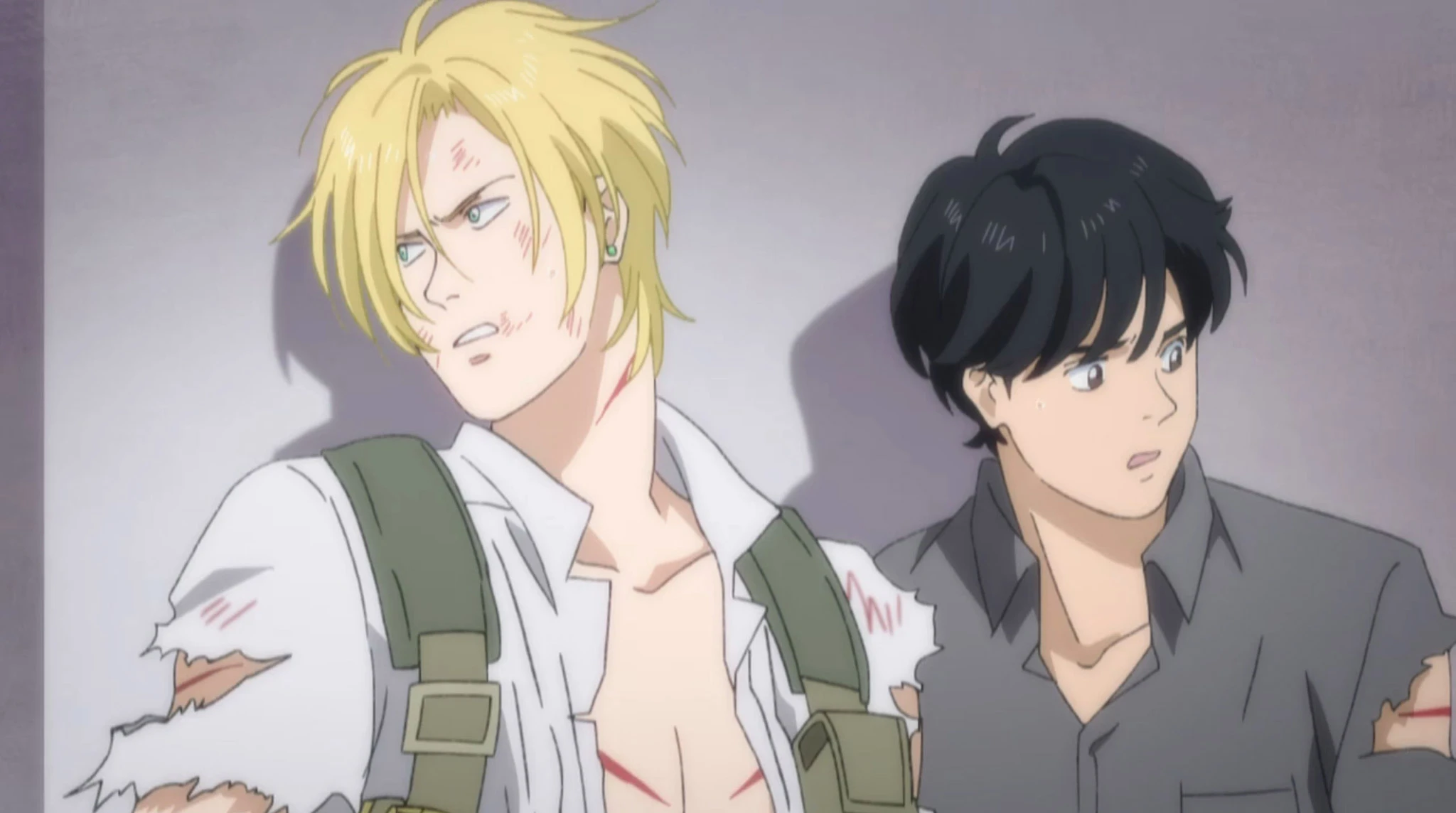
Q: Otsuka-san, you were at the helm of Yuri!!! on ICE and BANANA FISH, to name a few. Do you miss getting directly involved in the day‑to‑day production work?
Otsuka-san: Absolutely. Since stepping into a managerial role, I’ve had far less opportunity to focus on a single project. There’s something special about investing my time and energy into one series from start to finish and handing it off to fans—I do miss that. In retrospect, those days were truly enjoyable and memorable.
Q: Makita-san, looking back, is there anything you miss about being involved in production work during your early career?
Makita-san: Otsuka-san captured it well when he talked about the wrap party atmosphere—that’s truly the best gauge for me of outstanding work. When we’re reviewing the project, those moments stand out when the perfect image, lighting, or performance aligns exactly at the right time, making a scene click. Occasionally, a cut emerges that everyone across departments acknowledges as excellent; it’s hard to explain the exact reason behind that confidence, but you can feel the team’s energy surge. As for the subtle details that typical viewers might miss, while spectacular action certainly demands a lot, the everyday scenes in between are equally challenging. When a well‑crafted, everyday moment lands just right in the animation, I feel a genuine sense of accomplishment—those understated scenes may look simple at first glance, but they’re incredibly difficult to pull off. Anime is a collaborative effort, and while we strive for perfection in every detail, the nature of teamwork sometimes means we can’t reach absolute precision.
Q: While some studios tend to specialize in certain genres, MAPPA has produced works ranging from sports anime to historical tales and comedy. For you, what’s the key consideration when developing a new project?
Otsuka-san: We keep two priorities in mind. First is the audience: we avoid forcing our own tastes or sticking to a single genre. Our goal isn’t a narrow fan base; we want everyone—across ages, backgrounds, and societies—to be able to enjoy MAPPA’s works. To reach that wide audience, we stay flexible in how we plan projects, aiming to speak to anyone who might tune in. Second, we think about the creators themselves. We don’t want to dictate a strict MAPPA style or tell artists what we’ll produce. Instead, we aim to give each person the freedom to bring their full creativity to the table, and as a studio we want to remain adaptable, meeting creators where they are. That collaborative space—working side‑by‑side with them—is what we strive to provide.
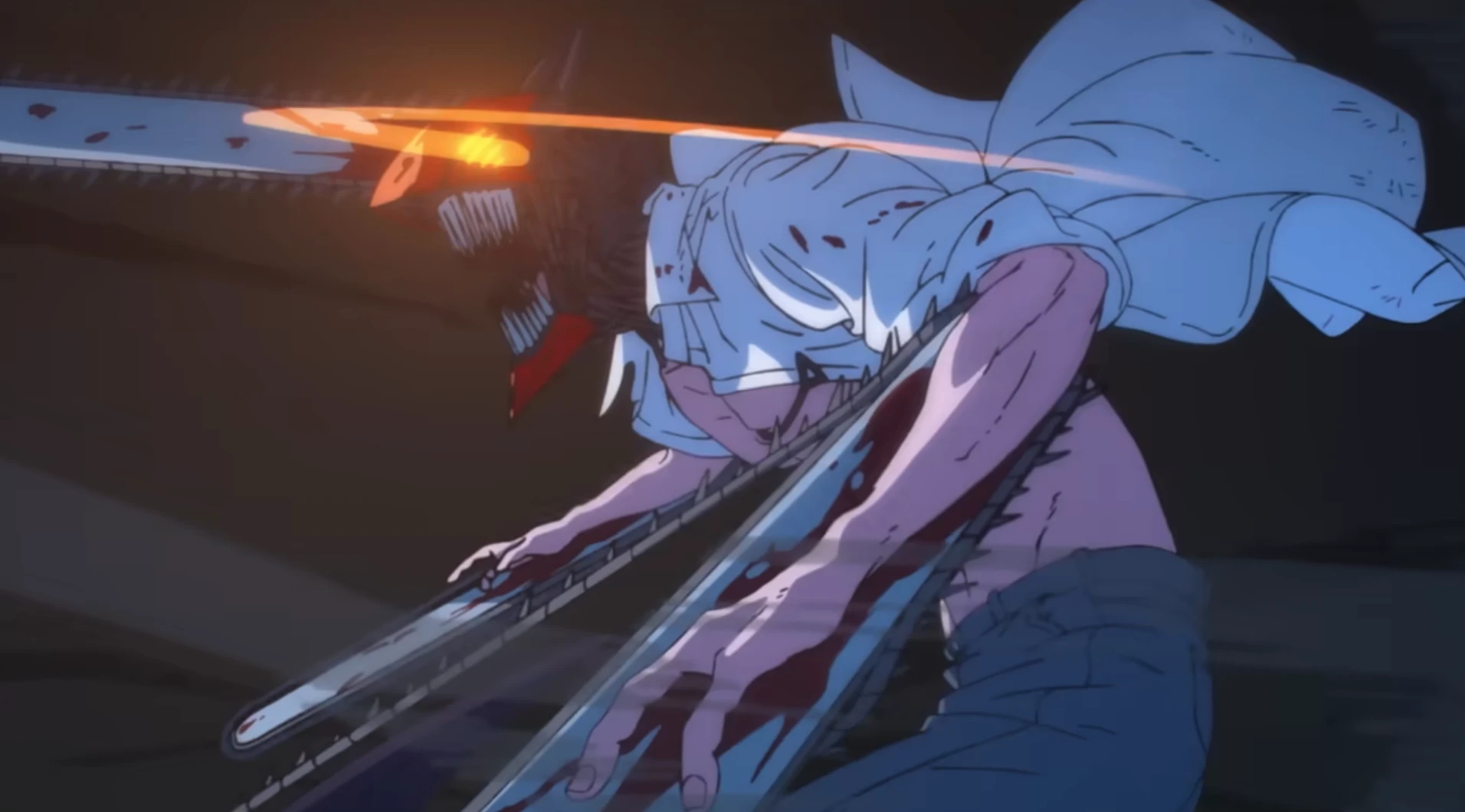
Q: The Chainsaw Man project marked a shift for MAPPA, as we took full financial responsibility for the production instead of relying on the traditional committee model. In hindsight, what key lessons did this experiment provide for how anime could be produced going forward?
Otsuka-san: We’re always balancing creation and distribution—the artistic and the commercial sides, both of which matter a lot. In the standard model, studios typically focus only on the creative work, handing off distribution to production committees and other partners. With Chainsaw Man, we decided to handle both creation and distribution ourselves, giving us full control over the entire process. By managing distribution ourselves, we can keep the creative choices that our team poured effort into, ensuring those visions stay true when the work reaches viewers. At the same time, the production crew already understands how the title should connect with the audience, allowing them to align their work more closely with that goal. This close partnership between creation and distribution was a major undertaking, but we gained valuable insights that will shape how we approach future projects.
Q: What specific actions is MAPPA implementing to help young animators develop sustainable, long‑term careers within the studio?
Otsuka-san: Our workflow is a continuous loop: as soon as one title finishes, the next one is already in motion, creating a steady pipeline that lets us keep delivering quality series to our viewers—an approach we love. However, this constant rhythm can become routine and formulaic, which I don’t think is ideal for long‑term stability or for keeping everyone engaged and happy. The real challenge is finding a way to keep this cycle fresh and more sustainable. We also value the contributions of young creators like Makita, who began directing in her late twenties, and I believe many of our best projects come from the fresh perspectives that only younger team members can offer. As a company, we aim to give emerging talent the freedom to express themselves, stay active, and be creative in their work.
Q: Why did MAPPA decide to move some production out of Tokyo, and how has this shift affected the studio’s internal dynamics?
Otsuka-san: The animation business is heavily centered in Tokyo; for most people, moving there is practically a requirement to get into the field. Since both Makita and I hail from Shizuoka, it was only by relocating to the capital that we were able to cross paths, collaborate, and even pursue anime work at all. Without that move, it’s unlikely we would have entered this industry. We recognized that this geographic concentration creates a barrier for talented youths elsewhere. Many promising creators in other regions have to abandon their aspirations because relocating to Tokyo isn’t feasible. To address that, we established a studio in Tohoku to gather and support young talent where they live, giving them a chance to pursue their dreams without having to move. We also set up a base in Osaka, where a vibrant gaming industry and plenty of young talent—including students—thrive. We wanted to give these individuals the opportunity to work with us as well. This multi‑location approach, however, brings its own set of challenges, especially on the management and administrative fronts. As we expand across regions, our administrative structures need to grow in tandem, and we’ve found this to be a significant transformation for the company. It’s been a learning experience, and we’re happy to tackle these hurdles.
Q: With anime now reaching a worldwide audience, does the international market affect the projects you select or how you create them? And do you think anime is strongest when it’s made primarily for Japanese viewers?
Otsuka-san: International viewers certainly play a role in shaping our choices, but we’re careful not to let that sway us too heavily or cause us to sacrifice the distinctive qualities that make Japanese anime special. We aim to stay balanced: learning what works from the global market while preserving the core elements that have defined Japanese anime for years.
Makita-san: As creators, we don’t think about catering specifically to Japan or overseas audiences while we’re working; the nationality of the viewers is essentially a secondary concern. For an adaptation, our goal is to honor the source material so thoroughly that both the original fans and anyone new to the story can appreciate and love it to the fullest. I believe anime’s global appeal stems from the fact that viewers everywhere can connect with it in a similar way, regardless of where they’re from. When we create, we focus less on targeting a specific country and more on extracting the best possible quality from the work itself. I think many of my fellow creators share this mindset.
Q: With emerging technologies like AI and other digital tools, how do you view their integration into anime production, and where do you think the boundaries should be drawn?
Otsuka-san: Whether we’re talking about digital tools, 3D tech, or AI, I see them all as just instruments—not ends in themselves. The emotional impact that truly resonates with audiences can only stem from human creators. My core belief is that the creative spark must come from people. The key question, then, is which tools we employ, how we use them, and in what measure. We’ll keep experimenting with this balance as the technology evolves. At the end of the day, tools can boost efficiency, but the heart of creation remains a human endeavor.
Q: In a finished MAPPA project, what subtle detail indicates to you that the team put in exceptional work—a nuance a typical viewer might miss?
Otsuka-san: As a manager, I’m not constantly scrutinizing every minute detail of the production process. What really tells me the team has done an outstanding job is the atmosphere at the wrap party after completion. When we gather, raise a glass, and share a moment together, I can sense that everyone gave their all and that we successfully delivered a quality piece. That shared feeling in the room is a clear indicator of excellent work.
Makita-san: Otsuka-san captured it well when he talked about the wrap party atmosphere—that’s truly the best gauge for me of outstanding work. When we’re reviewing the project, those moments stand out when the perfect image, lighting, or performance aligns exactly at the right time, making a scene click. Occasionally, a cut emerges that everyone across departments acknowledges as excellent; it’s hard to explain the exact reason behind that confidence, but you can feel the team’s energy surge. As for the subtle details that typical viewers might miss, while spectacular action certainly demands a lot, the everyday scenes in between are equally challenging. When a well‑crafted, everyday moment lands just right in the animation, I feel a genuine sense of accomplishment—those understated scenes may look simple at first glance, but they’re incredibly difficult to pull off. Anime is a collaborative effort, and while we strive for perfection in every detail, the nature of teamwork sometimes means we can’t reach absolute precision.
Q: Some genres—such as sports anime or historical settings—demand specialized knowledge. Does MAPPA seek out expert consultants when working on these types of projects?
Otsuka-san: Nowadays, viewers worldwide often scrutinize details on social media, questioning accuracy. To ensure our audience can enjoy the story without getting bogged down by factual errors, we deliberately seek expert guidance whenever possible.
Makita-san: I agree entirely. Looking back to projects like Terror in Resonance, we often teamed up with specialists—architectural consultants for realistic building collapses or police experts for equipment details. However, achieving total accuracy is challenging because many hands are involved in the artwork; even if I have deep knowledge, the artists rendering a scene may interpret it through their own style, which can lead to subtle differences. Anime is a collaborative effort, and while we strive for perfection in every detail, the nature of teamwork sometimes means we can’t reach absolute precision.
Q: Finally, after spending this weekend at AnimagiC and meeting European fans—especially German ones—has your perception of the European anime community shifted? Do you see any differences in how European fans interact compared to Japanese fans?
Otsuka-san: I haven’t had the chance to explore all of Europe yet—I’ve attended a few events in France, but that’s not enough to form a full picture. However, what stands out is how deeply the fans here understand the stories and characters, along with their evident love and enthusiasm for the work. Comparing German fans to Japanese fans, I notice a similar warmth—politeness and a respectful attitude toward both the creations and the creators. This vibe feels very much in line with what we experience among Japanese fans, creating a comfortable atmosphere for both sides. Overall, it’s been an overwhelmingly positive experience, and I’m truly grateful for the chance to attend.
Makita-san: This is my very first visit to Europe, and my expectations—of enthusiastic cosplayers, artists, and passionate fans—were perfectly met here. What struck me most is the profound respect and sensitivity people show toward anime as a medium, the stories themselves, and those involved in production. The fans are deeply curious and eager to learn about and explore the art form on their own. It’s been an extraordinary experience, and I’m truly grateful for everything.
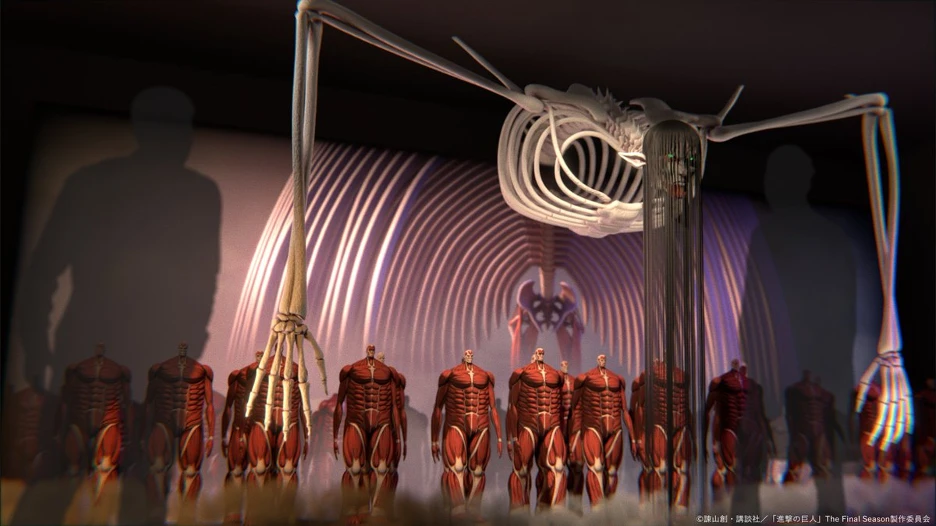
ⒸHajime Isayama, KODANSHA/”ATTACK ON TITAN” The Final Season Production Committee.
We are grateful to Otsuka-san and Makita-san for taking the time to speak with us during the convention. Their choice to mark MAPPA’s 15th anniversary with audiences abroad at AnimagiC is especially appreciated.
If you’re in the area, be sure to check out the “MAPPA EXPO 15th Anniversary” exhibition at Tokyo’s YURAKUCHO MUSEUM, running from September 16 through December 7, 2026.
Discover more anime titles on Info Anime & manga terbaru.
terimakasih sudah mengunjungi thecuy. 🙂

Saya adalah penulis di thecuy.com, sebuah website yang berfokus membagikan tips keuangan, investasi, dan cara mengelola uang dengan bijak, khususnya untuk pemula yang ingin belajar dari nol.
Melalui thecuy.com, saya ingin membantu pembaca memahami dunia finansial tanpa ribet, dengan bahasa yang sederhana.