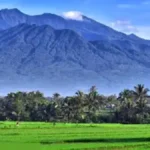
TASIKMALAYA, Thecuy.com—The plan for a geothermal project at Mount Galunggung in Tasikmalaya has drawn the attention of environmental activists. The project is considered to have negative impacts on the lives of the community, especially regarding the security of water sources.
Geothermal development is technically a method of harnessing geothermal heat as a potential source of electrical energy. However, its activities certainly cause various impacts, especially on the environment.
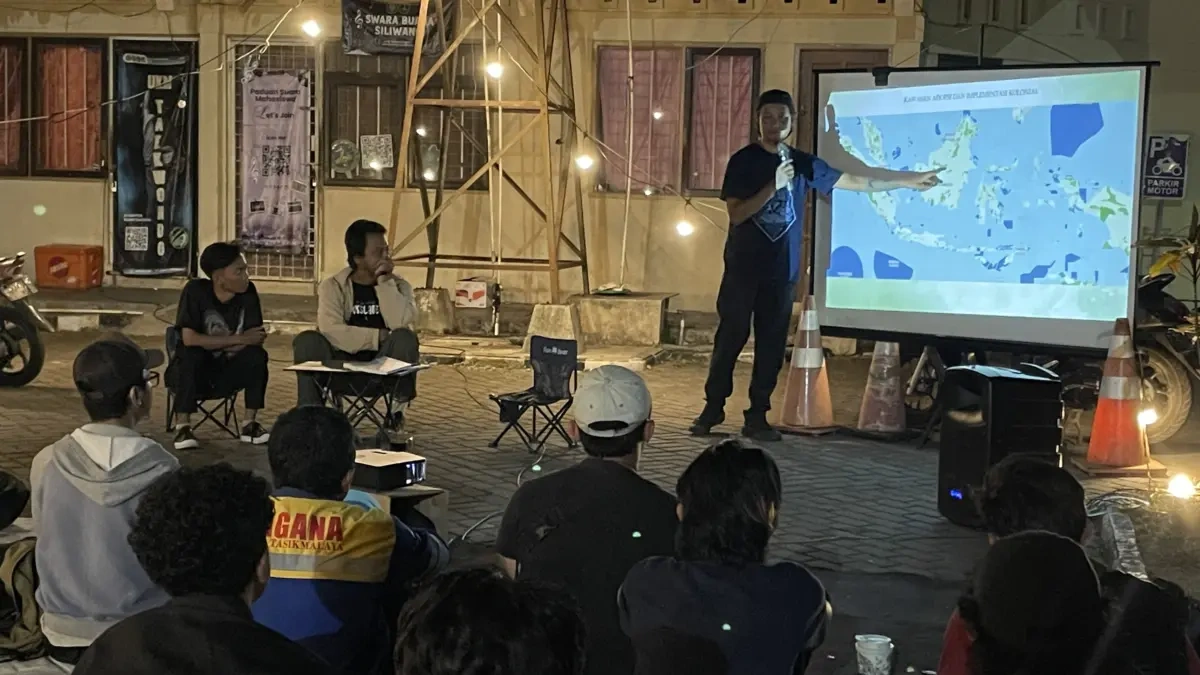
In response, environmental activists from a nature-loving community watched the documentary “Fighting Geothermal Fever” together and held a discussion at Unsil Campus on Friday (9/10/2026).
Read Also:The fugitive perpetrator of a deadly violence case in Tasikmalaya was apprehended by police in NTT; badly and repeatedly, an illegal TPS on Jalan Lukmanul Hakim in Tasikmalaya city has been fenced.
The documentary featured the dynamics of a similar project at Mount Gede Pangrango within the Unsil campus environment on Friday evening (9/10/2026). From environmental pollution and damage that occurred, community rejection to forced efforts by the government to push forward the project.
Followed by a discussion featuring Pepep DW from Gunung Institute and academics Zulfi Gumilang Sudrajat. The discussion focused on introducing geothermal and Mount Galunggung, linking it to the planned project that has become a point of concern.
According to Pepep’s view, the real impact of the geothermal project’s existence is the loss or damage of water sources. Therefore, the effects of such work cannot be taken lightly. “Water, the most obvious is water,” he said.
He explained that the implementers or supporters would argue that it would not damage water sources, using theoretical explanations that seemingly guarantee safety. “They will definitely use arguments that it won’t damage water at a depth of 2000 something,” he said.
However, the reality he discovered is that locations where geothermal is already operating clearly have a negative impact on water sources. For instance, in Kamojang and Pangalengan, it has led to the disappearance of lakes in each respective location. “From these two findings alone, it can be empirically proven that after the presence of geothermal, two ponds have disappeared,” he said.
Moreover, Galunggung is one of the water suppliers for the Tasikmalaya and Garut regions. Certainly, when its water sources are damaged, the impact is not only felt by the residents around Galunggung. “Ecologically, the impact is very large, to the north, south, east, west,” he explained.
Read other news as well at News Page
Terimakasih sudah mengunjungi thecuy . 🙂

Saya adalah jurnalis di thecuy.com yang fokus menghadirkan berita terkini, analisis mendalam, dan informasi terpercaya seputar perkembangan dunia finansial, bisnis, teknologi, dan isu-isu terkini yang relevan bagi pembaca Indonesia.
Sebagai jurnalis, saya berkomitmen untuk:
Menyajikan berita yang akurasi dan faktanya terverifikasi.
Menulis dengan bahasa yang mudah dipahami, namun tetap menjaga integritas jurnalistik.
Menghadirkan laporan mendalam yang memberi perspektif baru bagi pembaca.
Di thecuy.com, saya tidak hanya melaporkan berita, tetapi juga berupaya menganalisis tren agar pembaca dapat memahami konteks di balik setiap peristiwa.
📌 Bidang Liputan Utama:
Berita Terbaru & ekonomi, keuangan.
Perkembangan teknologi dan inovasi digital.
Tren bisnis dan investasi.
Misi saya adalah membantu pembaca mendapatkan informasi yang cepat, akurat, dan dapat dipercaya, sehingga mereka bisa membuat keputusan yang lebih cerdas dalam kehidupan sehari-hari maupun dunia usaha.
📞 Kontak
Untuk kerja sama media atau wawancara, silakan hubungi melalui halaman Kontak thecuy.com atau email langsung ke [email protected].