
Thecuy.com, Kediri – The East Java provincial administration, together with the Kediri district and city authorities, is now pushing for regional waste‑management cooperation to back the development of a Waste‑to‑Energy Power Plant (PLTSA). The move is aimed at providing an effective way to handle waste while also turning it into an electricity source.
Cooperation had previously stalled when Kediri city withdrew because of fiscal limits and the existence of the Klotok final waste site that is already operating. However, the chance to restart the partnership is now wide open, following a central‑government program that promotes converting waste into electricity via PLTSA.
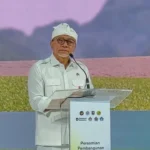
Waste Volume and Technical Challenges
Current data shows that the daily waste volume in Kediri district amounts to about 670 tons, while Kediri city generates roughly 180 tons, making a total of 850 tons per day. This level is still far below the threshold needed for a PLTSA to run, as the plant requires thousands of tons of waste each day. Therefore, involving other nearby areas is being considered as a way to meet this requirement.
Beyond volume, sorting waste from household sources up to the Temporary Waste Collection Site (TPS) is an essential condition so that the waste types processed meet technical specifications. This sorting also helps ensure the efficiency of further processing and reduces the risk of environmental contamination.
Regulations and Waste‑Management Socialization
To address the rising waste volume that comes with population growth and economic development, the Kediri district and city governments have issued rules limiting the use of single‑use plastics—namely Governor Regulation Number 35 of 2025 and a corresponding Mayoral Regulation. These rules form a key part of preventive actions.
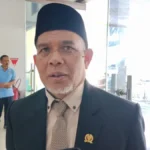
The Chairman of Commission D of the East Java Provincial Legislative Council, Khusnul Arif Wakil, stressed that massive public outreach is needed so that waste can be managed effectively. Together with environmental activists, residents are urged to sort waste, turn organic material into compost or fertilizer, and lower the risk of pollution.
Experiences of Other Regions as Reference
The present PLTSA model is already operational in the Malang Raya area and also in Surabaya, Sidoarjo, Lamongan, Mojokerto, and Gresik. These waste‑management practices serve as examples that Kediri can use as a guide when building a sustainable, integrated waste‑handling system. In particular, source‑based waste sorting is seen as crucial to success, as demonstrated in Benowo, Surabaya.
With solid collaboration among the provincial, district, and city governments, backed by community involvement, a more unified waste‑management approach is hoped to be achieved. This will not only aid in providing renewable energy through PLTSA but also help keep the Kediri area clean and environmentally sound.
Baca juga Berita lainnya di News Page
terimakasih sudah mengunjungi thecuy. 🙂

Saya adalah jurnalis di thecuy.com yang fokus menghadirkan berita terkini, analisis mendalam, dan informasi terpercaya seputar perkembangan dunia finansial, bisnis, teknologi, dan isu-isu terkini yang relevan bagi pembaca Indonesia.
Sebagai jurnalis, saya berkomitmen untuk:
Menyajikan berita yang akurasi dan faktanya terverifikasi.
Menulis dengan bahasa yang mudah dipahami, namun tetap menjaga integritas jurnalistik.
Menghadirkan laporan mendalam yang memberi perspektif baru bagi pembaca.
Di thecuy.com, saya tidak hanya melaporkan berita, tetapi juga berupaya menganalisis tren agar pembaca dapat memahami konteks di balik setiap peristiwa.
📌 Bidang Liputan Utama:
Berita Terbaru & ekonomi, keuangan.
Perkembangan teknologi dan inovasi digital.
Tren bisnis dan investasi.
Misi saya adalah membantu pembaca mendapatkan informasi yang cepat, akurat, dan dapat dipercaya, sehingga mereka bisa membuat keputusan yang lebih cerdas dalam kehidupan sehari-hari maupun dunia usaha.
📞 Kontak
Untuk kerja sama media atau wawancara, silakan hubungi melalui halaman Kontak thecuy.com atau email langsung ke [email protected].