“Show your work.” — Austin Kleon
Kombinasi Skill untuk Membangun Keunggulan Kerja👤 Jurnalis Berita • 31/10/2026
I have often observed two candidates speaking confidently about their abilities, yet only one presenting concrete examples of their work; concrete evidence of work is what makes a conversation feel immediately more tangible.
Hasil Kerja Nyata Mengubah Klaim Menjadi Kredibilitas

You may have said, “I am excellent at managing projects,” or “I can raise omzet,” hoping others would believe you instantly.

Nevertheless, those who hire or engage you need to know how that skill appears when put into action.
Concrete examples make claims easier to verify, compare, and remember after a conversation ends.
For instance, “I helped the team finish a project faster” feels more convincing if you can describe the process, timeline, and changes implemented.
Credibility grows when your words leave a trace that others can see.
That trace doesn’t have to be a spectacular number or a huge project, because workflow designs, brief reports, writing, and experimental results can also illustrate how you think.
Austin Kleon encourages readers to Show Your Work, which means sharing the process and creations so that others can grasp your contributions, not just hear descriptions about you.
Thus, when you mention a skill, prepare one example that explains how that skill was applied and what the outcome was.
Alasan Klaim Skill Tidak Cukup di Lingkungan Kerja
Skill claims are easy to make, but hard to evaluate without context and supporting evidence.
If you claim you can analyse data, interviewers still need to know whether your analysis helped the team make decisions or simply produced a lot of charts.
Likewise, when you say you are communicative, potential clients may want to see proposals, presentations, or examples of communication that ease misunderstandings.
“But I don’t have much experience yet,” you might think, and that is a valid concern.
You can still demonstrate evidence from small assignments, volunteer projects, self‑study, or process improvements you made within a team.
Crucially, explain the limits of your contribution honestly so that the results don’t look like exaggerated claims.
In the article The Feedback Fallacy, Marcus Buckingham and Ashley Goodall from Harvard Business Review discuss the pitfalls of assessments that rely too heavily on others’ assumptions about performance.
That idea is relevant when you are building credibility, because specific evidence gives people material to understand your work without having to guess at your abilities.
If the outcome wasn’t ideal, also share what you learned and how your approach changed afterwards.
That kind of response demonstrates professionalism, not an attempt to hide shortcomings.
Panduan Membuat Bukti yang Bermanfaat untuk Dinilai


Good evidence isn’t a stack of documents; it’s a selection of examples that address the needs of the person evaluating your work.
Start by picking one problem you’ve tackled, then briefly describe the initial situation.
Next, describe the part you were responsible for, the actions you took, and the results that followed.
For example, an operations staff member could explain that the previous weekly reporting process took three hours, then they created a template that reduced the time to one hour.
If the result is numeric, provide context such as the measurement period, number of users, or how the figure was calculated.
If the result can’t be expressed in numbers, demonstrate observable changes such as fewer steps, fewer revisions, or increased task clarity.
Don’t claim to have done all of the work if your contribution was only in one part, because honesty actually makes your explanation more credible.
Organize the evidence in a format that’s easy to access, such as a simple portfolio, a one‑page case study, or a short presentation with links to work samples.
You don’t need to make everything look flashy, because clean design and clear information are more useful than flashy visual effects.
I typically recommend one strong primary example for each key skill, so that readers don’t have to dig through a lot to understand your contribution.
The goal isn’t to look busy, but to make your work value easy to grasp.
Contoh Kasus Membuat Hasil Lebih Jelas Terlihat
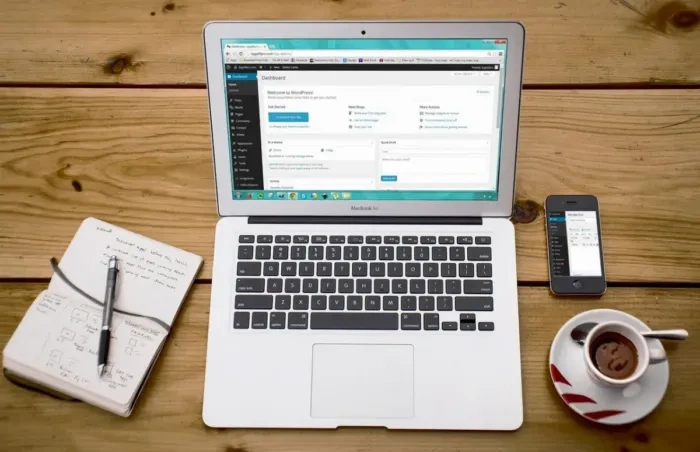
A case study helps you explain the journey from problem to result, not just showcase the final product.
Use a simple sequence: initial situation, challenge, your actions, result, and lessons you bring to the next job.
For example, a designer could show that many users failed to complete a form, then explain the change in column order and the testing performed.
If the completion rate rose from 62 percent to 78 percent in one month, specify the time frame and data source so that the figure carries meaning.
If internal data can’t be shared, anonymize the company name and sensitive numbers, then explain the limits on the information you can reveal.
A case study can also be a brief story in an interview, as long as the flow remains clear and you don’t go into every project detail.
“What is most important to showcase?” Choose the part that is closest to the problem the recruiter, boss, or potential client wants to solve.
Prospective clients looking to cut costs may be more interested in the process you streamlined than in the list of software you know.
On the other hand, managers looking for a team leader may want to see how you divided responsibilities and handled obstacles.
One relevant story is often stronger than ten examples that lack direction.
Konsistensi Membuat Bukti Lebih Terpercaya
One good result can open a conversation, but consistency shows that your ability can be relied upon in more than one situation.
You don’t always have to produce rising numbers, because project conditions, resources, and team needs can change.
What needs to be visible is that your work still has reasoning, a clear process, and evaluation when results fall short of targets.
For instance, a freelancer could keep a project log containing scope, delivery dates, number of revisions, and client feedback.
After several projects, those notes help you recognize patterns, such as types of work that finish on time or points that often trigger revisions.
Simple notes can also serve as material when requesting a salary increase or discussing new responsibilities with a boss.
Instead of saying, “I deserve a promotion,” you can show increased responsibilities, problems you successfully resolved, and consistent results over several periods.
If you’re just starting out, gather small pieces of evidence regularly rather than waiting for one perfect project that may never come.
Each month, pick one work example, record your contribution, and ask permission before sharing any confidential information.
That step makes your portfolio grow from real experiences, not from claims hastily assembled when a job opening appears.
Ayo Tampilkan Hasil Kerja, Bukan Sekadar Cerita
Skill claims remain useful as an opener, but relevant evidence gives people reason to trust and remember you.
You can start today by choosing one piece of work you are most proud of, then write about the problem, your contribution, the process, and the result in five sentences.
Afterwards, ask yourself whether someone unfamiliar with the project could understand your role and the benefit of the result.
If not, add the needed context, not louder promotional sentences.
Tomorrow, you might face an interview, a performance review, or a conversation with a prospective client, and you won’t need to rely on spontaneous memory to explain your value.
I believe that when you nurture work evidence with honesty and consistency, your abilities feel more real to others and clearer to yourself.
Reflect: what result is most worthy for you to showcase, and what can others understand from that evidence?
Free to read. If it helped, feel free to buy me a coffee.
Thank you, yes
Even the smallest support helps the next article come out faster.
Feel free to leave a comment after sending support so I can say thank you. ^^
Like this article? Get the next one via email
One email per week. Content you won’t find on the blog.
No spam. Unsubscribe anytime.
Thanks! Check your inbox (also Promotions/Spam folder).
Also read other news at News Page
Thanks for visiting thecuy. 🙂

Saya adalah jurnalis di thecuy.com yang fokus menghadirkan berita terkini, analisis mendalam, dan informasi terpercaya seputar perkembangan dunia finansial, bisnis, teknologi, dan isu-isu terkini yang relevan bagi pembaca Indonesia.
Sebagai jurnalis, saya berkomitmen untuk:
Menyajikan berita yang akurasi dan faktanya terverifikasi.
Menulis dengan bahasa yang mudah dipahami, namun tetap menjaga integritas jurnalistik.
Menghadirkan laporan mendalam yang memberi perspektif baru bagi pembaca.
Di thecuy.com, saya tidak hanya melaporkan berita, tetapi juga berupaya menganalisis tren agar pembaca dapat memahami konteks di balik setiap peristiwa.
📌 Bidang Liputan Utama:
Berita Terbaru & ekonomi, keuangan.
Perkembangan teknologi dan inovasi digital.
Tren bisnis dan investasi.
Misi saya adalah membantu pembaca mendapatkan informasi yang cepat, akurat, dan dapat dipercaya, sehingga mereka bisa membuat keputusan yang lebih cerdas dalam kehidupan sehari-hari maupun dunia usaha.
📞 Kontak
Untuk kerja sama media atau wawancara, silakan hubungi melalui halaman Kontak thecuy.com atau email langsung ke [email protected].