“Choosing what not to do lies at the heart of strategy.” — Michael Porter, Harvard Business Review.
Hasil Kerja: Cara Mengubah Skill Jadi Dampak Nyata👤 Jurnalis Berita • 22/10/2026
On Monday morning, you open a job posting and see a familiar list of requirements: communication, Excel, presentations, and teamwork.
Combining skills can help you stand out without needing to master rare abilities, because extra value often comes from how you use common skills to solve specific problems.

Why Ordinary Skills Can Become an Advantage
Common abilities like writing, data processing, schedule management, or client communication are widely known, so it’s natural to wonder, “If everyone can do it, what makes me different?”
The answer is often not a single skill, but a blend of capabilities, experience, industry knowledge, and work habits you’ve built over time.
Porter discusses what gives a strategy direction in his article for Harvard Business Review, including the idea that the essence of strategy is choosing what not to do.
You can apply that principle to your career: you don’t need to be the best at everything, but you need to be clear about which problems you can solve better.
Your advantage doesn’t have to sound extraordinary, but it needs to feel useful for someone facing a real problem.
Seeing it this way is good news for workers who feel their skills are ordinary, because you can build a differentiator from what you already know, not start from zero.
Combining Skills That Match the Problem

Imagine two people who can both use spreadsheets and create reports, but the first only sends raw numbers, while the second knows which figures the sales team needs to act on.
Their abilities appear similar, but the second combines data processing with an understanding of the sales process and clear communication.
That combination can turn a monthly report into actionable steps, such as reaching out to customers who haven’t made a repeat purchase or checking which products are frequently out of stock.
Start by writing three simple columns in a notebook: the skills you have, the problems you commonly encounter, and the people or teams who benefit when those issues are resolved.
For example, you could write “Excel”, “overtime data is hard to read”, and “the operations manager needs to know the cause of shift delays”.
Then look for a logical connection between the columns, rather than forcing all your abilities to sound unique.
If you’re an admin who regularly organizes documents, understands service schedules, and patiently answers customer questions, you might be able to help the team reduce complaints caused by scattered information.
That may not sound like a new job title, but the impact is clear and easy for supervisors or potential clients to understand.
Gaining Context Through Experience

Advantages that rely on memory or extra daily effort are hard to sustain, so turn your experience into reusable processes.
If you often prepare reports, create a checklist covering data sources, time periods, common mistakes, and who needs to receive the results.
If you handle customers, keep a record of frequent question patterns, approved answers, and cases that need escalation to another team.
Processes don’t need to be lengthy documents; even a one-page note or a simple template can reduce errors and speed up work.
You might think, “If everything is documented, isn’t it easy for someone else to replace me?”
Rather, a tidy process makes your contributions more visible, while your advantage grows from the ability to read situations, update procedures, and handle exceptions not covered in manuals.
Also note the results before and after changes, such as the number of revisions, response time, input errors, or work the team can complete without waiting for one person.
That simple data helps you articulate the value of your work during performance reviews, responsibility negotiations, or when applying for a new position.
Understanding Industry Language and Rhythm

The same skill can have different value in different industries, because each field has its own problems, rules, success metrics, and work rhythms.
A meticulous person in finance might help check for transaction mismatches, while precision in a warehouse could mean matching inventory counts before a shipment leaves.
You don’t need to switch industries outright to learn context; many clues can be found in conversations with coworkers, work documents, and customer questions.
Ask simple questions to people close to the problem: “What kind of mistake most often delays work?” or “What information do customers most frequently look for?”
Listen to the language they use, then find out which decisions depend on that information.
If you want to move into a new industry, study its workflow through small projects, informational talks, or cross‑team assignments before assuming all your skills automatically transfer.
Sometimes the technical‑sounding terms people use are just ways to describe everyday problems you’ve already encountered.
But don’t quickly claim expertise in a field just because you know the jargon, because real context shows up in better decisions, not in the number of industry buzzwords you can repeat.
Use Problem Understanding as Your Differentiator
People who only get instructions usually ask, “What do I need to do?” while those who understand the problem also ask, “What result is needed, and what’s blocking it?”
The second question doesn’t mean you should oppose instructions, but it helps ensure the work you produce truly meets the need.
For example, a manager asks for a new presentation design because sales meetings feel ineffective, but the real issue might be that the content is too long and potential customers struggle to see the key benefits.
If you can help identify the root cause, you might suggest a more concise information order before spending time tweaking colors and slide layouts.
Design skills remain useful, but problem understanding ensures those skills address the most critical aspects.
When you receive a task, try asking three things: who will use the result, what changes are expected, and what constraints must not be ignored.
If time is tight, simply repeat your understanding in one sentence to the person giving the task, like, “So the most important thing is that customers can compare two packages without reading every page.”
This often prevents revisions that could have been avoided and shows you’re not just waiting for the next to‑do item.
Build Workflows That Can Be Repeated
Advantages that rely on memory or extra daily effort are hard to sustain, so turn your experience into reusable processes.
If you often prepare reports, create a checklist covering data sources, time periods, common mistakes, and who needs to receive the results.
If you handle customers, keep a record of frequent question patterns, approved answers, and cases that need escalation to another team.
Processes don’t need to be lengthy documents; even a one-page note or a simple template can reduce errors and speed up work.
You might think, “If everything is documented, isn’t it easy for someone else to replace me?”
Rather, a tidy process makes your contributions more visible, while your advantage grows from the ability to read situations, update procedures, and handle exceptions not covered in manuals.
Also note the results before and after changes, such as the number of revisions, response time, input errors, or work the team can complete without waiting for one person.
That simple data helps you articulate the value of your work during performance reviews, responsibility negotiations, or when applying for a new position.
Show Evidence, Not Just a List of Skills
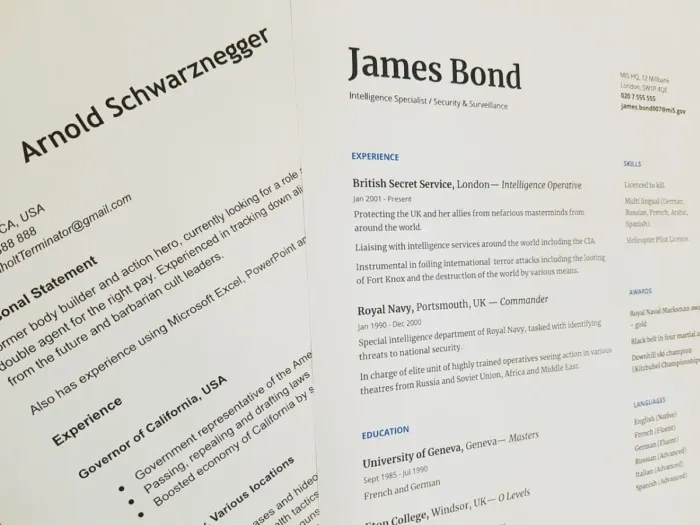
In a CV, a list like “communication, analysis, and collaboration” doesn’t give much insight unless you show how and why you used those skills.
Turn abilities into short stories that follow a problem‑action‑impact pattern: what issue you faced, how you applied your skills, and what changed.
For example, “Organizing the service team’s schedule with spreadsheets and addressing common customer complaints resulted in a more balanced workload and smoother peak‑hour responses.”
If you don’t have numbers, describe observable changes such as meetings that became shorter, information that became easier to find, or customers who no longer had to repeat the same questions.
Avoid exaggerating contributions, especially when results were a team effort, because honest claims are easier to explain in an interview.
You can also create a small portfolio of anonymized examples such as templates, workflows, or case studies without revealing company data.
The goal isn’t to make simple work look spectacular, but to help others see how you think and which contexts you understand.
Start with One Problem You Know
You don’t have to wait until you have five certificates or brand‑new abilities to start building an advantage.
Pick one recurring problem you understand, then combine two or three existing skills to make the improvement more concrete.
For instance, you often see customers misreading instructions, so you blend writing ability, product knowledge, and observations of incoming questions.
Make a small change, like reordering the steps in a guide, adding usage examples, or drafting quick answers to the most frequent queries.
Observe the impact for two to four weeks, then check whether repeated questions decrease, response time improves, or teammates find the process clearer.
If there is no change, that doesn’t mean you lack an advantage; it suggests the problem or your approach needs reconsideration.
Ask yourself: what skill feels ordinary to me but could help others solve a problem they face regularly?
Professional advantage can grow from answers you test in daily work, not from impressive labels on a profile.
Hopefully after reading this you can view your experiences and abilities with a more specific perspective, and choose one problem to understand deeper.
Free to read. If this helps, consider buying me a coffee.
Thank you
Even a small contribution helps the next piece appear faster.
Feel free to leave a comment after supporting, so I can thank you. ^^
Also check out other news on the News Page
Thanks for visiting thecuy. 🙂

Saya adalah jurnalis di thecuy.com yang fokus menghadirkan berita terkini, analisis mendalam, dan informasi terpercaya seputar perkembangan dunia finansial, bisnis, teknologi, dan isu-isu terkini yang relevan bagi pembaca Indonesia.
Sebagai jurnalis, saya berkomitmen untuk:
Menyajikan berita yang akurasi dan faktanya terverifikasi.
Menulis dengan bahasa yang mudah dipahami, namun tetap menjaga integritas jurnalistik.
Menghadirkan laporan mendalam yang memberi perspektif baru bagi pembaca.
Di thecuy.com, saya tidak hanya melaporkan berita, tetapi juga berupaya menganalisis tren agar pembaca dapat memahami konteks di balik setiap peristiwa.
📌 Bidang Liputan Utama:
Berita Terbaru & ekonomi, keuangan.
Perkembangan teknologi dan inovasi digital.
Tren bisnis dan investasi.
Misi saya adalah membantu pembaca mendapatkan informasi yang cepat, akurat, dan dapat dipercaya, sehingga mereka bisa membuat keputusan yang lebih cerdas dalam kehidupan sehari-hari maupun dunia usaha.
📞 Kontak
Untuk kerja sama media atau wawancara, silakan hubungi melalui halaman Kontak thecuy.com atau email langsung ke [email protected].