“The purpose of marketing is to know the customer so well that the product or service practically sells itself.”
Kenapa Produk Bagus Butuh Distribusi Produk dan Kepercayaan?👤 Jurnalis Berita • 13/10/2026
Peter Drucker, Management: Tasks, Responsibilities, Practices
Kadika pernah berpikir bahwa setelah produk selesai, tinggal menunggu pembeli datang.

Kalau kamu sedang membangun bisnis sambil bekerja, mungkin rasanya sama: malam hari dipakai memperbaiki produk, akhir pekan untuk memperbarui fitur, tetapi penjualan tetap belum terjadi.
Situasi ini membuat pikiranmu dipenuhi pertanyaan, apalagi jika produk terasa bagus dan kamu sudah mengeluarkan banyak tenaga untuk membuatnya.
Masalahnya, produk hanyalah satu bagian dari bisnis, sementara orang juga perlu tahu produk tersebut ada, percaya pada penjualnya, dan mengerti cara membelinya.
Bisnis mulai berjalan ketika bagian-bagian itu saling terhubung, bukan ketika barang atau jasanya selesai dibuat.
Membangun bisnis memerlukan lebih dari sekadar produk
Produk adalah sesuatu yang kamu tawarkan, sedangkan bisnis adalah serangkaian pengalaman mulai dari saat orang pertama kali mendengar namamu hingga setelah mereka melakukan pembayaran.
Misalnya, kamu menjual kelas persiapan wawancara kerja seharga Rp350.000.
Materi bisa tertata rapi dan instrukturnya berpengalaman, tetapi calon peserta masih perlu tahu masalah apa yang dibantu, jadwal kelasnya, cara mendaftar, dan apakah isinya sesuai dengan situasi mereka.
Kalau informasi-informasi itu tersebar atau samar, calon pembeli harus bekerja terlalu keras untuk memahami tawaranmu.
“If the product is good, won’t people recommend it on their own?”
It could happen, but recommendations usually come after people try the product and have a satisfying experience.
At the early stage, you still need to create a pathway so potential customers can find, understand, and try the product.
A good product is just the start, not a replacement for marketing, sales, trust, and consistent processes.
Kadika used to focus easily on visible things, such as features, packaging, or product page layout.
Kadika once spent time arranging the page so much that he forgot to explain why people need to buy, like going to a store and spending hours choosing curtains, hahaha.
Produk harus menjawab masalah yang nyata
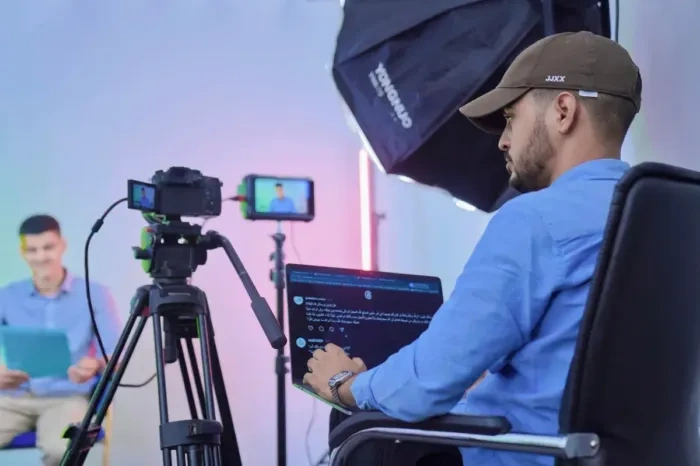
A product is easier to understand when potential buyers can connect it to the problem they are currently facing.
Instead of just writing *“career class with 12 videos”*, explain that the class helps participants craft a work experience story for interviews in three steps.
This difference matters because a list of features explains what you create, while benefits explain the change that buyers might gain.
In Harvard Business Review, Clayton Christensen and colleagues discuss the *Know Your Customers’ Jobs to Be Done* approach, which is about understanding the progress customers want to make in a given situation.
You can use that approach without complicated research.
Ask five potential customers what they are trying to accomplish, what they have already tried, and which part causes them the most difficulty.
Write down their words as they are, then use those answers to clarify the product content and how you explain it.
*“If we have to ask people first, won’t that delay product launch?”*
You don’t need to wait for perfect research, because a few brief conversations can help you avoid spending months creating something that is actually not needed.
You can start with a 15‑minute conversation, a short message to a former colleague, or a form with three easy questions.
Pemasaran membantu orang paham dan menemukan produk

Marketing is not just about creating promotional posts or paying for ads.
Marketing helps the right people understand what problem you solve, who is a good fit to buy, and why your offer is worth considering.
For example, a CV consultant could create content about common mistakes in describing work results, share examples of improvements, then explain a CV revision service for workers with three to seven years of experience.
That content has a clear connection to the product, so readers don’t have to guess what the next step is.
You also don’t have to be present on all channels at once.
Choose one place where potential customers actually are, then consistently explain one problem from multiple angles for a month.
For example, post twice a week on LinkedIn, answer potential buyers’ questions in the comments, and direct interested people to the service explanation page.
*“If we keep promoting, won’t people feel disturbed?”*
Feelings of disturbance often arise when the communication content is irrelevant or only asks people to buy without providing context.
Provide examples, explanations, or answers that help first, then present the offer clearly and without pressure.
Kadika advises you to check whether each message answers a real question, not just filling a content schedule.
If you’re unsure about determining the value of the skills offered, an article on how to turn skills into value could be a reflection before drafting marketing messages.
Penjualan membantu calon pembeli mengambil keputusan
Sales is a process of helping people understand their options and decide whether your product truly fits their needs.
This process can happen through a consultation conversation, a booking page, an online store, or direct messages that regularly answer questions.
Take, for example, a presentation design service priced from Rp1,500,000.
Potential clients need to know the number of slides included, how long the work will take, what revisions are available, what materials to prepare, and when payment is due.
If those details are unclear, potential clients might stop not because they don’t need the design, but because they are not sure what they will receive.
Make sure the purchase path is easy to follow.
Show a booking button, a short form, scheduling options, or a way to contact you without making people search for too long.
*“I’m not comfortable offering a product directly, I’m afraid it might seem pushy.”*
You can start with a question to understand their needs, then explain relevant options and let the person make the decision.
Note recurring questions, because the same answers can be turned into information on the sales page or product explanation material.
That way, the sales process feels helpful and you don’t have to repeat the same answers from scratch every day.
Kepercayaan membuat orang berani mengambil risiko

Every purchase carries a small risk for customers, such as fear of wasted money, results not matching expectations, or difficulty contacting the seller after payment.
Therefore, trust needs to be built through verifiable evidence, not grand claims without explanation.
You can show examples of work results, contextual customer reviews, refund policies, work processes, and business identity that is easy to find.
If you don’t have many customers yet, show examples of practice projects or product demonstrations honestly, without calling them real client results.
In the book *Influence*, Robert Cialdini discusses the influence of social proof on decisions, including people’s tendency to pay attention to others’ experiences when they are unsure.
However, social proof is most useful when it’s specific.
A review of *“very good”* feels less helpful than a story about a client who successfully created a portfolio in one week after receiving your guide.
*“My business is still new, so I don’t have any testimonials yet.”*
That’s okay, because you can build trust through price transparency, work examples, quick responses, and realistic promises.
Don’t promise results you can’t control, such as guaranteeing that every participant will immediately get a job after taking the class.
Trust grows from evidence and consistency, including when you openly explain the product’s limitations.
Sistem membuat pengalaman pelanggan tetap konsisten
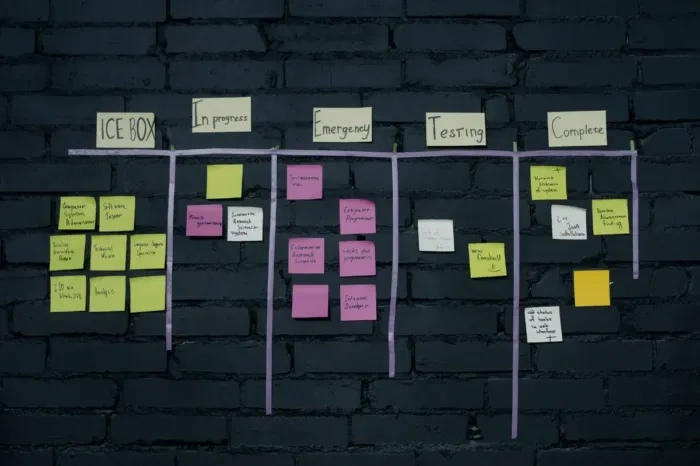
A system is a way of working that helps a business keep running even when you’re busy with your main job or dealing with many orders.
You don’t need to immediately buy expensive software to build a simple system.
First, create a list of steps from when a customer asks until the service is completed, then note who does what and when.
For consulting services, for example, the sequence could be replying to a question within one working day, sending a needs form, receiving payment, scheduling a session, then sending a follow‑up note.
Save answer templates for common questions, use a calendar for scheduling, and record order status in one spreadsheet.
These simple rules reduce the chance that potential customers are neglected or orders are delayed.
In *Business Model Generation*, Alexander Osterwalder and Yves Pigneur invite readers to look at the relationship between customers, offered value, channels, revenue, and business activities.
That framework is useful for seeing which parts are not yet connected, not just evaluating the product separately.
For example, you have a monthly subscription product, but you haven’t decided how to handle cancellations or customer questions.
The more buyers come, the more the impact of unclear processes is felt.
Kadika used to rely on memory to record customer requests, then realized that memory is not an order management application, hahaha.
A simple system is better than relying on memory, and you can tidy it up little by little after identifying recurring problem patterns.
Bisnis berkembang ketika semua bagian saling mendukung
Let’s look at the journey of one potential customer from the beginning.
He or she sees relevant explanations, understands the product benefits, finds a way to purchase, sees evidence that you can be trusted, then receives service as promised.
If one step feels confusing, that journey can stop even if your product is of good quality.
You don’t need to perfect everything in one week.
Choose one obstacle that appears most often, such as people not understanding the price, many asking questions but not ordering, or returning customers not coming back.
Fix that part, then observe small changes over a few weeks.
If Kadika could give one piece of advice, don’t just ask whether your product is good.
Also ask whether the right people can find it, understand its value, trust your offer, and go through the purchase process without confusion.
Answers to those questions can show which part of the business you need to build next, so the energy you expend doesn’t stop at the product alone.
Baca secara gratis. Jika bermanfaat, silakan traktir kopi.
Thank you very much
Even the smallest support helps the next article appear faster.

Feel free to leave a comment after sending support, so I can say thank you. ^^
Baca juga berita lain di News Page. Terima kasih sudah mengunjungi thecuy. 🙂

Saya adalah jurnalis di thecuy.com yang fokus menghadirkan berita terkini, analisis mendalam, dan informasi terpercaya seputar perkembangan dunia finansial, bisnis, teknologi, dan isu-isu terkini yang relevan bagi pembaca Indonesia.
Sebagai jurnalis, saya berkomitmen untuk:
Menyajikan berita yang akurasi dan faktanya terverifikasi.
Menulis dengan bahasa yang mudah dipahami, namun tetap menjaga integritas jurnalistik.
Menghadirkan laporan mendalam yang memberi perspektif baru bagi pembaca.
Di thecuy.com, saya tidak hanya melaporkan berita, tetapi juga berupaya menganalisis tren agar pembaca dapat memahami konteks di balik setiap peristiwa.
📌 Bidang Liputan Utama:
Berita Terbaru & ekonomi, keuangan.
Perkembangan teknologi dan inovasi digital.
Tren bisnis dan investasi.
Misi saya adalah membantu pembaca mendapatkan informasi yang cepat, akurat, dan dapat dipercaya, sehingga mereka bisa membuat keputusan yang lebih cerdas dalam kehidupan sehari-hari maupun dunia usaha.
📞 Kontak
Untuk kerja sama media atau wawancara, silakan hubungi melalui halaman Kontak thecuy.com atau email langsung ke [email protected].