“The aim of marketing is to know and understand the customer so well the product or service fits him and sells itself.”
Kenapa Membangun Bisnis Gak Cukup Cuma Punya Produk?👤 Jurnalis Berita • 14/10/2026
Peter Drucker, Management: Tasks, Responsibilities, Practices
I once thought that when a product was finished, the rest was just waiting for customers to show up.

If you’re building a business while also working a job, it can feel the same: spending evenings polishing the product, weekends fixing features, yet sales still haven’t taken off.
That situation leaves you with a lot of questions, especially when the product feels good and you’ve invested a lot of effort into creating it.
The problem is, a product is just one piece of a business; people also need to know it exists, trust the seller, and understand how to purchase it.
A business starts moving when those pieces connect, not when the goods or services are finished.
Membangun usaha memerlukan lebih dari sekadar produk
A product is something you offer, while a business is the entire experience a person goes through from first hearing your name until after they make a payment.
For example, you sell a job interview preparation class for Rp350,000.
The material may be well organized and the instructor experienced, but potential participants still need to know what problem is being addressed, the class schedule, how to sign up, and whether the content fits their situation.
If all that information is scattered or unclear, potential buyers have to work too hard to understand your offer.
“If the product is good, wouldn’t people recommend it on their own?”
It might, but recommendations usually come after people have tried the product and had a satisfactory experience.
In the early stages, you still need to create a path for potential customers to find, understand, and try your product.
A good product is just the start, not a replacement for marketing, sales, trust, and consistent operations.
I used to easily focus on visible things like features, packaging, or the look of the product page.
I once spent so much time tidying up the page that I forgot to explain why someone needs to buy, like going to a store and spending hours picking curtains, hehe.
Products must address clear problems

A product is easier to understand when potential buyers can connect it to a problem they are currently facing.
Instead of just writing “career class with 12 videos”, explain that the class helps participants craft their work experience story for interviews in three steps.
This distinction matters because a list of features explains what you are making, while benefits explain the change a buyer might experience.
In Harvard Business Review, Clayton Christensen and colleagues discuss the approach ‘Know Your Customers’ Jobs to Be Done’, which is about understanding the progress customers want to make in a given situation.
You can use that approach without complex research.
Ask five potential customers what they are trying to accomplish, what they have already tried, and which part is most difficult for them.
Write down their words exactly, then use those answers to clarify your product’s content and how you explain it.
“If you have to ask people first, won’t that delay the product launch?”
You don’t have to wait for perfect research, because a few brief conversations can help you avoid months of creating something that may not be needed.
You can start with a 15‑minute conversation, a quick message to a former colleague, or a form with three easy questions.
Marketing helps people understand and find products

Marketing is not just about creating promotional posts or paying for ads.
Marketing helps the right people understand what problem you solve, who is a good fit to buy, and why your offer is worth considering.
For example, a CV consultant could create content about mistakes in describing work results, share examples of improvements, and then explain a CV revision service for workers with three to seven years of experience.
That content has a clear connection to the product, so readers don’t have to guess what the next step is.
You also don’t have to be present on all channels at once.
Choose one place where your potential customers actually are, and consistently explain one problem from different angles for a month.
For example, post twice a week on LinkedIn, answer potential buyers’ questions in the comments, and direct interested people to the service description page.
“If you keep promoting, will people feel annoyed?”
Feelings of annoyance often arise when communication is irrelevant or only asks people to buy without providing context.
Give examples, explanations, or helpful answers first, then clearly present your offer without being pushy.
I suggest you check whether each message answers a real question, not just fills a content schedule.
If you are unsure how to determine the value of the skills you offer, an article on how to turn skills into value can be a reflection before drafting marketing messages.
Sales help potential buyers make decisions
Sales is the process of helping people understand their options and decide whether your product really fits their needs.
This process can happen through consultation conversations, a booking page, an online store, or direct messages that regularly answer questions.
Take, for example, a presentation design service starting at Rp1,500,000.
Potential clients need to know the number of slides included, how long it will take, what revisions are available, what materials to prepare, and when to make a payment.
If those details are unclear, potential clients may stop not because they don’t need design, but because they aren’t sure what they will receive.
Make sure the purchase path is easy to follow.
Show a booking button, a short form, schedule options, or a way to contact you without making people search for too long.
“I’m not comfortable offering a product directly yet; I’m afraid it might seem pushy.”
You can start with questions to understand their needs, then explain relevant options and let people make their own decision.
Record recurring questions, because the same answers can be turned into information on a sales page or product description material.
That way, the sales process feels helpful and you don’t have to repeat the same answers from scratch every day.
Trust makes people brave enough to take risks

Every purchase carries a small risk for customers, such as fear of wasted money, results not matching expectations, or difficulty reaching the seller after payment.
Therefore, trust needs to be built through verifiable evidence, not grand claims without explanation.
You can show examples of work, customer reviews with context, a refund policy, the workflow process, and a business identity that is easy to find.
If you don’t have many customers yet, show examples of practice projects or product demonstrations honestly, without calling them real client results.
In Influence, Robert Cialdini discusses the influence of social proof on decision-making, including people’s tendency to pay attention to others’ experiences when they are uncertain.
However, social proof is most useful when it is specific.
A review saying “very good” is less helpful than a story about a client who successfully built a portfolio in one week after receiving your guidance.
“My business is still new, so I don’t have testimonials yet.”
That’s fine, because you can build trust through price transparency, work examples, quick responses, and realistic promises.
Don’t promise results you can’t control, such as guaranteeing that every participant will get a job immediately after taking the class.
Trust grows from evidence and consistency, including when you openly explain the product’s limitations.
Systems make customer experiences consistent
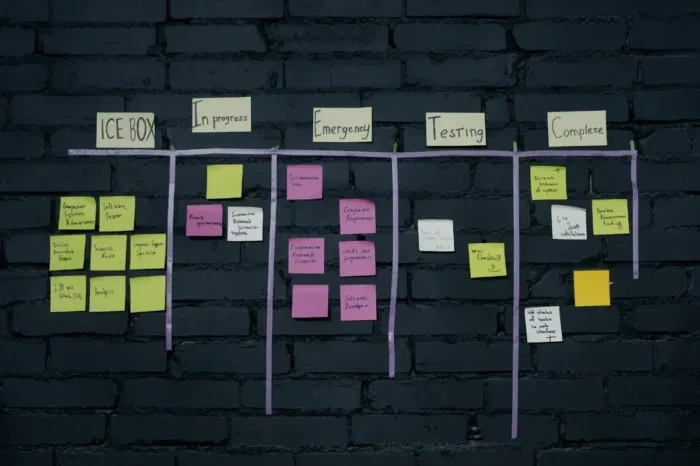
A system is a way of working that helps a business keep running even when you’re busy with your main job or dealing with many orders.
You don’t need to immediately buy expensive software to build a simple system.
First, make a list of steps from when a customer asks to when the service is completed, then note who does what and when.
For a consulting service, for example, the sequence could be replying to a question within one business day, sending a needs form, receiving payment, scheduling a session, then sending a follow‑up note.
Store templates for common questions, use a calendar for scheduling, and record order status in a single spreadsheet.
These simple rules reduce the chance that potential customers are ignored or orders are delayed.
In Business Model Generation, Alexander Osterwalder and Yves Pigneur invite readers to examine the relationship between customers, the value offered, channels, revenue, and business activities.
That framework is useful for seeing which parts are not yet connected, not just evaluating the product in isolation.
For example, you have a monthly subscription product, but haven’t determined how to handle cancellations or customer questions.
As more buyers come in, the impact of unclear processes becomes more apparent.
I once relied on my memory to record customer requests, then realized memory isn’t an order management app, hehe.
Simple systems are better than relying on memory, and you can tidy them up gradually after finding recurring problem patterns.
Businesses thrive when all parts support each other
Let’s look at one potential customer’s journey from the start.
They see a relevant explanation, understand the product’s benefits, find a way to buy, see evidence that you can be trusted, then receive service as promised.
If one step feels confusing, that journey can stop even if your product is of good quality.
You don’t need to perfect everything in one week.
Choose one obstacle that appears most often, such as people not understanding the price, many asking questions but not ordering, or old customers not returning.
Fix that part, then observe small changes over a few weeks.
If I may give one piece of advice, don’t just ask whether your product is good.
Also ask whether the right people can find it, understand its value, trust your offer, and go through the purchase process without confusion.
Answers to those questions can show which part of your business you need to build next, so the energy you put in doesn’t stop at the product alone.
Free to read. If it helped, you can buy me a coffee.
Thanks a lot
Even a small support helps the next article come out faster.

You can leave a comment after sending support, so I can say thank you. ^^
Also read other news on the News Page
Thanks for visiting thecuy. 🙂

Saya adalah jurnalis di thecuy.com yang fokus menghadirkan berita terkini, analisis mendalam, dan informasi terpercaya seputar perkembangan dunia finansial, bisnis, teknologi, dan isu-isu terkini yang relevan bagi pembaca Indonesia.
Sebagai jurnalis, saya berkomitmen untuk:
Menyajikan berita yang akurasi dan faktanya terverifikasi.
Menulis dengan bahasa yang mudah dipahami, namun tetap menjaga integritas jurnalistik.
Menghadirkan laporan mendalam yang memberi perspektif baru bagi pembaca.
Di thecuy.com, saya tidak hanya melaporkan berita, tetapi juga berupaya menganalisis tren agar pembaca dapat memahami konteks di balik setiap peristiwa.
📌 Bidang Liputan Utama:
Berita Terbaru & ekonomi, keuangan.
Perkembangan teknologi dan inovasi digital.
Tren bisnis dan investasi.
Misi saya adalah membantu pembaca mendapatkan informasi yang cepat, akurat, dan dapat dipercaya, sehingga mereka bisa membuat keputusan yang lebih cerdas dalam kehidupan sehari-hari maupun dunia usaha.
📞 Kontak
Untuk kerja sama media atau wawancara, silakan hubungi melalui halaman Kontak thecuy.com atau email langsung ke [email protected].