
Junko Takeuchi is a voice actress celebrated for her distinctive ability to portray characters that naturally inspire admiration. While she is best known for voicing Naruto across all his ages and appearances in the Naruto series—including its sequel Boruto: Naruto Next Generations—she has also provided the voices for Gon in the 1999 Hunter x Hunter anime, young Sabo in One Piece, Lambo in Reborn!, Mamoru Endou in Inazuma Eleven, and many other roles. Through these varied performances, she has built a significant and successful voice acting career.

At this year’s Anime NYC, Takeuchi‑san made a guest appearance. During the event, we had the chance to discuss her career, the ways recent shifts in the voice acting industry have impacted it, her methods for handling diverse character types, and her thoughts on conducting interviews with anime talent.

Portions of this interview have been modestly revised to enhance readability. The conversation was carried out with the assistance of an interpreter.
Q: You’ve had the opportunity to voice characters across longer‑running continuous series as well as seasonal ones that are becoming increasingly common. How has the shift toward a more seasonal format affected how many series an actor can work on at once and the way you interact with them?
Takeuchi-san: First, let me be clear that I’m speaking about my personal perspective, not the industry as a whole. In long‑term anime series, the depth you can develop and the intimacy you build with the story differ from that of short‑term seasonal series. Consequently, the relationships I form with fellow voice actors naturally evolve based on how much time we spend together. Seasonal series offer less time to deepen those connections, which can feel a bit disappointing, but the passion and effort I invest in each IP remain constant—only the amount of time involved changes. This affects how I relate to other cast members as well. In Japan, recordings for a given episode usually bring everyone together in one room, allowing us to record simultaneously, whereas in the U.S. actors often record individually. This means I tend to become acquainted with my co‑actors much faster in Japan when we share a space. The longer a series runs, the more intimate the bonds become, while shorter seasonal shows foster quick friendships that dissolve just as fast.

Q: Numerous anime have launched reboots or remakes since their original runs, including the 2020 Digimon Adventure in which you voiced Gomamon. How do you approach voicing characters in such reboots and revisiting an IP? Additionally, what’s your perspective on the balance between producing new anime and creating reboots?
Takeuchi-san: The key distinction with reboots lies in the self‑comparison: you’re measuring your current performance against how you portrayed the character before. With an entirely new series, the challenge is to portray the role as you are now, rather than in relation to a past version. That self‑referential comparison is the most significant difference.
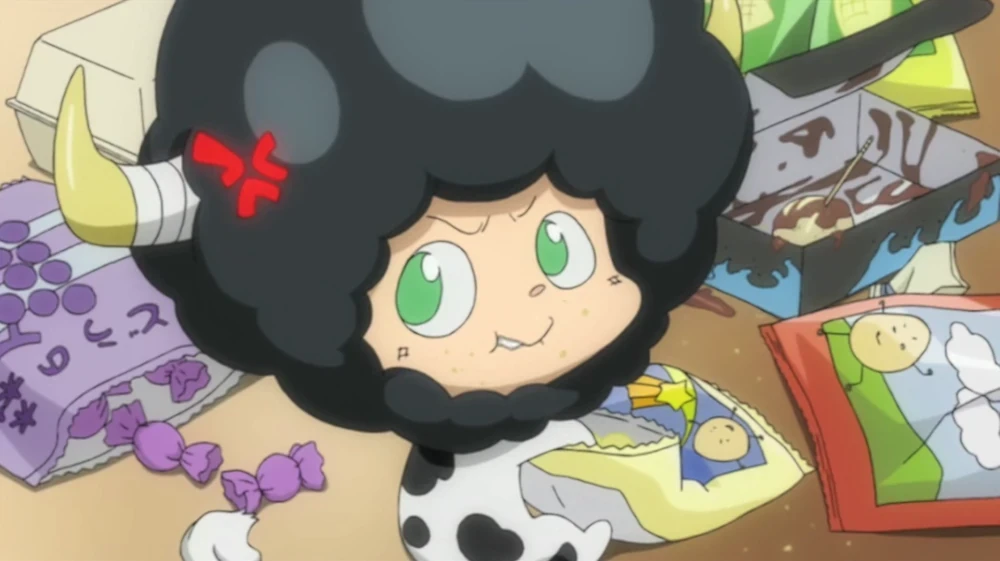
Q: You have voiced a wide range of archetypes, from quintessential shonen protagonists such as Naruto to antagonists like Little Witch Academia’s Croix Meridies. Are there any character types you still wish to portray, and do you think the core concept of the shonen hero has changed or become more formulaic over time?
Takeuchi-san: I used to be fascinated by quiet, cool, mysterious characters like Sasuke, who say little and exude an aloof aura. However, as my career progressed I gradually moved away from that type and embraced roles that are expressive, emotional, and outwardly dramatic. The hero archetype itself evolves with each era, age, and year, but the common thread among all heroes I’ve portrayed is their unwavering sense of hope for the future. That shared optimism remains consistent even as the specifics of the hero figure adapt to contemporary trends.
Q: You have provided the voice for Naruto across many stages of his life, from his childhood to becoming a father. How did you handle the transitions between these different phases, such as moving from the original series to Shippuden and then to Boruto, both in terms of vocal technique and your overall approach to the character?
Takeuchi-san: From a technical perspective, I had to adapt Naruto’s voice as he grew from a child into an adult, mirroring how a boy’s voice deepens during puberty. Since I’m a woman, I focused on making the voice sound deeper, richer, and more mature while still keeping it unmistakably Naruto. The goal was to capture that added depth and maturity without losing the character’s essence. Emotionally, the shift also involved a change in demeanor: younger Naruto was more impulsive and less composed, whereas his adult self became calmer and more measured. This affected not only the rhythm and delivery of his lines but also the underlying calmness that comes with age. Additionally, Naruto’s motivations evolved. As a child, he was primarily concerned with protecting himself and defining his own identity. As he matured, his focus broadened to safeguarding friends, family, and loved ones. The emotional landscape of the character thus shifted in line with his changing responsibilities and the situations he faced in each series.
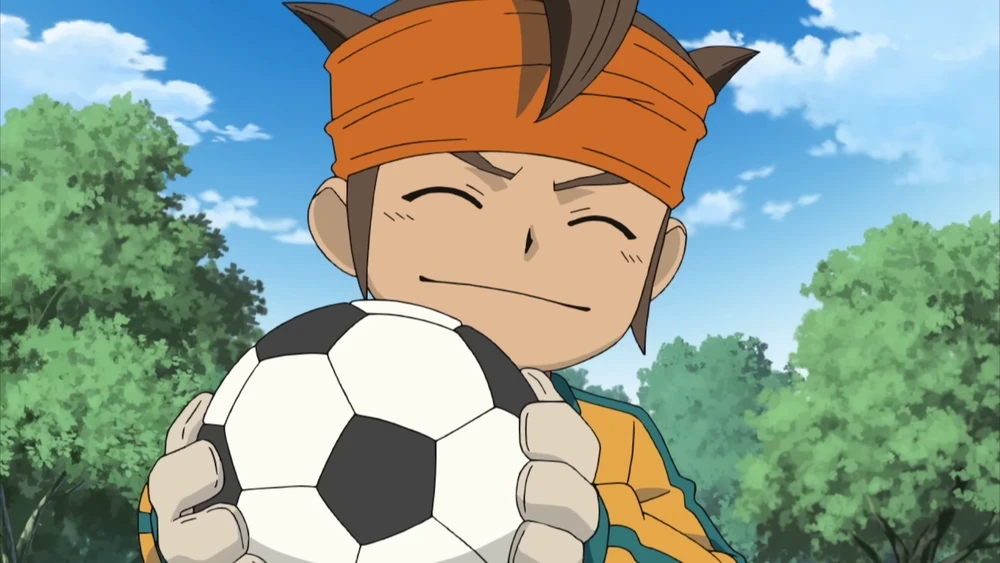
Q: You have voiced several well‑known teenage male characters, such as Naruto, Endou, and Gon. How does it feel to be the voice that may have influenced many young boys, and has the difference between playing male and female roles become less significant over time?
Takeuchi-san: Performing for youthful male roles has always been deeply rewarding. During events, fans often approach me and share stories like “I grew up with Naruto,” or “Naruto changed my life,” which reminds me that my voice has become part of real people’s experiences. That connection is something I cherish in my work. Over the years, I’ve found that the distinction between playing male and female characters has faded. I strive to treat every role as a human, natural performance, focusing on the essence of the character rather than the gender.
Q: Over recent decades, the number of female anime fans and shows featuring female leads has grown, while the practice of casting women in shonen boy roles appears to have lessened. How do you view the changes in the types of roles offered to women since the late 1990s?
Takeuchi-san: As an actress, my aim has always been to develop the flexibility to portray a wide array of vocal styles and character types. Whether a particular role comes my way or not is one matter, but building that versatility is something I continuously work toward in my career.
Q: You earlier said you aim to be able to fit any voice you might be asked to provide. In your view, how has the range of roles offered to women, for instance, evolved since the 1990s?
Takeuchi-san: As a long‑time veteran in the industry, I haven’t noticed a dramatic shift in the types of characters offered to me. A younger actress might perceive the changes differently, but after many years on the job, the current landscape doesn’t feel particularly transformative to me.
Q: The methods voice actors use to connect with fans have been reshaped by changes in conventions and the decline of physical media. Fifteen years ago, items like the Naruto Radio Shippu Jinrai CD were common purchases. Do you think the move to streaming has impacted the availability of bonus content and altered how you engage with fans?
Takeuchi-san: The way fans engage with voice actors has definitely evolved. In the past, the focus was solely on the voice—people wanted to hear how a character was voiced. Nowadays, there’s a greater emphasis on in‑person interactions at events and conventions, with more face‑to‑face contact. It’s no longer just about my voice; it’s also about my appearance, personality, and daily behavior. Personally, I find this increased exposure less enjoyable because I’m not naturally comfortable being the center of attention. My primary tool is my voice, and the core way fans experience it hasn’t changed much. Regarding bonus content, if there’s demand from the audience, I’m willing to provide it, so supply follows need.
Q: Furthermore, the way fans consume anime content has shifted dramatically. Where readers once perused full interviews in magazines like Jump, many fans now interact primarily with brief screenshot excerpts posted online. Has the style of content distribution on news sites and social media affected how you choose to engage with fans and the media?
Takeuchi-san: In today’s environment, fans are more likely to misinterpret characters because they often encounter only short clips or snippets rather than complete narratives. Consequently, it’s become increasingly vital to communicate clearly and maintain trust when speaking to the media. I now devote far more thought to how I answer questions, aiming to minimize misunderstandings that can arise from the fragmented way information is presented. The brevity of social‑media posts means audiences interpret content differently from the past, so each response is carefully crafted to ensure the intended meaning comes across.
Q: You have recorded music for characters such as Gon, Lambo, Naruto, and others. Many mini‑albums and character songs of this type ceased being produced after the 2000s. In your view, why did this trend decline, and would you like more chances to sing as these characters?
Takeuchi-san: More opportunities to sing would certainly be welcome. There are numerous voice actors with strong singing abilities, and the emphasis today extends beyond raw talent to how well the performance fits the character. For instance, Naruto isn’t expected to be a powerful vocalist; what matters is how his singing reflects his personality and how fans perceive that authenticity. I would value projects that let me express a character’s unique musical style rather than showcasing vocal prowess alone, and I hope fans appreciate character songs that stay true to the persona.
We’d like to thank Junko Takeuchi for taking the time to speak with us during Anime NYC and for such an enlightening conversation. Takeuchi-san will appear at a special Naruto panel at New York Comic Con 2026.
Also read other anime at Latest Anime & manga info.
Thank you for visiting thecuy. 🙂

Saya adalah penulis di thecuy.com, sebuah website yang berfokus membagikan tips keuangan, investasi, dan cara mengelola uang dengan bijak, khususnya untuk pemula yang ingin belajar dari nol.
Melalui thecuy.com, saya ingin membantu pembaca memahami dunia finansial tanpa ribet, dengan bahasa yang sederhana.