
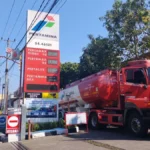
Thecuy.com – The price of fuel in Indonesia keeps climbing, whereas in Saudi Arabia, another oil‑producing nation, fuel remains significantly cheaper. This contrast draws attention given that both countries possess substantial oil reserves. The increase in Indonesian fuel prices is driven by global geopolitical conditions, especially the conflict in the Middle East, which influences worldwide oil prices.
In Indonesia, PT Pertamina Patra Niaga has indicated that non‑subsidy fuel prices such as Pertamax could rise by Rp18,000‑Rp20,000 per litre. This is because the benchmark Brent crude remains above US$100 a barrel due to geopolitical tensions, including the Middle East war and the more severe Hormuz Strait dispute compared to the Ukraine‑Russia conflict. Pertamina Patra Niaga’s Retail Marketing Director, Eko Ricky Susanto, confirmed that there is no sign of a near‑term drop in global oil prices.

Sementara itu, Saudi Arabia maintains very low fuel prices despite being one of the world’s largest oil producers. Vehicles there are mostly luxury cars, and motorcycles are almost absent from the roads. Service at public filling stations is performed by foreign workers rather than Saudi nationals, as locals prefer not to work in this sector. This illustrates the differing social and economic structures between the two oil‑rich nations.
Moreover, in the global geopolitical arena, the United States has identified Venezuela as a potential successor to the Middle East as the world’s oil production hub. The US aims to boost Venezuelan oil output to 1.5 million barrels per day with the backing of American companies, following an agreement that grants the US stakes in Venezuelan refineries and drilling operations. This move is part of an effort to diversify oil supplies and lessen reliance on the conflict‑prone Middle East region.
Protracted Middle Eastern conflicts, including wars involving the United States and Iran as well as battles in Yemen, have driven up global oil prices and sparked protest waves across several nations. Economies that are weaker suffer more severe effects, with citizens struggling to meet daily needs due to higher fuel costs. Demonstrations have erupted in Syria, Guatemala, and Portugal in response to substantial fuel price hikes.
In this context, Russia has expressed backing for a proposed US‑brokered pause in energy attacks between Russia and Ukraine. Moscow maintains that the primary obstacle in the global oil market is limited access to Russian oil exports due to sanctions, not production constraints. Russia calls for the removal of sanctions to improve the availability of petroleum products on the international market and lower global prices.
Beyond geopolitical dynamics, Indonesia’s oil and gas industry continues to focus on human‑resource development. Twenty‑four students from different universities have gained hands‑on experience at drilling rigs through a training program at the Indonesia Drilling Training Center (IDTC) in Indramayu. The initiative aims to provide practical exposure to oil exploration and drilling processes for young people who will become professionals in the hydrocarbons sector.
The disparity in fuel prices between Indonesia and Saudi Arabia, both oil‑producing nations, raises numerous questions about each country’s energy policies and resource distribution. While Saudi Arabia can sustain low fuel prices, Indonesia confronts challenges from rising costs driven by global factors and domestic policies. This situation calls for serious attention to guarantee affordable and stable energy access for the Indonesian populace.
Baca juga Berita lainnya di News Page terimakasih sudah mengunjungi thecuy. 🙂

Saya adalah jurnalis di thecuy.com yang fokus menghadirkan berita terkini, analisis mendalam, dan informasi terpercaya seputar perkembangan dunia finansial, bisnis, teknologi, dan isu-isu terkini yang relevan bagi pembaca Indonesia.
Sebagai jurnalis, saya berkomitmen untuk:
Menyajikan berita yang akurasi dan faktanya terverifikasi.
Menulis dengan bahasa yang mudah dipahami, namun tetap menjaga integritas jurnalistik.
Menghadirkan laporan mendalam yang memberi perspektif baru bagi pembaca.
Di thecuy.com, saya tidak hanya melaporkan berita, tetapi juga berupaya menganalisis tren agar pembaca dapat memahami konteks di balik setiap peristiwa.
📌 Bidang Liputan Utama:
Berita Terbaru & ekonomi, keuangan.
Perkembangan teknologi dan inovasi digital.
Tren bisnis dan investasi.
Misi saya adalah membantu pembaca mendapatkan informasi yang cepat, akurat, dan dapat dipercaya, sehingga mereka bisa membuat keputusan yang lebih cerdas dalam kehidupan sehari-hari maupun dunia usaha.
📞 Kontak
Untuk kerja sama media atau wawancara, silakan hubungi melalui halaman Kontak thecuy.com atau email langsung ke [email protected].