
Thecuy.com – The rupiah’s exchange rate against the US dollar has been fluctuating amid discussions about a cut in the quota for subsidized fuel that the government plans to implement in 2027. This policy has attracted attention because it could affect users of subsidized fuel, especially Pertalite, which is widely used for daily activities.
Recent rupiah trading indicated a weakening to between Rp17,700 and Rp17,750 per US dollar, after previously strengthening. Positive market sentiment stemmed from the government’s plan to slash the subsidized fuel quota by as much as 58.5 percent as a measure to control subsidies and ease the state budget burden.

Read also:
However, the subsidy cut also rests on an assumption that Indonesia’s crude oil price (ICP) will be USD 75 per barrel in 2027, which is lower than the current global oil price of around USD 83 per barrel. World oil price fluctuations also affect rupiah exchange stability and the transportation and mobility costs of people who rely on subsidized fuel.
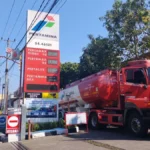
In East Java, the prices of subsidized fuels such as Pertalite and Biosolar remain unchanged since the last adjustment in August 2026. Meanwhile, some non‑subsidized fuels like Pertamax and Pertamax Turbo have seen price drops. The adjustments take into account global oil price trends and the rupiah exchange rate while preserving people’s purchasing power and the national fuel supply.
Read also:
Johan Rosihan, a member of Commission IV of the Indonesian House of Representatives, stressed the need for measured mitigation in confronting possible fuel price rises caused by geopolitical turbulence, especially the US‑Iran conflict, which could affect oil prices and logistics costs. He reminded the government not to make abrupt decisions to raise subsidized fuel prices and to bolster national food and energy resilience to lessen import dependence.
Rising oil prices also put pressure on the state budget, energy subsidies and food prices, which could climb as production and distribution costs increase. Hence, bolstering food reserves, stabilizing the exchange rate and supporting micro, small and medium enterprises (MSMEs) become strategic steps that must be taken.
Read also:
In addition, the development of a national electric motorcycle (Molinas) is one of the government’s efforts to cut reliance on fossil fuels and reinforce technological self‑sufficiency. The program is expected to compete with imported Chinese electric motorcycles by offering competitive pricing and more reliable after‑sales service, and by tailoring vehicle specifications to Indonesian consumers’ needs.
Overall, these policies illustrate the government’s effort to manage fuel subsidies sustainably and preserve macroeconomic stability, especially the rupiah exchange rate, amid global oil price challenges and geopolitical dynamics.
Baca juga Berita lainnya di News Page
terimakasih sudah mengunjungi thecuy. 🙂

Saya adalah jurnalis di thecuy.com yang fokus menghadirkan berita terkini, analisis mendalam, dan informasi terpercaya seputar perkembangan dunia finansial, bisnis, teknologi, dan isu-isu terkini yang relevan bagi pembaca Indonesia.
Sebagai jurnalis, saya berkomitmen untuk:
Menyajikan berita yang akurasi dan faktanya terverifikasi.
Menulis dengan bahasa yang mudah dipahami, namun tetap menjaga integritas jurnalistik.
Menghadirkan laporan mendalam yang memberi perspektif baru bagi pembaca.
Di thecuy.com, saya tidak hanya melaporkan berita, tetapi juga berupaya menganalisis tren agar pembaca dapat memahami konteks di balik setiap peristiwa.
📌 Bidang Liputan Utama:
Berita Terbaru & ekonomi, keuangan.
Perkembangan teknologi dan inovasi digital.
Tren bisnis dan investasi.
Misi saya adalah membantu pembaca mendapatkan informasi yang cepat, akurat, dan dapat dipercaya, sehingga mereka bisa membuat keputusan yang lebih cerdas dalam kehidupan sehari-hari maupun dunia usaha.
📞 Kontak
Untuk kerja sama media atau wawancara, silakan hubungi melalui halaman Kontak thecuy.com atau email langsung ke [email protected].