
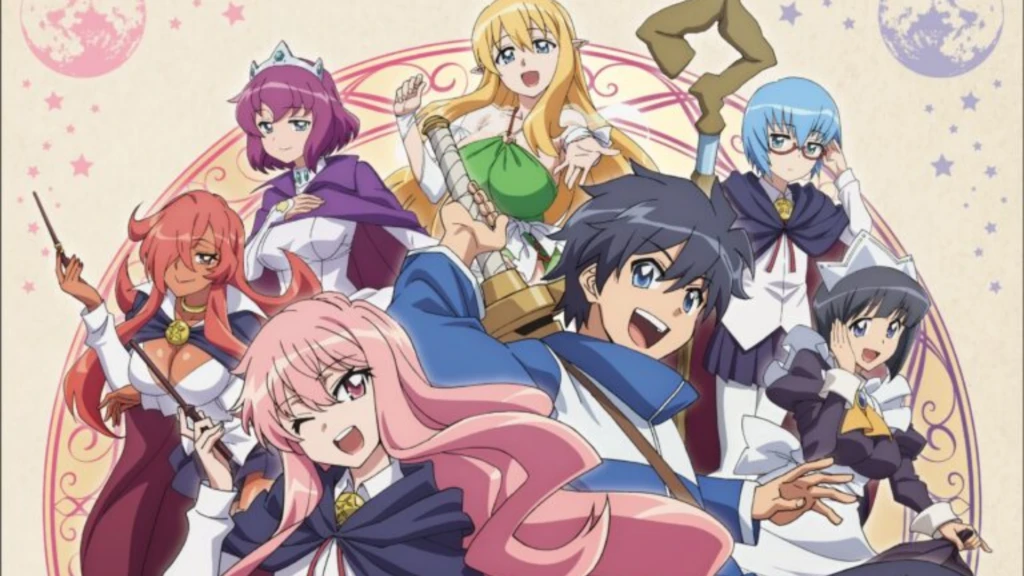
On July 3, 2006, the world was introduced to the anime adaptation of The Familiar of Zero (Zero no Tsukaima). This iconic series sprang from the late Yamaguchi Noboru‑sensei’s storytelling, Usatsuka Eiji‑sensei’s art, and the MF Bunko J imprint. The franchise released 22 core novels and five side stories such as Heavy Wind, the Female Knight Captain (2 Volumes) and Tabitha’s Adventures (3 Volumes). Later, Shimizu Yu‑sensei—known for The Demon Sword Master of Excalibur Academy and Bladedance of Elementalers—finished the final two volumes at MF Bunko’s request, honoring Yamaguchi‑sensei’s legacy.
During that period, fanfiction for The Familiar of Zero surged on the widely used amateur platform Shosetsuka ni Naro, where anyone can craft their own tales and sometimes catch the eye of publishers. Other hit series such as Re:Zero and Mushoku Tensei debuted on Naro because it offered a fertile ground for passionate writing and nurtured a large community centered on The Familiar of Zero’s original tales and its fanfiction. Both of those works also drew inspiration from The Familiar of Zero’s core concept—a lead character thrust into a different realm featuring romance, comedy, and magical powers. Indeed, the evidence of this legacy follows below.

Q: Could you tell us what got you two started reading isekai (other world reincarnation/transmigration) stories?
Maruyama (Overlord Author): I originally read a lot of fanfiction set in other worlds.
Summer 2026 Anime of the Season Rankings👤 anindya • 11/10/2026
Nagatsuki (Re:Zero Author): I did too. Back then, fanfiction that mixed characters from different titles into The Familiar of Zero was trending—a series from MF Bunko J. Although The Familiar of Zero is itself an isekai tale, stories that feature cross‑overs between worlds can also be seen as isekai works, don’t you think?”
ddnavi interview with Re:Zero and Overlord authors
Q: Also, could you tell me what motivated you to post your work on Shosetsuka ni Naro?
Rifujin na Magonote (Mushoku Tensei Creator): I began writing novels with the goal of becoming a professional light‑novel author, but I eventually grew dissatisfied with the prevailing industry trends and stopped. A few years later I stumbled upon Shosetsuka ni Naro, where many of the genres I loved—like isekai reincarnation and transmigration—were flourishing, something rarely seen in light novels back then.
Reading the site sparked my own desire to write, so I started again, though I was hesitant to share anything. I noticed that even very raw works were being appreciated and found readers, and I thought, “If that’s the case, maybe my stories won’t be mocked and I can enjoy the process alongside the audience.”
That’s why I began posting my work on Shosetsuka ni Naro.
Phantom Porta interview with Mushoku Tensei creator
The Familiar of Zero
From this series I learned that even in the very first chapter you should push the plot forward by at least one step. I still recall telling my classmates back in college, “The Familiar of Zero actually advances the story!”—but they didn’t quite grasp what I meant.
Rifujin na Magonote’s Twitter post highlighting The Familiar of Zero’s impact
“Back in 2004, Yamaguchi Noboru‑sensei’s novel The Familiar of Zero debuted under MF Bunko J and quickly became a sensation, captivating fans and spawning 20 main volumes plus five spin‑off novels. The work also fueled four full anime seasons. MF Bunko J and Media Factory are deeply grateful to Yamaguchi Noboru‑sensei and his The Familiar of Zero series—he truly was our benefactor.”
April 11, 2013
Media Factory Inc.
Editor in Chief, MF Bunko J
Yasuji Misaka“Crunchyroll citation on the lasting impact of author Yamaguchi Noboru”
All the cited material makes clear how deeply the community reveres the late Yamaguchi‑sensei. Although MF Bunko J was initially on shaky ground, it managed to turn things around with the success of The Familiar of Zero in 2004, later adding more acclaimed works as well as titles that first appeared on Naro.
Media Factory Period Before the October 2011 Acquisition
- The Familiar of Zero (2004)
- Kanokon: The Girl Who Cried Fox (2005)
- Baka and Test — Summon the Beasts (2007)
- Aria the Scarlet Ammo (2008)
- Kämpfer (2009)
- Mayo Chiki! (2010)
- Haganai: I Don’t Have Many Friends (2010)
Kadoka Era After Acquiring MF Bunko J (October 12, 2011)
- Magical Warfare (2011)
- No Game No Life (2012)
- Re:Zero−Starting Life in Another World (2014)
- Classroom of the Elite (2015)
- Remake Our Life! (2017)
- The Detective is Already Dead (2019)
- Spy Classroom (2020)
MF Books Period (New fantasy/isekai imprint launched in 2013 for works first posted on Naro)
- The Rising of the Shield Hero (2013)
- Mushoku Tensei: Jobless Reincarnation (2014)
- Chillin’ in Another World with Level 2 Super Cheat Powers (2016)
- Farming Life in Another World (2016)
- Dahlia in Bloom: Crafting a Fresh Start with Magical Tools (2018)
- The Frontier Alchemist: I Can’t Go Back to That Cruel Job Anyway (2021)
- The Reincarnated Young Lady Alisterea Wants to Be Independent (2024)
As both a creator and enthusiast of The Familiar of Zero, I’m drawn to every aspect of the story: its magical mechanics, political intrigue, humor, romance, and of course, the iconic tsundere Louise Françoise Le Blanc de La Vallière. While she’s often labeled as harsh and domineering, a mature perspective reveals the deeper reasons for her behavior. Through war, love, and the complexities of nobility, she evolves into a more compassionate and open‑hearted individual, regardless of how history ultimately regards her.
Even though each season contained roughly a dozen episodes and Yamaguchi‑sensei’s health was declining, the adaptation managed to cover the full twenty light novels and deliver a conclusive finish. Yamaguchi‑sensei had already outlined the rest of the story but hoped to see it completed before his death. The series remains celebrated for its standout voice performances, rich soundtrack featuring tracks by ICHIKO and Kugimiya Rie, and its lighthearted comedic style.
To mark the series’ 20th anniversary, I’ll explore the character arcs of Louise and Saito, and list my three favorite elements from both the novels and the anime.
Note: This review contains major spoilers and discusses both the anime adaptation and the original light novels.

Saya adalah penulis di thecuy.com, sebuah website yang berfokus membagikan tips keuangan, investasi, dan cara mengelola uang dengan bijak, khususnya untuk pemula yang ingin belajar dari nol.
Melalui thecuy.com, saya ingin membantu pembaca memahami dunia finansial tanpa ribet, dengan bahasa yang sederhana.