
You and I Are Polar Opposites ranks among the most delightful series released recently, spotlighting the charm of teenage romance with a fresh blend of contrasting personalities. It steps away from many romance or rom‑com shows that rely on drawn‑out slow burns or endless misunderstandings. Suzuki and Tani quickly connect, focusing instead on exploring the various dynamics of their relationship rather than lingering over a hesitant “will they/won’t they” tension—part of what makes the show so engaging and why Season 1 felt so invigorating.

During this year’s Anime Expo, we had the chance to interview the voice actors of You and I Are Polar Opposites: Sayumi Suzushiro, who voices Suzuki, and Shogo Sakata, who voices Tani. We talked with them about their thoughts on the series, how they approached their characters’ distinct personalities, and a bit about the recording experience.

Portions of this interview have been subtly refined for clarity. The conversation was conducted with the help of an interpreter.
Q: What was both of your original impressions of the series and its concept?
Suzushiro-san: The series felt like a nostalgic return to school days—an exhilarating sense of reliving youth. It let me experience those moments through Suzuki and the other characters. She appears lively and upbeat on the surface, yet she’s actually quite introspective and analytical, weighing situations, herself, and those around her. The story highlights how people often hold contrasting traits that aren’t immediately visible, and it dives into how they navigate scenarios based on the information they receive and their current state of mind.
Sakata-san: When I first read the source material, I noticed there weren’t any huge plot twists or dramatic conflicts. Instead, the series zeroes in on those routine conversations we all have during school or teenage years, shedding light on why they happen, what they signify, and the subtle inner struggles they reveal, as well as those minor feelings we often overlook.
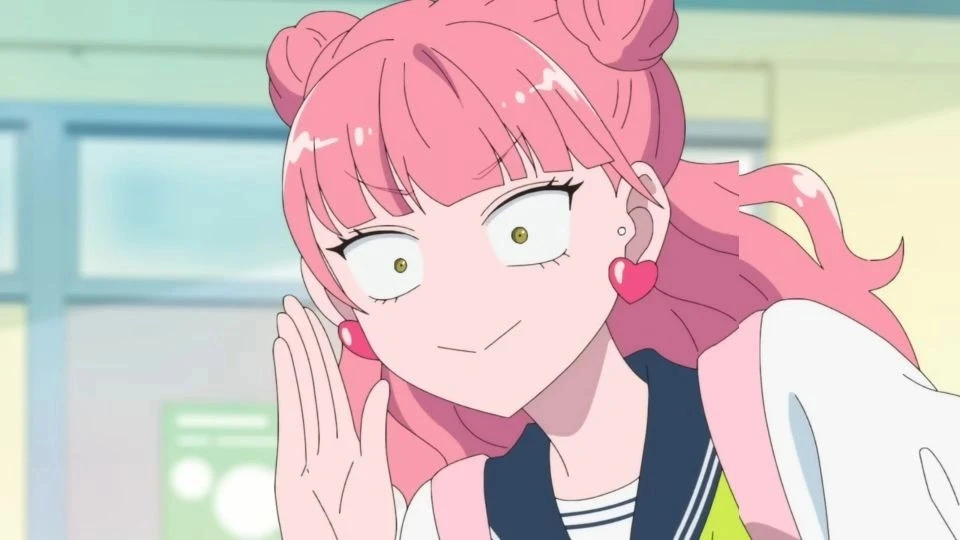
Q: Suzushiro-san, Suzuki is a complete ball of energy, even by anime standards. She also conveys a lot of emotion through that energy. How do you make sure the meaning behind her words isn’t masked by energy or excitement?
Suzushiro-san: Suzuki exudes boundless energy and enthusiasm—her default vibe is hyper‑active. Both the anime and the original story emphasize the importance of clear communication between characters, so I made sure each line’s meaning stayed front‑and‑center. While there are moments where I love to unleash all that vigor, I always keep the message primary, striking a balance between exuberance and clarity. While reviewing the script, I’d underline key phrases and note where I should lean into a livelier tone versus a more measured one. For monologues, I aimed for a calmer delivery, carefully marking those sections to reflect the situation’s tone.
Q: While both of your characters fit into categories like extrovert and introvert, they also bring out the other side in each other. Suzushiro-san, what are Suzuki’s less energetic moments like for you, and Sakata-san, what are Tani’s more energetic moments like for you?
Suzushiro-san: As the characters grew more at ease with each other, I found myself naturally loosening up. In scenes where Suzuki’s energy dialled down—moments of calm or quieter interaction—I tried to sound more relaxed and genuine, almost as if I were speaking in my own voice. That comfort helped bring a smoother, more natural quality to her dialogue.
Sakata-san: When Tani needs to be more animated, it’s usually because he’s dealing with intense feelings—whether he’s embarrassed, passionate about something, or trying to deliver a crucial point. Since he’s normally quite logical, any situation that clashes with his usual way of thinking or reveals hidden emotions makes him swing into a more energetic mode to convey his message effectively.
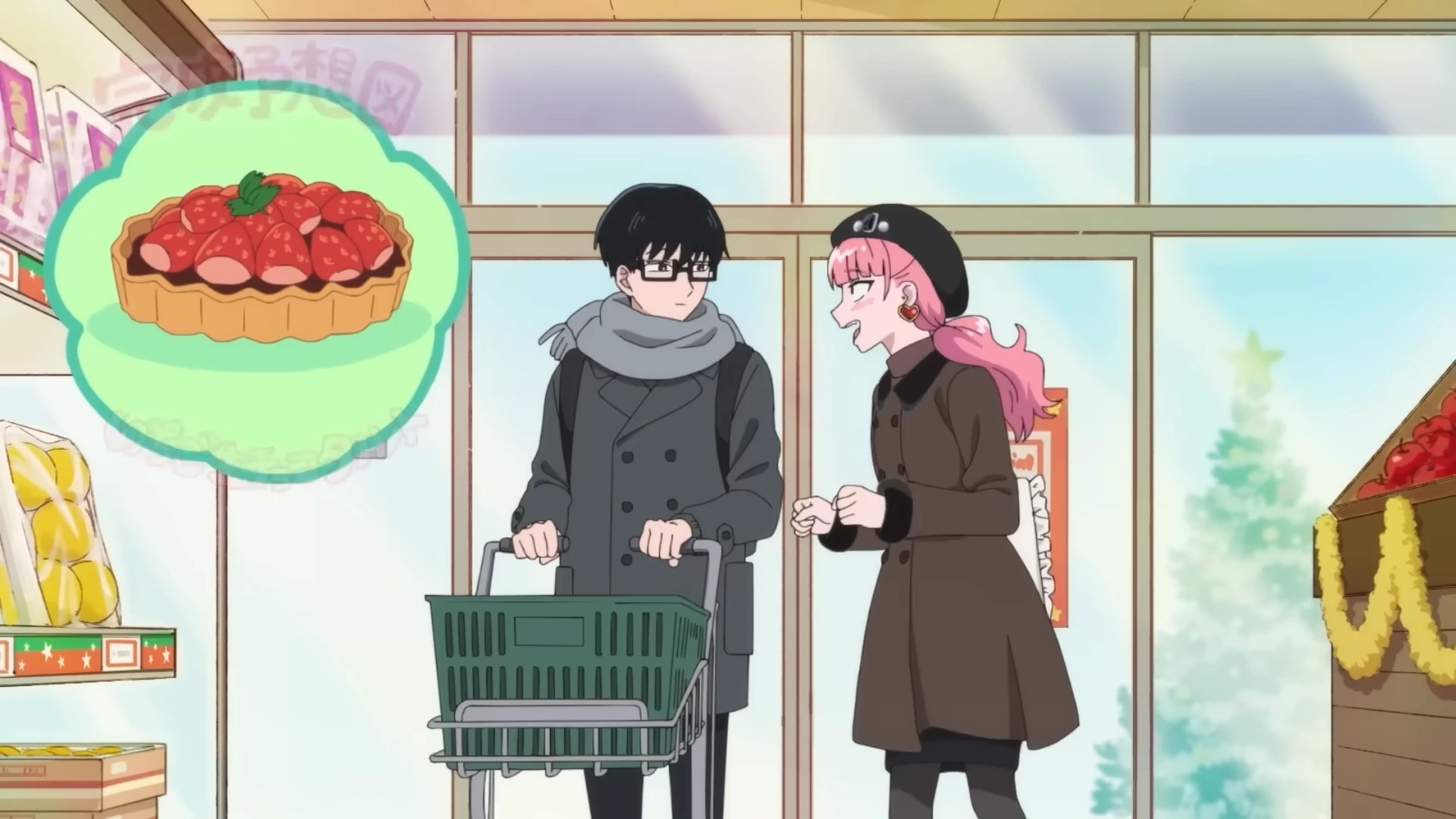
Q: Both of your characters have rather intense thinking/internal speaking moments. What was your approach to contrasting those with your spoken lines?
Suzushiro-san: Suzuki has a lot of dialogue, whether it’s conversation with others or her internal monologues. I made a point early on to differentiate the two styles. When she’s interacting with people, she’s more conscious and adjusts her tone accordingly, whereas her monologues feel more raw and close to her true voice, almost like a natural, unguarded version of herself.
Sakata-san: Conversely, Tani tends to hold back when speaking in front of others. The director advised me to let his monologues carry a bit more emotional intensity, creating a contrast with Suzuki’s approach—making his internal moments a little more openly expressive.
We extend our gratitude to Sayumi Suzushiro‑san and Shogo Sakata‑san for sharing their time and insights about You and I Are Polar Opposites, and we also thank Crunchyroll for arranging this and countless other interviews at Anime Expo. Season 2 of You and I Are Polar Opposites premiered on July 5, 2026, and you can stream the series on Crunchyroll.
Check out more Anime at Latest Anime & Manga info.

Saya adalah penulis di thecuy.com, sebuah website yang berfokus membagikan tips keuangan, investasi, dan cara mengelola uang dengan bijak, khususnya untuk pemula yang ingin belajar dari nol.
Melalui thecuy.com, saya ingin membantu pembaca memahami dunia finansial tanpa ribet, dengan bahasa yang sederhana.