
From the very first moment that Sparks of Tomorrow appeared on the projection screen in the Anime Expo panel room, I was immediately convinced that it would rank among this season’s most outstanding anime, possibly even the best. This project is an adaptation of Hiro Yuki’s novel 20 Seiki Denki Mokuroku, first announced back in 2018, with animation produced by Kyoto Animation. Those who are aware of how long this series has been in development have very high expectations. As for curious viewers wanting to see KyoAni’s capabilities, the lively chatter among the cheering crowd suggested many hoped it would match—or surpass—the studio’s previously acclaimed releases.
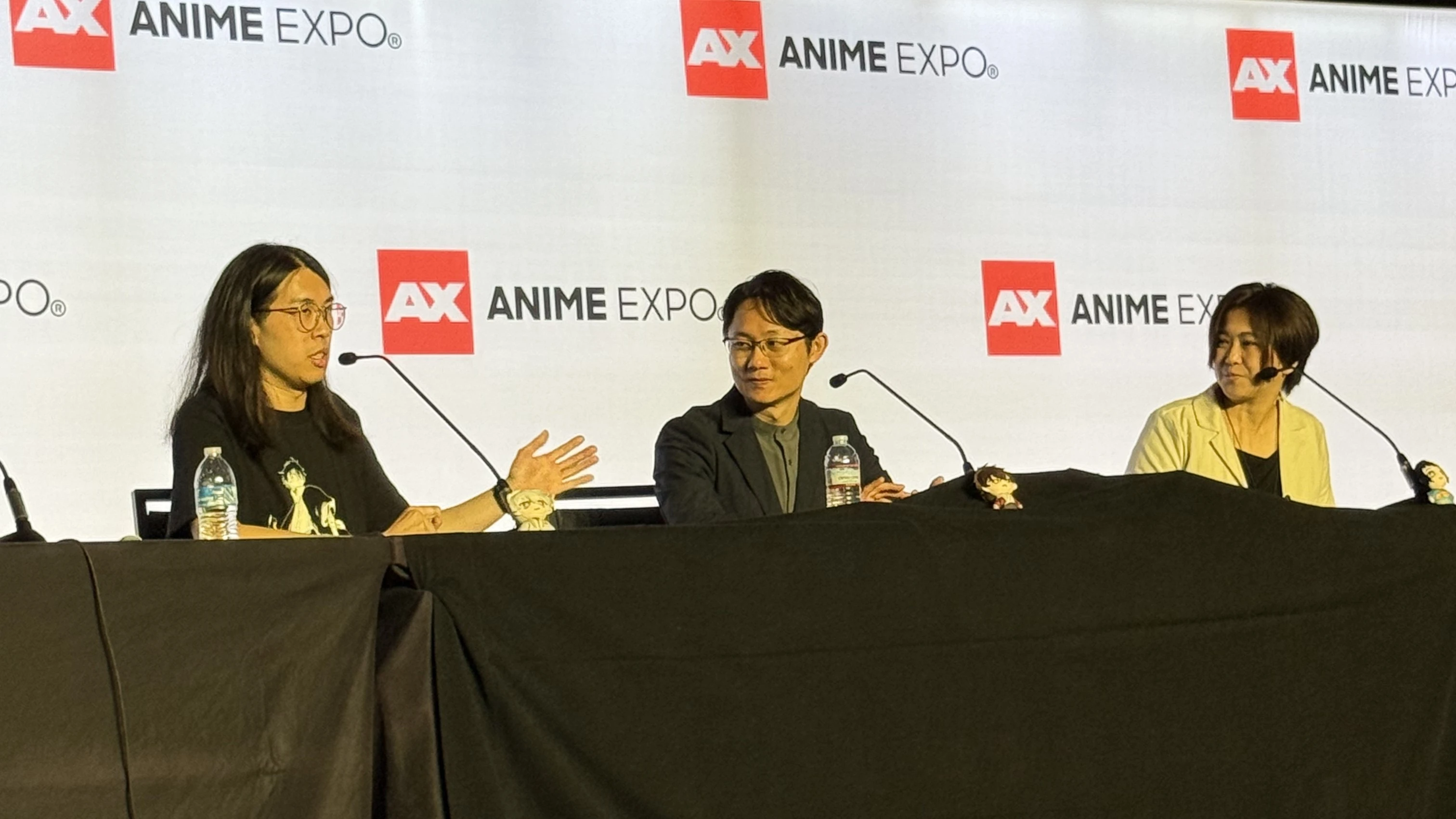
The panel featured a preview screening of the series’ initial two episodes. This was followed by a question‑and‑answer session with Director Minoru Ota and Producer Satori Senami.
First Two Episodes of *Sparks of Tomorrow
Commenting on the premiere, the opening two episodes were, as previously noted, extraordinary. Sparks of Tomorrow stands as a breathtaking achievement in both animation and visual artistry. The series is set in early‑20th‑century Kyoto within an alternate history where steam power has become highly advanced and widely used. Electricity, both for the characters and as portrayed visually, is entirely new. Simple incandescent bulbs scattered across the streets emit a gentle, warm illumination, with their soft light particularly highlighting scenes that were once dark. Subtle flashes of light accompany the glow of the bulbs at the outset, adding a dynamic touch to an already captivating play of illumination and power.
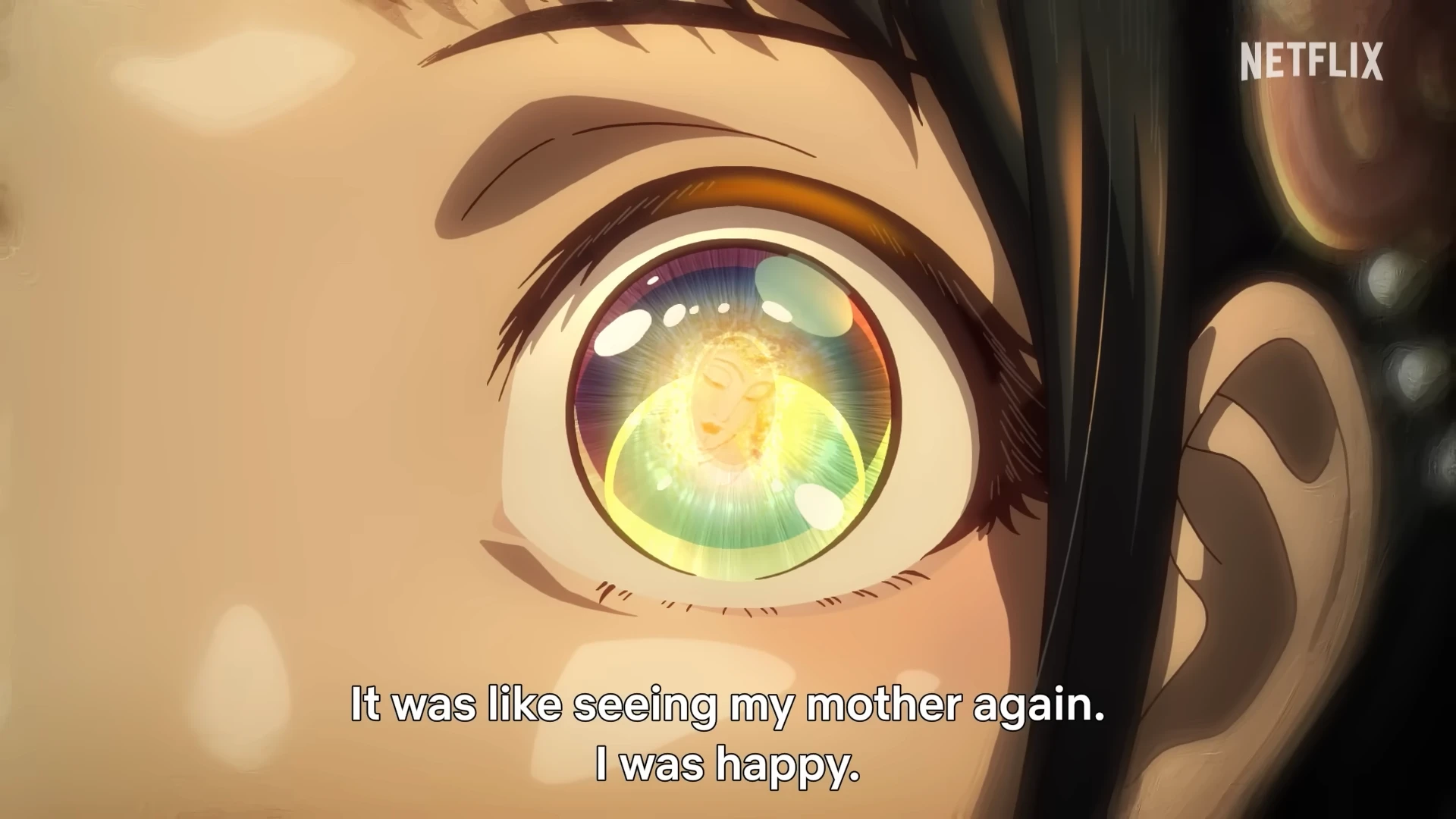
Even though the portrayal of electric illumination was spectacular, it wasn’t the most striking element for me. The most impressive facet of Sparks of Tomorrow is unquestionably its music. I think this is the first project I’ve encountered with music by Hitomi Koto, but if I could, this certainly wouldn’t be the last. The series’ soundtrack makes extensive use of full orchestral sections and genuinely feels like a cohesive score rather than a haphazard collection of songs. The music doesn’t always play in the background, but when it does, it draws on small ensembles of various instruments at different moments. For example, a scene where characters search a house might be underscored by sharp brass tones, while traveling from one location to another could be highlighted by woodwinds, with low fagot lines blending with long, gentle clarinet passages. There’s a clear intention to align the music with the authentic sounds of the early 20th century, and if someone told me Koto summoned Debussy from a time machine to create this, I might just believe it.

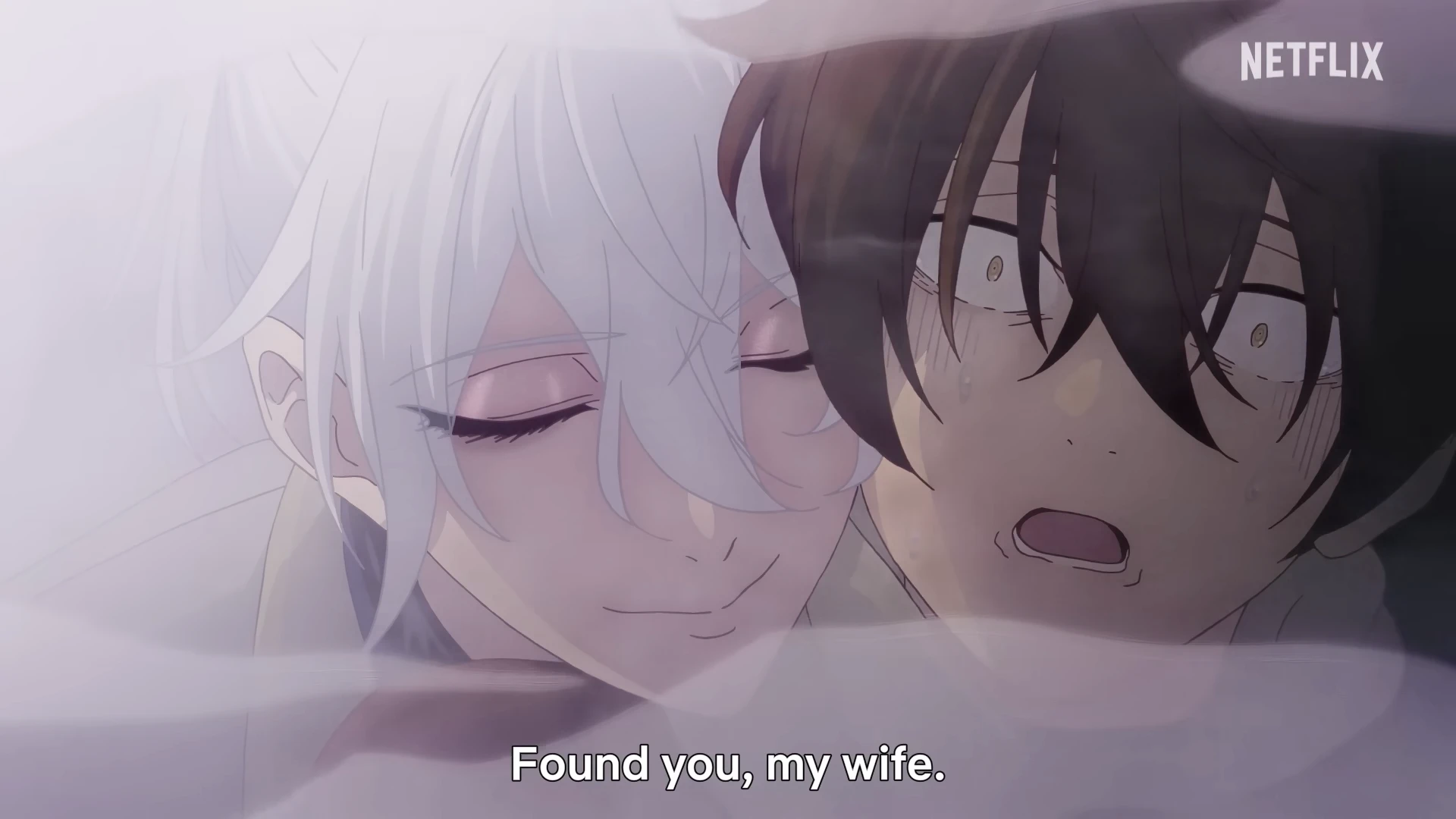
From a character and plot perspective, I also enjoyed the first two episodes greatly. Without revealing deeper spoilers, Episode 1 successfully introduces the back‑story of the protagonist and his brother before the series truly begins, establishing the allure of electricity (in this world) and the core pillars of innovation that guide many early developments in Sparks of Tomorrow. The episode also rolls out a variety of characters and their families or associates. My personal favourite is Yosuke Mizoe, an eccentric type who frequently drops English lines, has the cutest facial expressions, and serves as an antagonist for the first few episodes. Episode 2 features numerous chases as various characters race to seize a catalogue of inventions, while the mystery of what kinds of inventions might exist builds throughout the hour. These high‑speed pursuits give the anime ample opportunities to showcase how formidable KyoAni’s animation skills are. The wide array of tools and machines—such as cars and steam engines—used in Sparks of Tomorrow are animated with impressive polish. I was especially surprised by how seamless the animation feels, as many other projects often have clunky or distracting CG in similar contexts.
Staff Q&A Session
This marked the fourth global premiere tour for Sparks of Tomorrow, and the discussion kicked off by asking both panelists how they enjoyed Anime Expo. For Ota‑san, this series represents his directorial debut, and he expressed deep gratitude for the support and enthusiastic response from the worldwide audience at the various screenings. Senami‑san also voiced appreciation for the crowd’s reaction to the first two episodes. Normally, panelists sit off‑screen during the projection portions of these panels, but Anime Expo guests (and Western convention fans in general) are far from quiet, often filling the room with “ooh” exclamations, laughter, and enthusiastic reactions to the work.
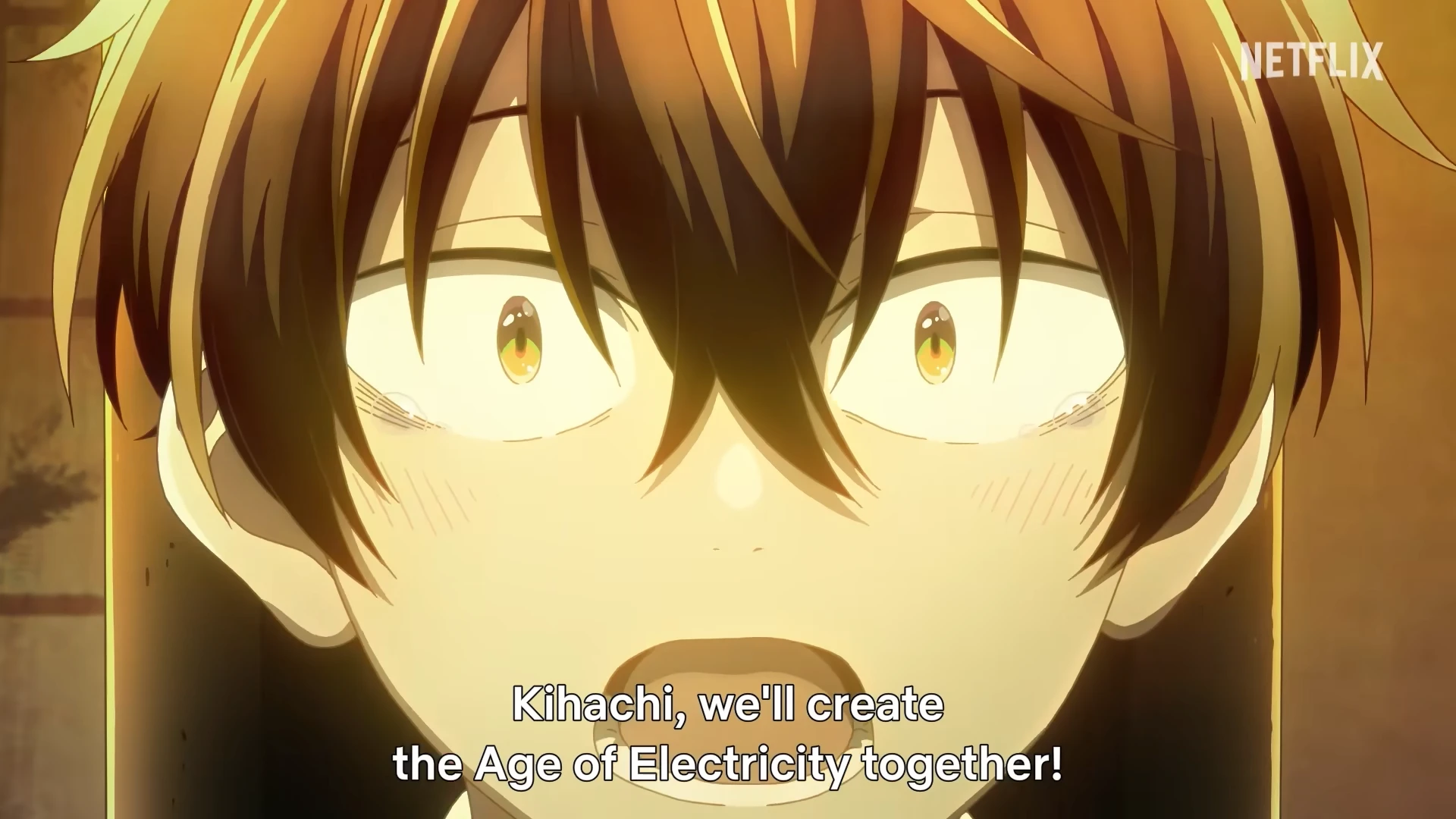
The two staff members took time to explore the story and concept, highlighting the brother duo who are central to Episode 1 and describing the alternate‑history version of Kyoto where Sparks of Tomorrow unfolds. Ota‑san reflected on early challenges, noting that “When we first started this project, one of our goals was to recognize the stereotypes and pitfalls that many people associate with similar series,” and adding that “it required a lot of time and convincing other crew members to back some of the ideas we had during pre‑production.” Senami‑san commented on Ota’s peculiarities but observed that “his personality and individuality really come through and shine in the final product.”
The conversation turned to the characters, with particular emphasis on the contrast between Kihachi Sakamoto and Inako Momokawa, who constantly appear together in the early episodes due to their divergent views on religion, technology, progress, and hope. The discussion also lingered on Yosuke, prompting plenty of laughs from the audience when the host jokingly called him his “most disliked favourite” character.
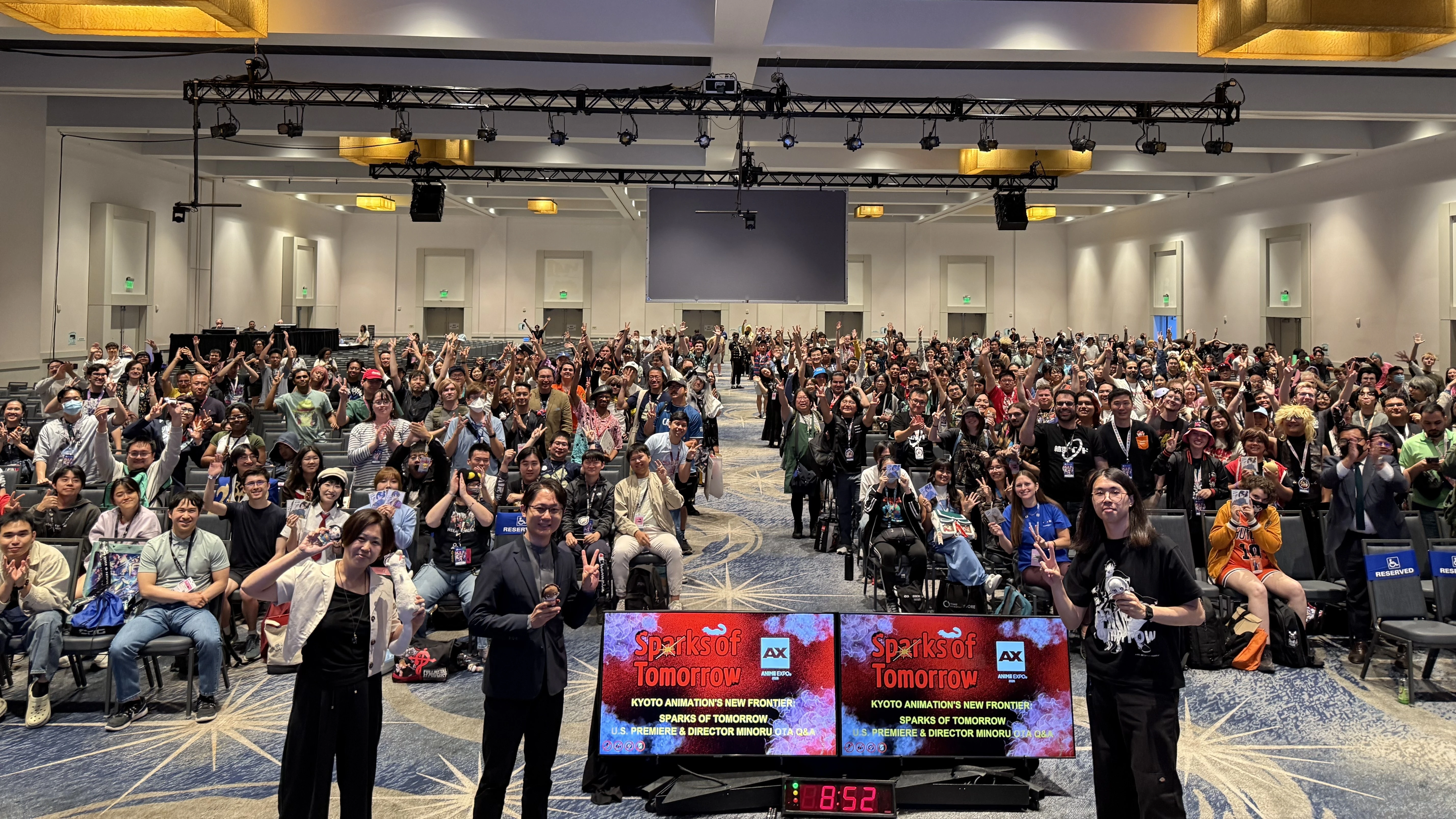
The final portion of the Q&A drew on fan questions, the first probing what should feel familiar versus unfamiliar in this world, and others inquiring about the presentation of steam‑based technology and the impressionist‑inspired art style. Ota‑san explained how he moved away from the steampunk visual rules that the staff had initially adopted, while still making sure audiences could tell the story was set in Kyoto. He noted that he “drew a lot of inspiration from impressionist art styles” and that, to achieve a distinctive look for the series’ art and backgrounds, the production was “about 80 % digital and 20 % analog.” Both panelists praised the unparalleled effort of the team, mentioning the countless hours and iterative meetings spent on bringing their vision to life, and the results clearly reflect that dedication.
Looking Forward to *Sparks of Tomorrow
While the event clearly offered many reasons to be excited based on the first two episodes, the panelists highlighted Episode 11 especially as one that viewers should get ready for. In my view, this is among Kyoto Animation’s most robust projects in recent memory and is undoubtedly one of the season’s top anime. I’m eagerly awaiting the remaining installments (the first two episodes have already been released as of this writing) and can’t wait to hear more of the soundtrack.
Sparks of Tomorrow premiered globally on Netflix on July 5, 2026, with fresh episodes rolling out each Sunday. You can catch it here.
©Hiro Yuki, Kyoto Animation/Sparks of Tomorrow Production Committee
‘.”
Baca juga Anime lainnya di Info Anime & manga terbaru.

Saya adalah penulis di thecuy.com, sebuah website yang berfokus membagikan tips keuangan, investasi, dan cara mengelola uang dengan bijak, khususnya untuk pemula yang ingin belajar dari nol.
Melalui thecuy.com, saya ingin membantu pembaca memahami dunia finansial tanpa ribet, dengan bahasa yang sederhana.