
Anime jarang conclude with happiness or satisfying resolutions. Certain series present endings that are surprising, heartbreaking, or even perplexing. This is why particular anime endings remain topics of discussion among fans for years after their broadcast. Here are the most controversial anime endings.
A controversial ending isn’t always a bad one. Some stories are intentionally left open so viewers can interpret their meaning. However, other anime are criticized for failing to meet expectations because conflict resolution feels rushed or inconsistent with earlier plot development.
Most Controversial Anime Endings
1. Death Note
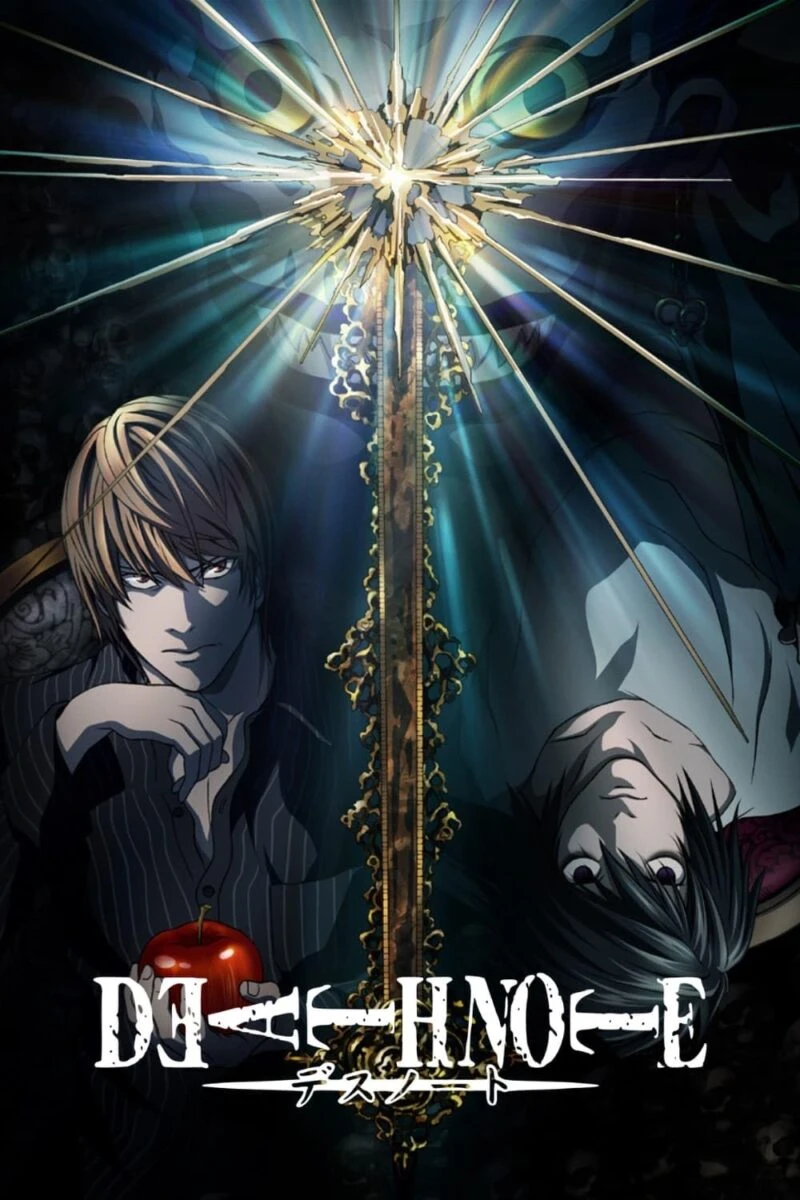
Death Note is acclaimed as a psychological thriller that juxtaposes the intellect of Light Yagami with investigators striving to halt his schemes. From the start, viewers are immersed in a strategic game rife with deception and unexpected twists.
Controversy surged as the narrative approached its finale. Following a series of intellectual clashes, Light was ultimately defeated by Near and his investigative team. Some viewers felt that this resolution lacked the intensity of Light’s earlier confrontations with L.
Nevertheless, Light’s defeat can also be interpreted as the result of his hubris and belief in his own invincibility. Ryuk’s presence in the final moments adds an ironic conclusion to Light’s odyssey as the Death Note’s wielder.
These divergent opinions keep Death Note’s ending under debate. Some see it as a fitting conclusion, while others believe the story lost its tension as it neared the finale.
2. Devilman Crybaby
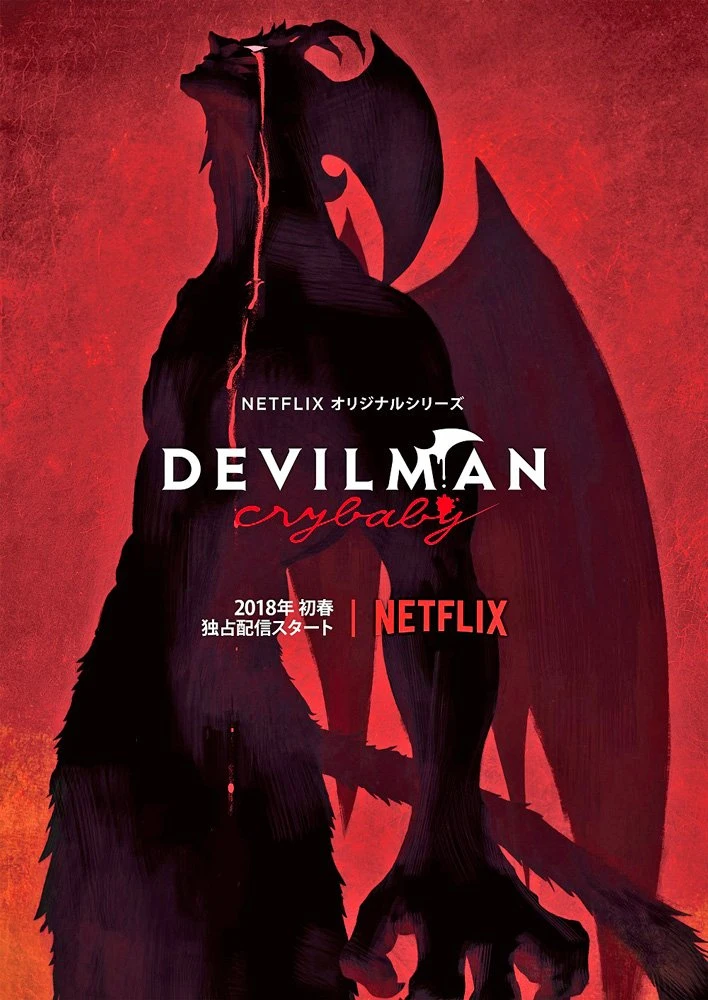
Devilman Crybaby presents a dark tale of Akira Fudo, a young man who gains demonic powers while retaining his human compassion. Akira’s fight to safeguard humanity lies at the heart of a narrative saturated with violence, terror, and ruin.
Yet the aspiration to save the world culminates in a colossal tragedy. The clash between Akira and Ryo reaches its climax as civilization collapses. Amidst the chaos, Ryo finally grasps his feelings for Akira, but this realization arrives far too late.
This conclusion leaves a profound emotional impact, as it withholds a straightforward victory for its protagonist. Instead, viewers confront irreversible loss and profound regret.
To some, the ending represents the zenith of tragedy, illustrating devastation wrought by hatred. Others find it excessively brutal, deeming the protagonist’s near‑total struggle to culminate without a gratifying resolution.
3. Serial Experiments Lain
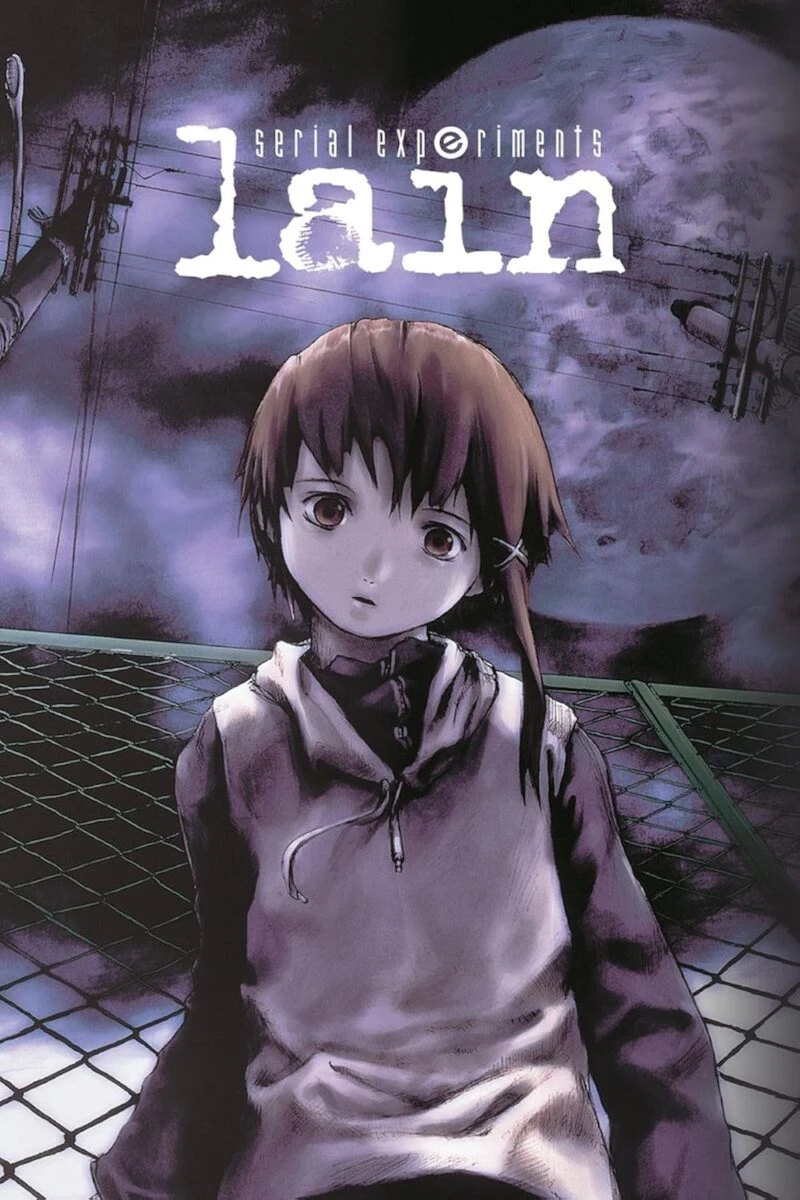
For aficionados of psychological and science‑fiction narratives, Serial Experiments Lain stands out for its unconventional approach. The series probes humanity’s relationship with the digital realm, exploring identity and the boundaries between reality and virtual existence.
As the story nears its close, Lain resolves to erase herself from people’s memories in order to rectify the situation. Nevertheless, her presence does not wholly disappear; she is still depicted as maintaining a connection to the world she has left behind.
The conclusion deliberately leaves many questions unanswered. Has Lain truly vanished, or has she discovered an alternate form of existence? Is she still a conventional human, or has she transcended ordinary comprehension?
Not all viewers are content with the symbolic finale. Some regard it as an intelligent and profound closure, while others struggle to decipher its intended message.
4. Neon Genesis Evangelion
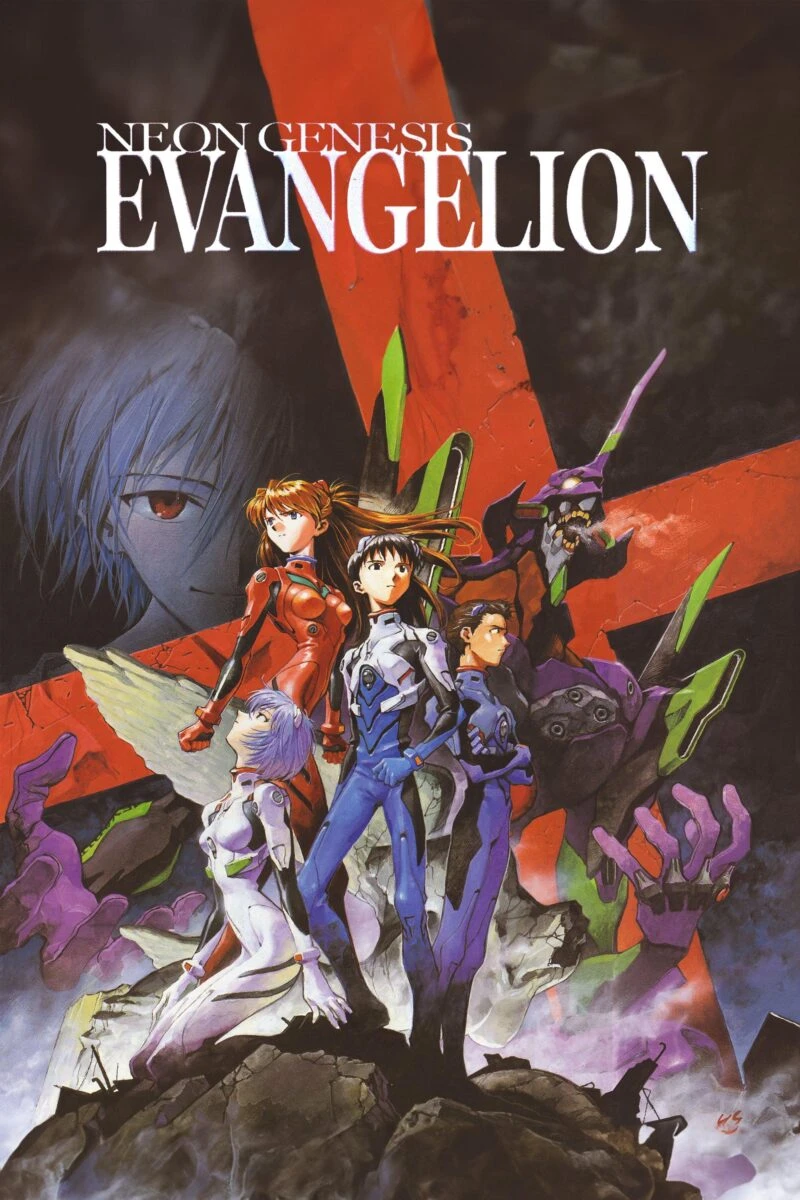
Neon Genesis Evangelion evolves from a mecha series into a complex exploration of trauma, loneliness, identity, and the human psyche. Its philosophical approach culminates in an ending that diverges sharply from typical action‑oriented series.
The final two episodes of the television version concentrate on Shinji Ikari’s internal struggles and his self‑perception. Instead of offering a conventional conflict resolution, the narrative shifts to internal dialogue and symbolic depictions of self‑acceptance.
This approach left many viewers perplexed; those seeking answers to the central conflict found themselves confronting a more abstract, character‑centric psychological experience.
Controversy intensified when The End of Evangelion presented a far more concrete—and unsettling—depiction of events. The film offered a distinct perspective on the conclusion, yet it failed to fully resolve lingering questions.
To this day, Evangelion’s ending remains a subject of analysis. Some viewers regard it as a bold artistic statement, while others find its resolution overly convoluted.
5. Steins;Gate
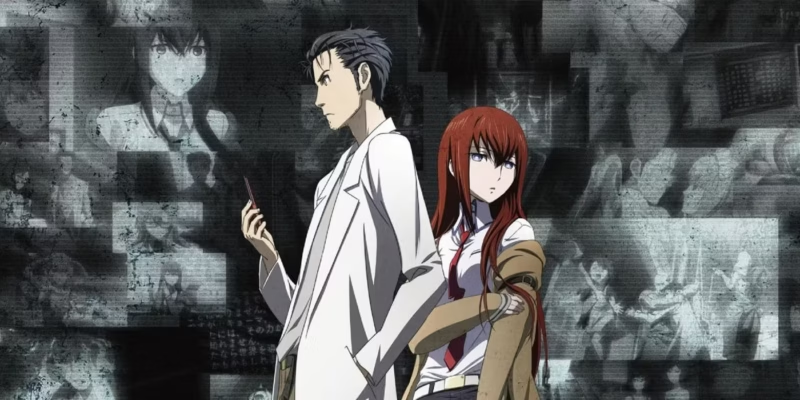
Steins;Gate merges science fiction, time travel, and emotional drama through the journey of Rintaro Okabe. Okabe’s quest to protect his loved ones yields a narrative filled with difficult choices and painful consequences.
After enduring numerous setbacks, Okabe ultimately attains a temporal pathway that enables the rescue of Mayuri and Kurisu. This conclusion offers a glimmer of hope following an emotionally draining series of events.
Nevertheless, the triumph leaves unresolved questions about inter‑timeline relationships and Okabe’s accumulated experiences. Steins;Gate 0 subsequently reveals additional facets of time travel, including failures that proved crucial to achieving the ultimate outcome.
Unlike several other entries here, Steins;Gate’s controversy does not stem purely from dissatisfaction. Its narrative complexity instead motivates viewers to formulate theories and interpret connections among various potential futures.
6. Puella Magi Madoka Magica
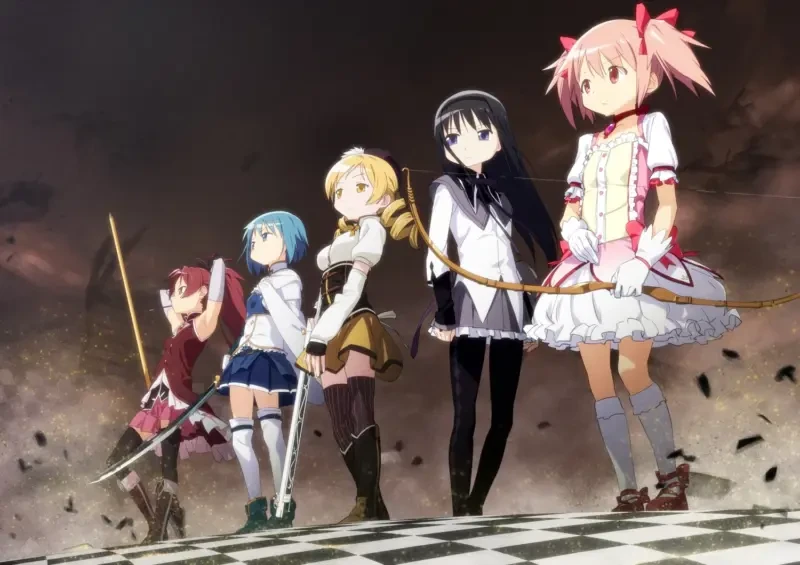
Initially, Puella Magi Madoka Magica appears to be an anime about magical girls embroiled in colorful adventures. Gradually, however, the narrative unveils the dark facets of magical power and the sacrifices demanded of its characters.
Madoka ultimately elects to relinquish her existence to spare the magical girls from a harrowing fate. Her decision reshapes the world’s rules but also ensures she is forgotten by most who once knew her.
Homura emerges as a character retaining a profound bond with Madoka. This dynamic renders the conclusion both poignant and beautiful, as the salvation of many is purchased at the cost of immense personal loss.
Yet the narrative does not conclude with the television finale. The film Puella Magi Madoka Magica the Movie: Rebellion introduces new developments that alter viewers’ perception of the relationship between Madoka and Homura.
These changes ignite debate over sacrifice, liberty, and whether a character’s actions can be justified for the sake of a loved one.
7. Attack on Titan
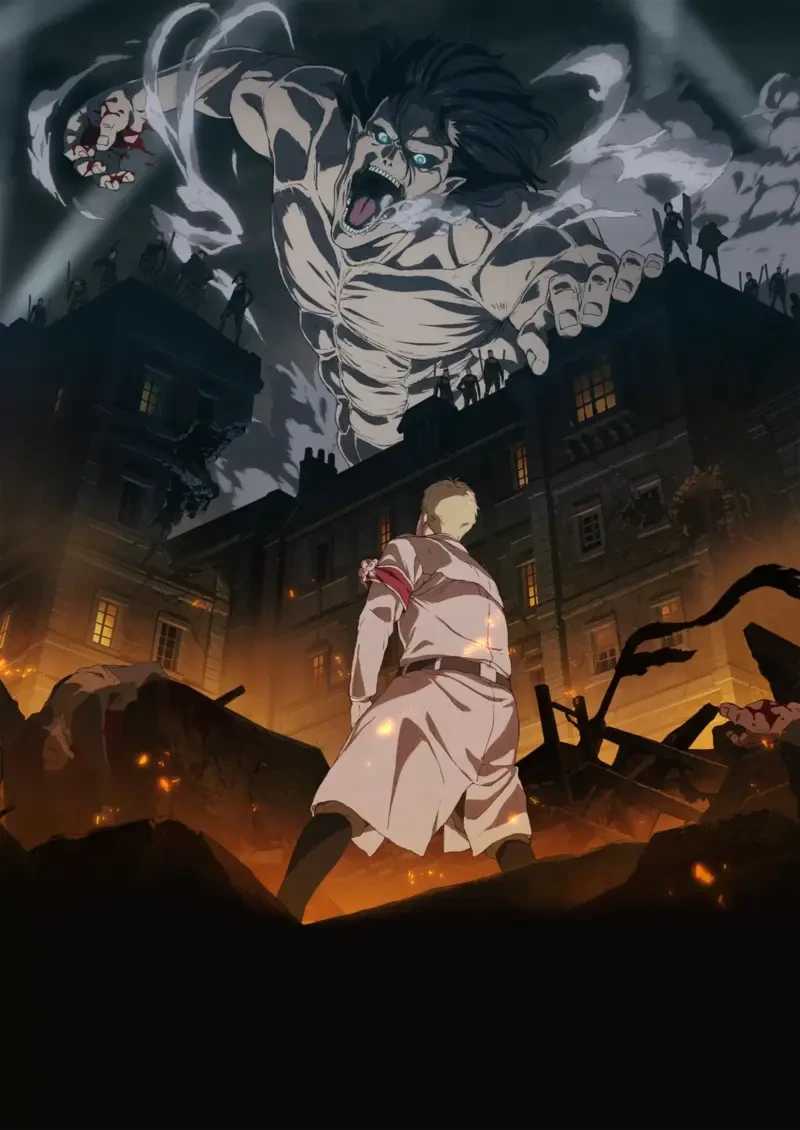
Attack on Titan constructs its narrative around mystery, warfare, and a protracted conflict among human factions holding divergent views on freedom. Eren Yeager’s evolution stands as a focal point, marked by his shifting demeanor throughout the series.
In its denouement, Eren adopts an extreme measure via the Rumbling, an event precipitating widespread devastation. His action casts him in a highly controversial light, as the quest for freedom transforms into a threat to numerous lives.
The resolution elicits varied responses. Some viewers perceive it as a tragedy illustrating the perpetuation of hatred and conflict. Others feel that character motivations and certain plot points were not sufficiently elucidated.
An epilogue depicting the potential resurgence of conflict and warfare further fuels discussion. To some, it reinforces the notion that peace cannot be assured merely by vanquishing a single adversary.
Conversely, other viewers deem the conclusion lacking in satisfaction after years of narrative investment.
8. The Melancholy of Haruhi Suzumiya
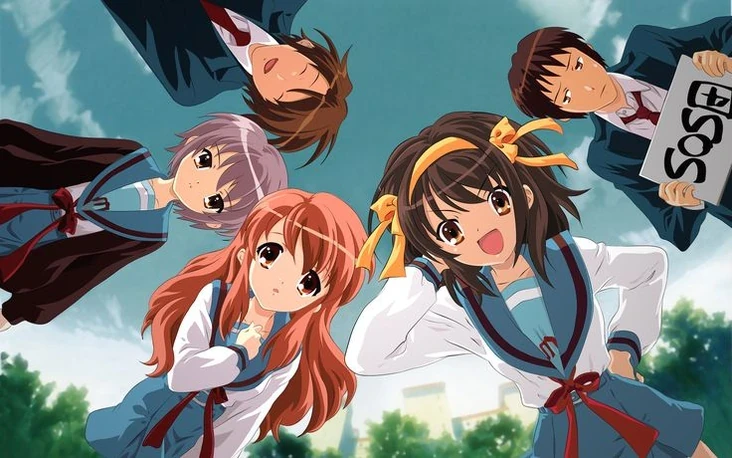
Unlike anime that feature overt tragedy, The Melancholy of Haruhi Suzumiya sparked controversy through its unconventional narrative approach. One of the most debated segments is the Endless Eight arc.
In this segment, characters undergo a repetition of time periods with nearly identical occurrences. This condition persists for several episodes, leading viewers to witness numerous scenes with minimal variation.
Conceptually, the repetition correlates with the conflict faced by the characters. However, its execution frustrated some viewers, who found themselves compelled to endure a series of seemingly repetitive events.
For enthusiasts of narrative experimentation, this approach was regarded as bold, as it immerses viewers in the monotony experienced by the characters. Conversely, those anticipating more rapid plot progression may feel that their time was squandered.
The Endless Eight controversy demonstrates that unconventional creative choices can yield both engaging experiences and divided audience opinions.
9. Fate/Zero
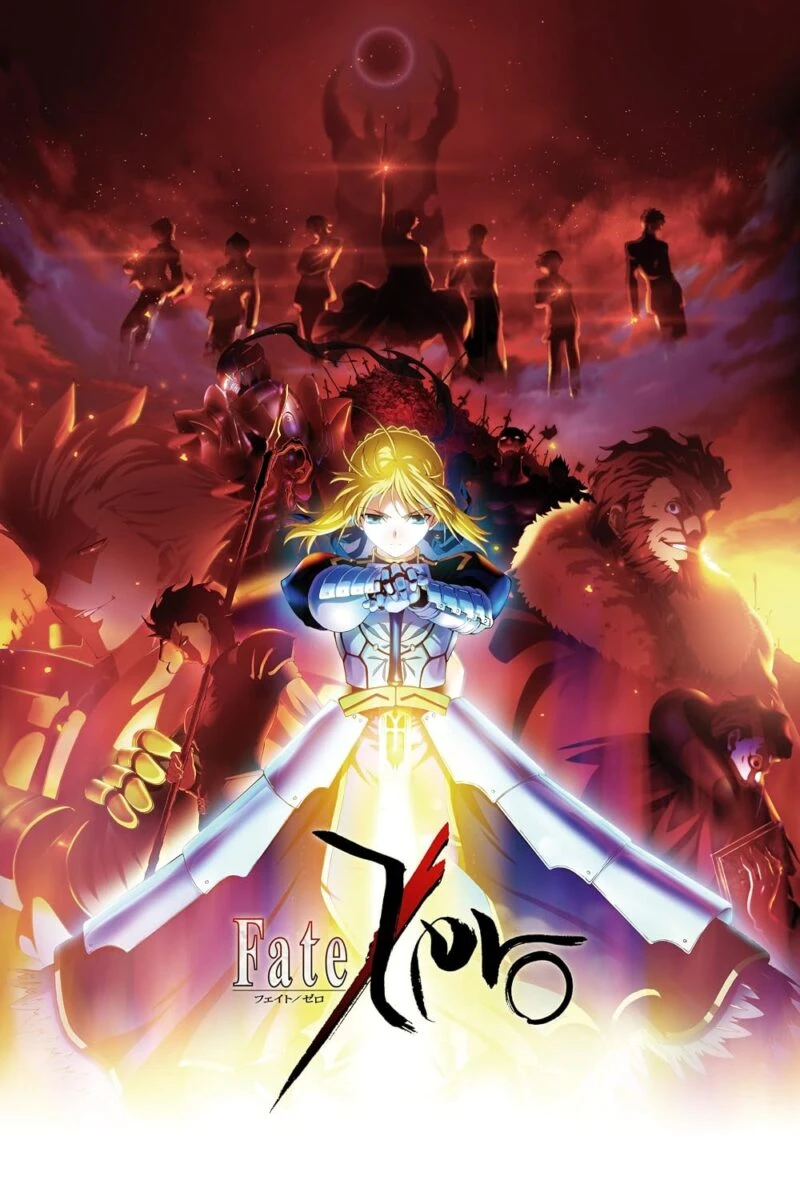
Fate/Zero portrays a battle among sorcerers and heroic spirits for the Holy Grail, an artifact believed capable of fulfilling its owner’s wishes. Beneath this conflict lies an exploration of morality, idealism, and the price exacted to achieve one’s objectives.
Kiritsugu Emiya strives to forge a better world. Yet his conviction meets a harsh reality when he discovers that the Holy Grail cannot provide the solution he envisioned.
The decision to annihilate the artifact stands as one of the story’s most tragic moments. The myriad sacrifices made ultimately yield no triumph of the kind Kiritsugu had anticipated.
Meanwhile, Saber confronts the shattering of the ideals she has championed. Together, the characters illustrate that benevolent intentions do not invariably culminate in favorable outcomes.
Fate/Zero’s ending may disappoint viewers seeking a heroic victory. Yet for those who appreciate tragic drama, its conclusion underscores the clash between idealism and reality.
10. School Days
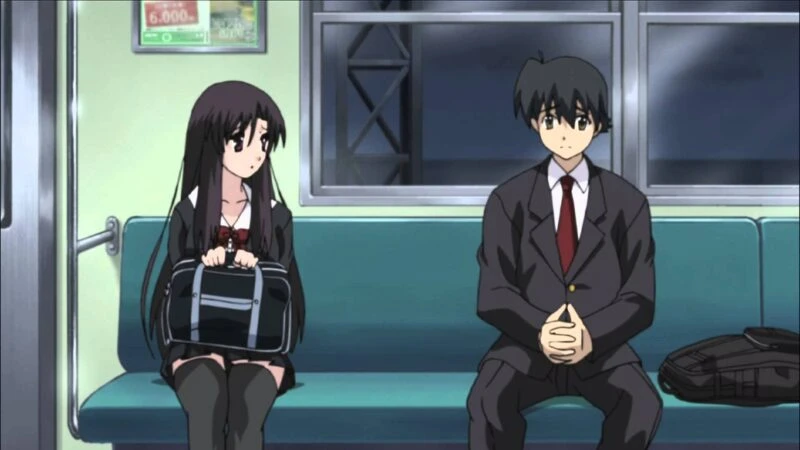
School Days exemplifies an anime that metamorphoses a romance into a psychological tragedy. Initially, the narrative centers on Makoto Itou’s relationships with several female characters. However, Makoto’s choices within these relationships precipitate escalating conflict.
Tension culminates when interpersonal dynamics devolve into jealousy and fury. The narrative subsequently concludes with a startling act of violence, far removed from the romantic expectations viewers may have formed at the series’ outset.
This finale is renowned for its extremity and its lasting, unsettling impact. Reactions to the ending range from shock to criticism of character development and conflict resolution.
School Days illustrates that anime centered on school life does not invariably present light‑hearted narratives. In this instance, character choices and their consequential actions constitute the primary source of controversy.
Jelajahi anime lain di Info Anime & manga terbaru.
Terima kasih telah mengunjungi thecuy . 🙂
