TASIKMALAYA, Thecuy.com — The new Regional Spatial Plan (RTRW) for Tasikmalaya City is aimed at enhancing safeguards for agricultural land. A fresh regulation will make constructing buildings on paddy fields significantly more challenging.
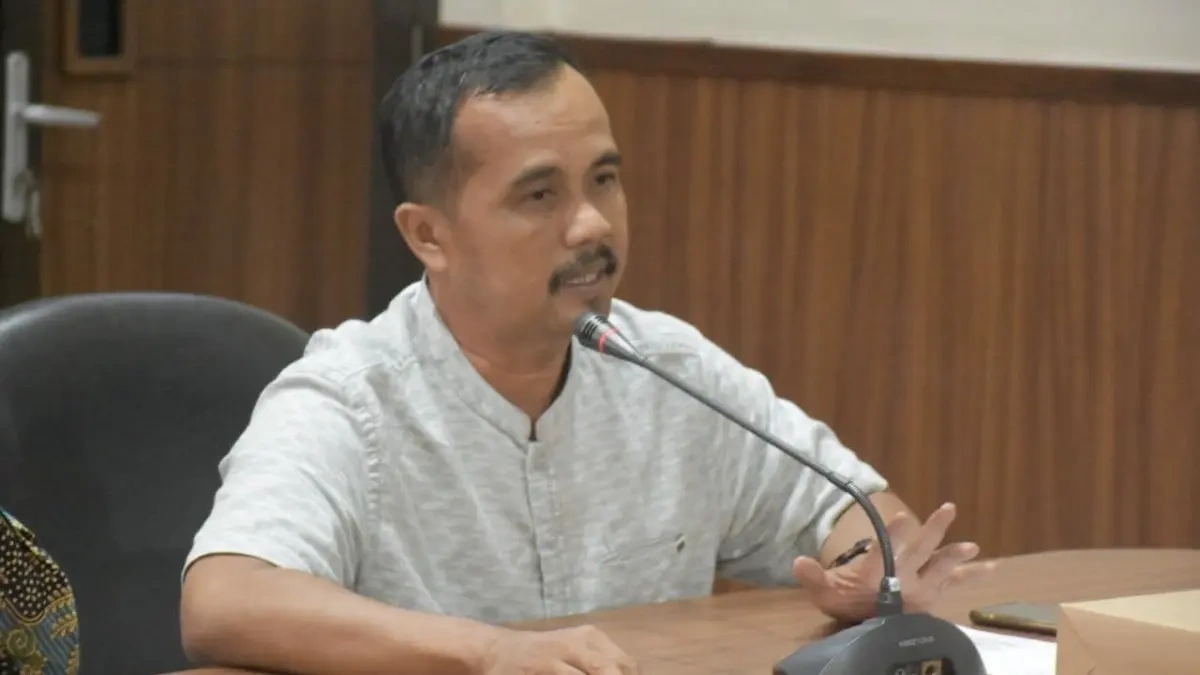
Ketua Komisi III DPRD Kota Tasikmalaya, Anang Safaat, said the new RTRW is considered more supportive of the agricultural sector’s sustainability. Safeguarding farmland is crucial amid Tasikmalaya City’s ongoing urban development.
“Currently, the RTRW clearly favors the agricultural sector. With the new plan, not only will a larger area of farmland be protected, but building construction—especially on rice fields—will become more difficult,” Anang said.
Tasikmalaya’s Beringin Looks for a Successor! The Long Journey of Nandang Suryana!
He noted that several areas in Tasikmalaya City now face limited land available for housing development, one of which is Purbaratu District.
Anang believes that, because of this, new housing projects in areas where land is scarce cannot be undertaken carelessly. Spatial planning policies are essential to ensure development continues without sacrificing productive farmland.
“For instance, in Purbaratu District, it is now impossible to have new residential land because the area’s land has been exhausted,” he said.
He explained that several areas still containing productive farmland must be preserved, including Purbaratu and Cibeureum districts, along with other regions scattered across various districts in Tasikmalaya City.
According to Anang, this protection does not imply that all district areas cannot be used for development. Instead, specific zones or percentages have been designated as land that must be retained for agricultural purposes.
“The land that must not disappear and truly needs protection starts from Purbaratu, mostly Cibeureum, and other areas. However, it is spread across all districts, with only the percentages varying,” he clarified.
The prohibition on converting productive rice fields for housing development is also linked to the Protected Rice Land (LSD) regulation. Under this rule, paddy fields within protected zones cannot be arbitrarily repurposed for construction projects.
Check out more news at the News Page
Thanks for visiting thecuy . 🙂

Saya adalah jurnalis di thecuy.com yang fokus menghadirkan berita terkini, analisis mendalam, dan informasi terpercaya seputar perkembangan dunia finansial, bisnis, teknologi, dan isu-isu terkini yang relevan bagi pembaca Indonesia.
Sebagai jurnalis, saya berkomitmen untuk:
Menyajikan berita yang akurasi dan faktanya terverifikasi.
Menulis dengan bahasa yang mudah dipahami, namun tetap menjaga integritas jurnalistik.
Menghadirkan laporan mendalam yang memberi perspektif baru bagi pembaca.
Di thecuy.com, saya tidak hanya melaporkan berita, tetapi juga berupaya menganalisis tren agar pembaca dapat memahami konteks di balik setiap peristiwa.
📌 Bidang Liputan Utama:
Berita Terbaru & ekonomi, keuangan.
Perkembangan teknologi dan inovasi digital.
Tren bisnis dan investasi.
Misi saya adalah membantu pembaca mendapatkan informasi yang cepat, akurat, dan dapat dipercaya, sehingga mereka bisa membuat keputusan yang lebih cerdas dalam kehidupan sehari-hari maupun dunia usaha.
📞 Kontak
Untuk kerja sama media atau wawancara, silakan hubungi melalui halaman Kontak thecuy.com atau email langsung ke [email protected].