
Thecuy.com – The competition among the world’s leading smartphone brands grew more intense in 2026. According to data from IDC, global smartphone shipments in Q1 2026 dropped. Nonetheless, several major brands still managed to keep their performance steady.
Contents of this article

To identify the best smartphone brand, they conduct year‑long surveys and monitor sales data from each brand. Below is the list of the top smartphone brands in 2026 worldwide that you should know.
Best Smartphone Brands Q1 2026
Entering the first quarter of 2026, competition among the top smartphone brands worldwide remained fierce even as the market slowed. According to the latest report from the International Data Corporation (IDC), global smartphone shipments fell 2.9% year‑over‑year to 293.8 million units.
1. Samsung
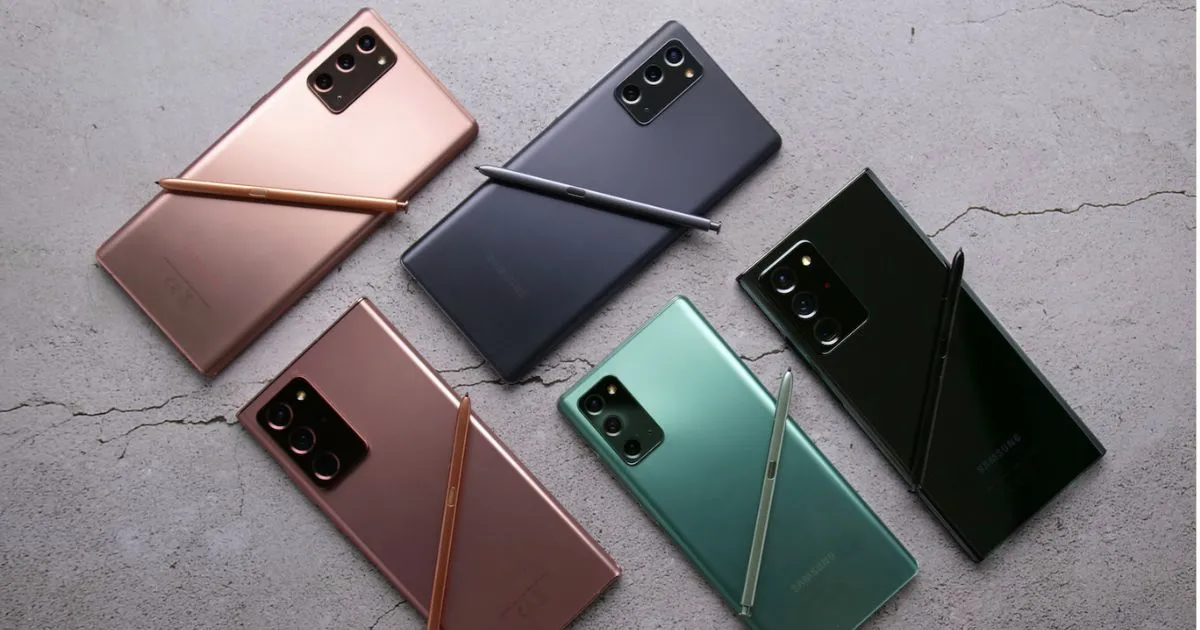
Samsung is often called the king of Android, and this was again evident in Q1 2026. According to an IDC report, Samsung reclaimed its position as the world’s largest smartphone vendor, recording a 2.9% year‑on‑year increase in shipments.
A key driver of Samsung’s growth was strong demand for the Galaxy S26 Ultra. Although its launch was delayed compared to the previous generation, the flagship received a positive response thanks to its premium specs and a price that remained competitive with its predecessor.
On the other hand, Samsung bolstered its performance by releasing the Galaxy A series earlier in the mid‑range segment. This line helped fill the sales gap during the wait for the Galaxy S26 and kept the company’s growth momentum intact.
2. Apple
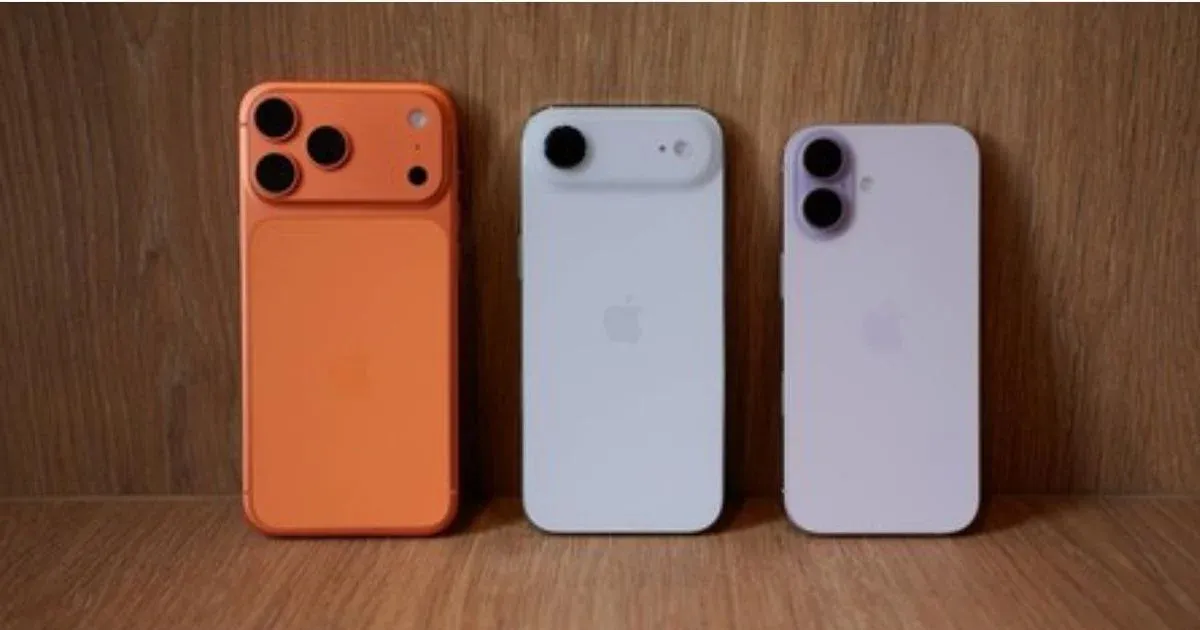
In second place is Apple. The Cupertino‑based company recorded a 4.4% year‑on‑year increase in global smartphone shipments, driven by strong performance of the iPhone 17 series, especially in the Chinese market where growth exceeded 30%.
Apple’s success stems from the appeal of its latest iPhone lineup, which features upgraded specifications. The iPhone 17 series is equipped with Apple’s newest chipset, delivering fast performance, high power efficiency, and a comfortable user experience powered by the iOS operating system.
One of Apple’s biggest advantages lies in its tightly integrated ecosystem. The iPhone can connect with Apple Watch, MacBook, AirPods, and other Apple devices, providing a seamless and practical user experience.
3. Xiaomi
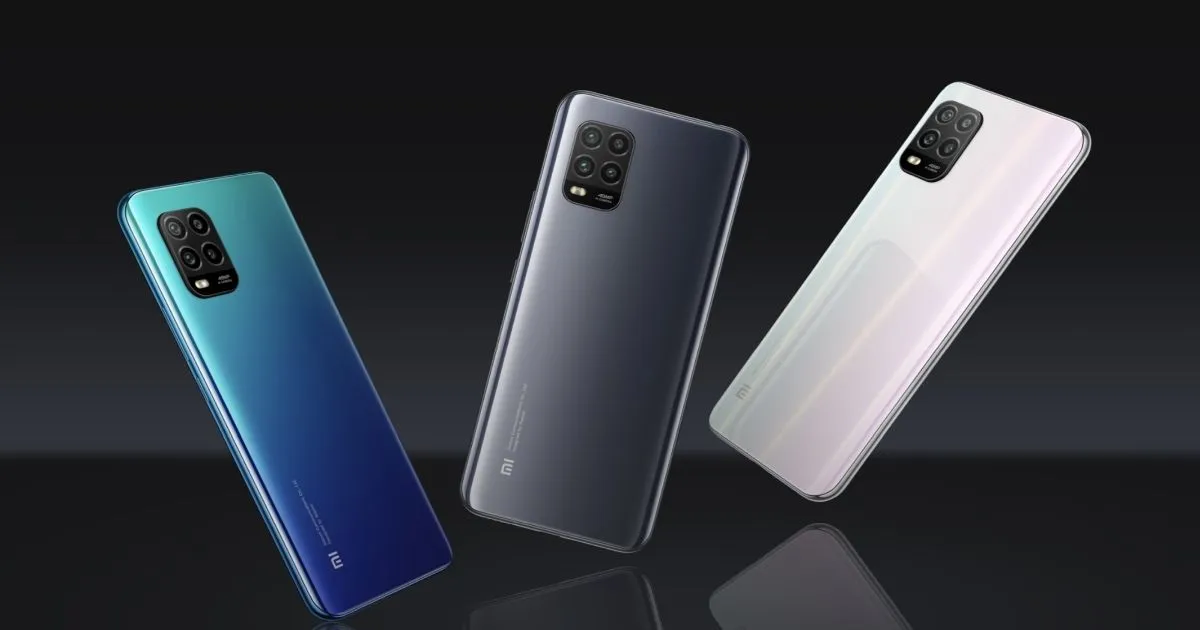
Although it recorded the largest drop in shipments among the top five smartphone vendors, Xiaomi still managed to keep its ranking. Xiaomi’s ability to maintain its position is due to its comprehensive product portfolio, covering everything from entry‑level to premium flagships.
In the premium segment, the Xiaomi 15 Ultra stands out thanks to its Leica‑co‑developed camera, a 2K AMOLED display with 120Hz refresh rate, the Snapdragon 8 Elite chipset, and HyperOS 2 based on Android 15 with advanced AI features. Meanwhile, the POCO sub‑brand remains a popular choice for users seeking high performance at an affordable price.
4. Oppo
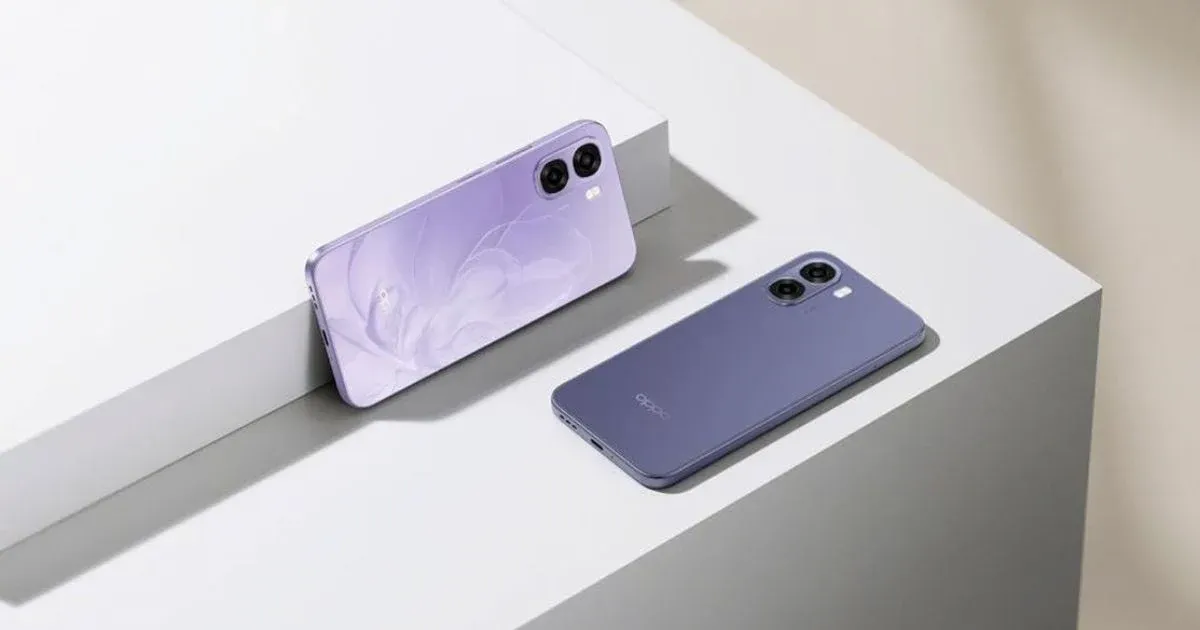
OPPO secured fourth place among the best smartphone brands in Q1 2026. This ranking was achieved after integrating its business with realme. Its stronger performance in the Chinese market helped offset slower sales in international markets.
OPPO relies on the Find X8 series as its flagship. This line of smartphones offers a camera co‑developed with Hasselblad, an AMOLED LTPO display with a 120Hz refresh rate, performance from either the MediaTek Dimensity 9400 or Snapdragon 8 Elite, and a large‑capacity battery supported by SuperVOOC fast‑charging technology.
Beyond its flagship offerings, OPPO also has the Reno Series and A Series targeting mid‑range to entry‑level segments. The ColorOS interface, which is lightweight, stable, and feature‑rich, enhances the overall user experience.
5. Vivo
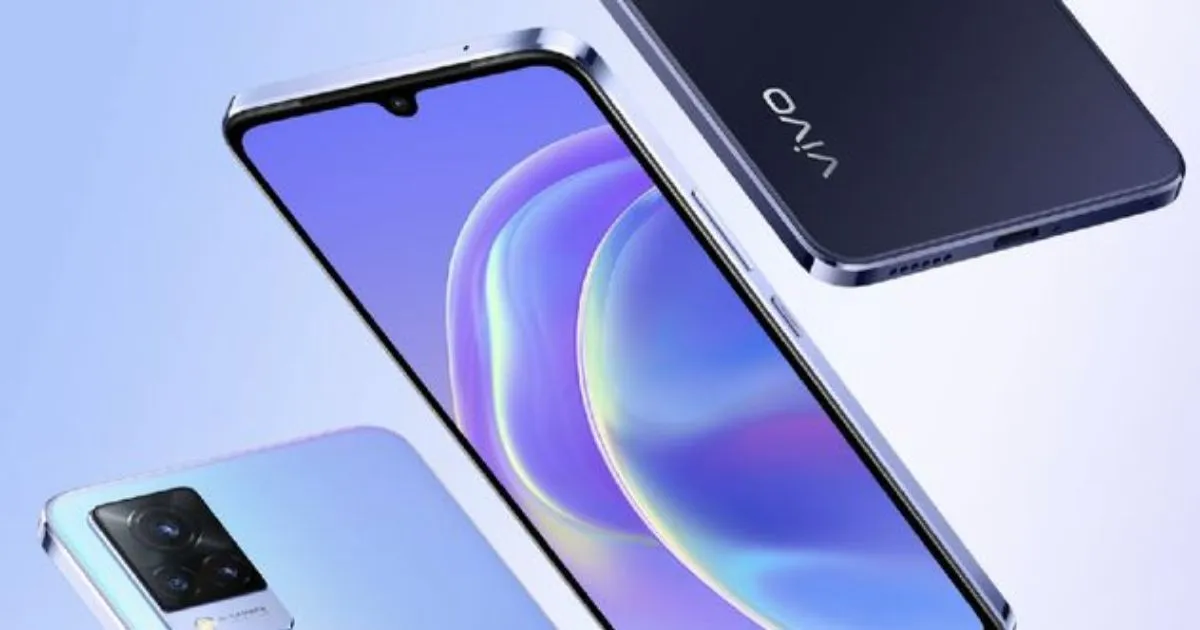
Finally, Vivo achieved this thanks to strong performance in China, its largest market, as well as maintaining its leadership position in India. The brand relies on the X200 Pro series, known for its superior photography capabilities.
The smartphone is equipped with a premium camera sensor, a dedicated image‑processing chip, and imaging technology that delivers sharp detail, accurate colors, and reliable performance across various lighting conditions. High‑end chipset support and a premium display also enable it to meet the needs of professional users and content creators.
In addition to camera performance, Vivo offers an elegant design with a slim body, high‑quality display, and an effective cooling system that keeps performance stable during extended use.
Also read: 10+ Best Huawei Smartphone Recommendations for 2026 You Should Consider
Regional Market Trends
| Company | Shipments Q1 2026 | Market Share Q1 2026 | Shipments Q1 2025 | Market Share Q1 2025 | YoY Change |
| Samsung | 62.4 | 21.2% | 60.6 | 20.0% | 2.9% |
| Apple | 61.8 | 21.0% | 59.1 | 19.5% | 4.4% |
| Xiaomi | 33.8 | 11.5% | 41.8 | 13.8% | -19.1% |
| OPPO | 30.7 | 10.5% | 34.1 | 11.3% | -9.9% |
| Vivo | 21.2 | 7.2% | 22.7 | 7.5% | -6.9% |
| Others | 84.0 | 28.6% | 84.3 | 27.8% | -0.3% |
| Total | 293.8 | 100.0% | 302.6 | 100.0% | -2.9% |
| Source: IDC Quarterly Mobile Phone Tracker, 7 May 2026 | |||||
The global smartphone market in 2026 is expected to continue facing pressure due to limited memory supply and rising component costs. According to IDC, this situation not only leads to a decline in global smartphone shipments but also drives up the Average Selling Price as many manufacturers shift focus to premium devices.
The impact of the market slowdown is not uniform across all regions. Emerging markets are expected to be the most affected, as their demand is still dominated by smartphones priced below US$200. The Middle East and Africa (MEA) region is projected to see the largest decline in shipments at 23%, followed by Central and Eastern Europe at 19%, and Asia Pacific excluding Japan and China (APeJC) at 14%.
Conversely, advanced markets are expected to be more resilient. North America is projected to see only a 6.3% decline because it is dominated by premium smartphones, with about 60% of shipments coming from devices priced above US$800.
Meanwhile, China is also expected to see a 13% drop in shipments. Although it remains the largest market for several local brands, intensifying competition and higher production costs pose significant challenges for low‑end Android manufacturers.
Also read: 15+ Best Samsung A Series Recommendations: High Performance, Affordable Price!
Market Forecast and Challenges
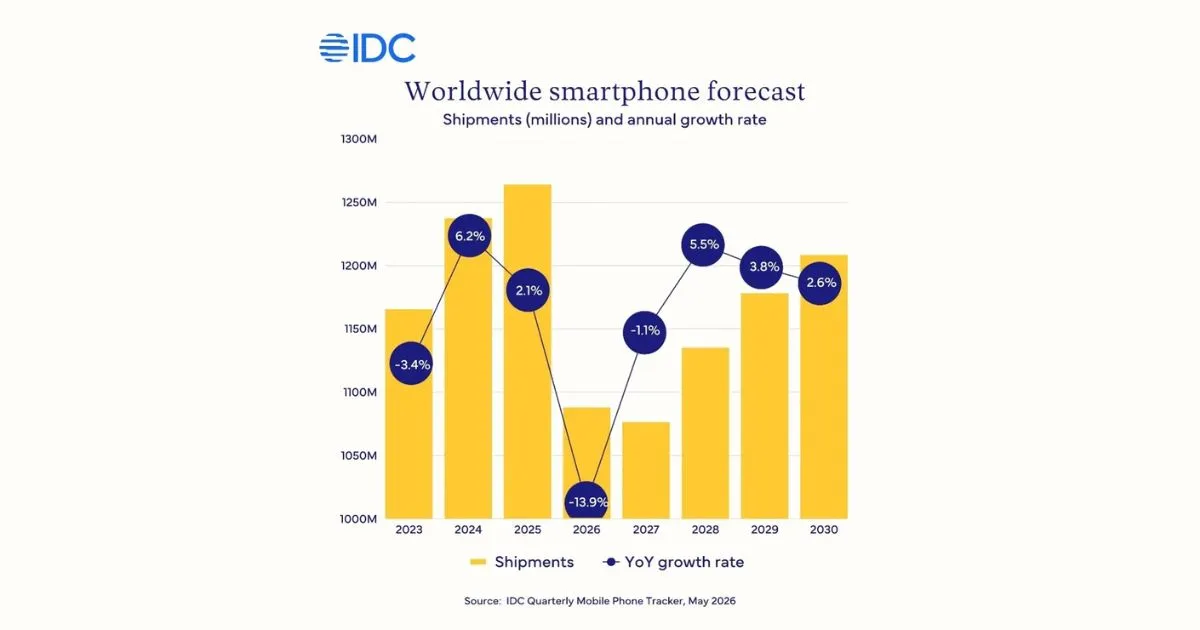
The smartphone industry’s outlook for 2026 is expected to remain challenging. According to IDC, an increasingly severe memory supply crisis continues to be the main cause of the market decline.
This situation is further aggravated by rising geopolitical tensions, including the conflict between the United States and Iran. The fallout includes higher oil prices, increased logistics costs, and rising production expenses that are weighing heavily on smartphone manufacturers worldwide.
These conditions force many vendors to adjust their business strategies. Several manufacturers are beginning to cut shipment volumes, raise selling prices, and shift focus to mid‑range and premium smartphones.
For consumers, these changes signal the end of the era of extremely cheap smartphones. For vendors, 2026 will be a decisive year to prove their ability to adapt to the new cost structure.
Also read: Xiaomi Mi 11 Ultra Design Leaked by Filipino YouTuber
Conclusion
These are the 5 best smartphone brands for 2026 worldwide and in Indonesia that you can choose from. For those looking to purchase smartphones from Xiaomi, Samsung, to Apple, you can now get them at Thecuy.com. All products we sell come with official TAM and iBox warranties. Download the Thecuy.com app here and for more information please contact our CS here.
Also read more gadget info at Latest Gadget Info
Thank you for visiting thecuy. 🙂

Saya adalah penulis di thecuy.com, sebuah website yang berfokus membagikan tips keuangan, investasi, dan cara mengelola uang dengan bijak, khususnya untuk pemula yang ingin belajar dari nol.
Melalui thecuy.com, saya ingin membantu pembaca memahami dunia finansial tanpa ribet, dengan bahasa yang sederhana.