“Nothing will work unless you do.” — Maya Angelou
Cara Menjadi Blogger Profesional Tanpa Harus Resign Dulu👤 Jurnalis Berita • 19/10/2026
It’s still break time, but you’ve already started looking for a job while thinking, “Can I really make a living from the skills I have?”
That’s a natural thought, especially when the paycheck is tight and your abilities don’t yet seem to lead to a clear source of income.

Self‑confidence grows not because you’re certain everything will go smoothly, but because you have small evidence that your abilities can be used to create value.
So we don’t need to immediately imagine resigning, launching a huge business, or amassing thousands of followers.
We start with a more immediate question: which skills do you master, who do you help, and how can that help be compensated?
Kenapa Percaya Diri Perlu Bukti, Bukan Sekedar Semangat
Imagine Rani, a 31‑year‑old administrative staff who is often asked to tidy up team reports because she is meticulous when handling spreadsheets.
At first, she thought of it as just an extra duty, not a skill that could have value outside the office.
When a friend who owned a small shop struggled with inventory tracking, Rani created a simple system for a fee of Rp300 thousand.
The project was small, but the result became tangible proof that someone else was helped and was willing to pay for her ability.
You might think, “But one small project doesn’t yet mean I can make a living from my skill.”
True, one project isn’t enough to replace a salary, but it’s enough to test whether your ability can solve a real problem.
Like what psychologist Carol Dweck often emphasizes in discussions about a growth mindset, ability can be developed through effort and the learning process, not considered as a fixed talent from the start.
In practice, that process needs to be accompanied by records of results, feedback, and the courage to offer help in a targeted way.
Cara Hidup dari Skill Dimulai dengan Peta yang Jelas

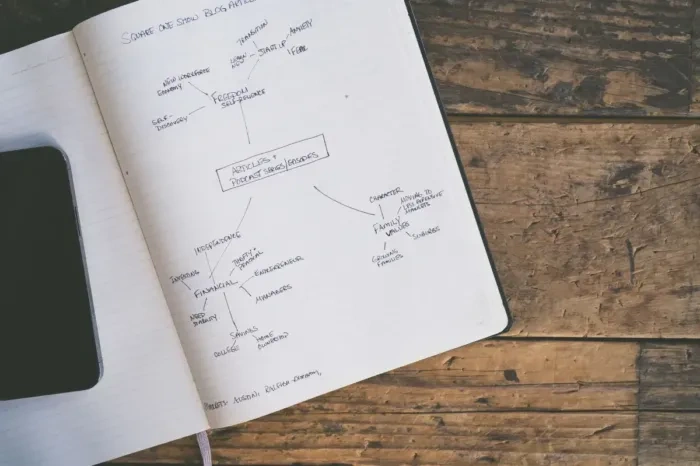
Skill Maps can help you see abilities in a more structured way, especially when work experience feels mixed and you’re unsure where to start.
Think of this map as a tool for putting together a picture, not a machine that automatically promises money or jobs.
You still need to fill that map with experience, work results, interests, and the kinds of problems you can help solve.
For example, you write that you can schedule projects, create presentations, edit writing, or read sales data.
That list isn’t yet a clear offer, but it already provides material for finding recurring capability patterns.
If you feel, “I don’t have a specific skill,” try remembering the tasks that are most often entrusted to you.
Are you often asked to explain complex things, tidy up processes, calm down customers, or make something finish faster?
Experience like that can become an early clue, not a reason to immediately set a high price.
You can get to know Skill Maps in Mastery as one way to start mapping abilities and their development direction.
Pisahkan Skill, Bukti Kerja, dan Masalah yang Dibantu

You don’t need to guess for yourself whether a particular skill is needed, because a simple conversation can provide more useful clues than assumptions.
Choose five people close to the type of work or business you want to help, then ask what job most consumes their time.
Don’t start with a long pitch, just listen to their stories and look for problems that come up repeatedly.
For example, three food business owners might all struggle to respond to customer questions during busy hours.
From there, you could offer a limited trial like compiling a set of ready‑made answers to frequently asked questions.
“If they say they’re interested, that means I definitely have a market, right?” Not necessarily, because interest in a conversation is different from the decision to pay.
The next test is offering a small project with a clear scope, time, and price.
You could start with a trial rate, for example Rp250 thousand for tidying up five message templates, then ask for feedback after the work is done.
Don’t promise sales increases you can’t control, but explain the results that are within your control.
Mulai dari Proyek Kecil Sebelum Mengubah Karier
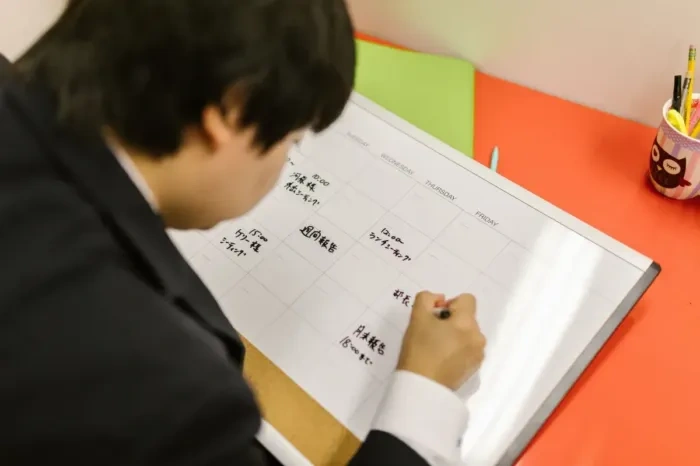
For those of you who are still employed, side projects can become a place for practice without having to make a big decision hastily.
For example, set aside four hours per week for a month to work on one small project for one client.
At the end of the month, check three things: whether the work was needed, whether you can complete it well, and whether the payment is worth your time.
If the project is completed in eight hours and paid Rp800 thousand, the gross income is equivalent to Rp100 thousand per hour before costs, taxes, and communication time.
That number may not be enough to live on, but it’s more useful than just feeling that your skill “might be sellable”.
Also note tiring work, repeated revisions, and questions that customers keep asking.
That information can help you improve work packages, gradually raise prices, or choose a more suitable customer segment.
When you see small steps like this not as proof that you should become a freelancer, but as a safe way to make career decisions with more complete information.
If the initial test results are average, that’s not a verdict that your skill is worthless, maybe the offer or the person you’re talking to isn’t right.
Bangun Kepercayaan Lewat Proses yang Konsisten
Self‑confidence often rises when you collect evidence consistently, not when you wait until you feel completely ready.
Store work that can be displayed, ask permission before sharing client data, and collect testimonials that explain real changes.
If a client says, “This report saves me two hours every week,” record that sentence with their permission.
Specific testimonials are more convincing than general praise like “the work is good”, because potential customers can understand the benefits.
Schedule an evaluation at the end of each month to review the number of projects, income, work time, and feedback you receive.
If income is not yet stable, maintain your primary source of income while improving offers and looking for demand patterns.
You can have big targets, but big decisions are safer made after there is sufficient evidence, not because you’re tired of the current job.
Hehehe, sometimes one clear testimonial feels more reassuring than a hundred times repeating “I can definitely do it” in front of the mirror.
Naikkan Nilai Tanpa Mengaku Bisa Semuanya
After working on a few projects, you might find certain parts that are most often sought and most suited to your abilities.
A clearer focus helps potential customers understand why they should choose you, and helps you repeat processes that have proven results.
For example, instead of offering “any kind of digital service”, you could mention that you help small shops tidy up weekly inventory records.
An offer like that makes work boundaries easier to agree upon, including the number of revisions, time taken, and the form of the final result.
You can also increase value by improving workflow, creating simple guidelines, or combining several complementary abilities.
However, don’t add services just because you’re afraid of losing customers if you’re not yet able to maintain quality.
If a request is outside your abilities, explain honestly or recommend someone more suitable.
A reputation that grows from clear boundaries is usually stronger than big promises that are hard to fulfill.
Jadikan Skill Maps Titik Awal, Bukan Jalan Pintas
Ability maps are most beneficial when you use them to choose the next experiment, not just to collect a list of skills.
After mapping abilities, choose one skill that already has evidence, one group of people who might need it, and one small problem to test.
Set a simple measure, for example having two potential customer conversations in two weeks or completing one paid project in a month.
If the first step is successful, continue by improving results and asking for feedback, then set a new realistic target.
If not yet successful, find out which part is not right: the ability, how to explain benefits, the customer group, price, or the time of the offer.
You don’t need to prove your entire future today, just collect one piece of evidence that makes the next step feel more sensible.
If you’re currently wondering whether your abilities can become a source of income, open Skill Maps and use the map results to determine the smallest experiment you can start.
Then ask yourself: after seeing abilities, evidence, and other people’s needs more clearly, what is one bold step you can try this week?
Free to read. If it helped, you can buy me a coffee.
Terima kasih, ya
Even the smallest support makes the next article appear faster.
You may leave a comment after sending support, so I can say thank you. ^^
Like this article? Get the next one via email
One email per week. Contains notes I don’t put on the blog.
No spam. Unsubscribe anytime.
Thank you! Check your inbox (also the Promotions/Spam folder).
Baca juga Berita lainnya di News Page thanks for visiting thecuy. 🙂

Saya adalah jurnalis di thecuy.com yang fokus menghadirkan berita terkini, analisis mendalam, dan informasi terpercaya seputar perkembangan dunia finansial, bisnis, teknologi, dan isu-isu terkini yang relevan bagi pembaca Indonesia.
Sebagai jurnalis, saya berkomitmen untuk:
Menyajikan berita yang akurasi dan faktanya terverifikasi.
Menulis dengan bahasa yang mudah dipahami, namun tetap menjaga integritas jurnalistik.
Menghadirkan laporan mendalam yang memberi perspektif baru bagi pembaca.
Di thecuy.com, saya tidak hanya melaporkan berita, tetapi juga berupaya menganalisis tren agar pembaca dapat memahami konteks di balik setiap peristiwa.
📌 Bidang Liputan Utama:
Berita Terbaru & ekonomi, keuangan.
Perkembangan teknologi dan inovasi digital.
Tren bisnis dan investasi.
Misi saya adalah membantu pembaca mendapatkan informasi yang cepat, akurat, dan dapat dipercaya, sehingga mereka bisa membuat keputusan yang lebih cerdas dalam kehidupan sehari-hari maupun dunia usaha.
📞 Kontak
Untuk kerja sama media atau wawancara, silakan hubungi melalui halaman Kontak thecuy.com atau email langsung ke [email protected].